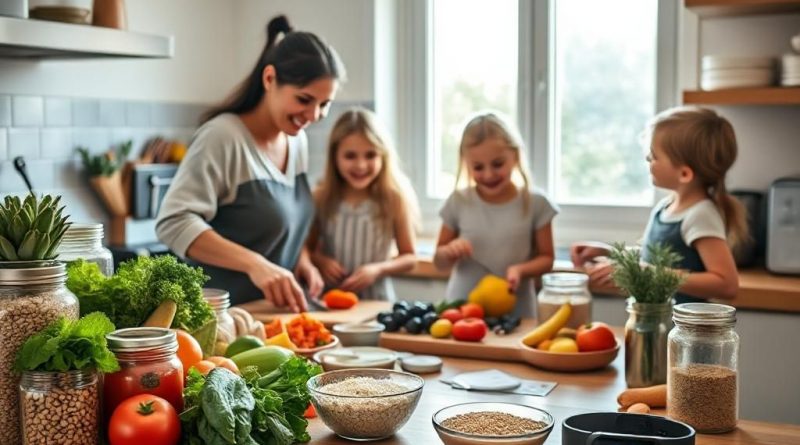
Transform Your Kitchen for Effortless Meal Prep Magic.
How to Organize Your Kitchen for Efficient Meal Prep: A Step-by-Step Guide
Are you tired of feeling frazzled in the kitchen, searching for pans and ingredients instead of enjoying the cooking process? You’re not alone. A well-organized kitchen can make meal prep a breeze, turning it from a chore into a rewarding and efficient task. With Americans spending an average of 37 minutes a day on food preparation, improving your kitchen organization can save you precious hours every week. In this comprehensive guide, we will uncover the key steps to transform your kitchen into a meal prep haven, allowing you to focus more on cooking and less on searching.
Why Kitchen Organization Matters for Meal Prep Success
An organized kitchen is the backbone of successful meal preparation. When you streamline your space, you’ll notice several benefits:
- Time Savings: Easily locate your ingredients and tools, which minimizes wasted time.
- Less Food Waste: With better visibility, you’re more likely to use ingredients before they go bad.
- Reduced Stress: Eliminating clutter leads to a calmer cooking environment, making meal prep enjoyable rather than overwhelming.
- Healthier Choices: When healthy food options are organized and visible, you’re more likely to grab nutritious snacks and ingredients.
According to professional organizer Susie from Systems By Susie, "The most efficient meal preppers don’t have the biggest kitchens—they have the most intentional setups." This means that organizing your kitchen to reflect your cooking habits is crucial for achieving meal prep success.
Step 1: Assess and Declutter Your Current Kitchen Setup
Before making any changes, it’s essential to evaluate what’s currently in your kitchen. A successful meal prep experience starts with a decluttering phase tailored to your cooking needs.
The Meal Prep-Focused Declutter
-
Clear Out Your Meal Prep Areas: Start with countertops, cabinets, and your refrigerator.
-
Sort Items Into Four Categories:
- Keep: Essential items you use regularly for meal prep.
- Donate: Duplicate or rarely used items in good condition that someone else might find useful.
- Toss: Expired food, chipped containers, or broken tools.
- Relocate: Items that belong in other areas of your home.
-
Be Ruthless with Containers: If you have mismatched lids or haven’t used something in three months, let it go. According to research by The Container Store, the average kitchen holds 47% more containers than necessary.
-
Deep Clean: After decluttering, take the time to clean your surfaces, cabinets, and drawers to create a fresh start for the new organization system.
Pro Tip: Schedule this decluttering session on a Friday, a designated "Catch-All Day" according to Clean Mama, to prepare your kitchen for the upcoming week.
Step 2: Create Functional Kitchen Zones for Meal Prep
The key to efficient kitchen organization lies in setting up specific zones that cater to different stages of meal prepping.
Essential Zones for Meal Prep Success
Preparation Zone (Your Command Center)
- Location: Central countertop space where you do most of your prep.
- Store Here: Cutting boards, knives, mixing bowls, and measuring tools.
- Organization Tip: Use a magnetic strip to hang your most-used knives for quicker access.
- Bonus: Keep a small compost bin within reach to simplify cleanup.
Cooking Zone
- Location: Near your stove/oven.
- Store Here: Pots, pans, cooking utensils, spices, and oils.
- Organization Tip: Install hanging racks for easy access to frequently used pots and pans.
- Bonus: Keep a sturdy step stool readily available for hard-to-reach items.
Storage Zone
- Location: Pantry and refrigerator sections.
- Store Here: Meal prep containers, dry goods, and prepped meal components.
- Organization Tip: Group containers by size and type to maximize storage efficiency.
- Bonus: Allocate one shelf solely for "this week's meal prep" items for easy access.
Cleaning Zone
- Location: Near your sink.
- Store Here: Dish soap, sponges, dish towels, and trash/recycling bins.
- Organization Tip: Use under-sink organizers for cleaning supplies to keep everything neat.
- Bonus: Keep a small drying rack near your prep area for quick washing of tools.
Consider your natural workflow as you establish these zones. Every time you cook, observe how you move through your kitchen and arrange your zones accordingly for maximum efficacy.
Step 3: Invest in the Right Meal Prep Containers and Storage Solutions
Your choice of containers can significantly impact your meal prep effectiveness. Selecting the right types will help in organizing your ingredients and meals throughout the week.
Top Container Types for Meal Preppers
Divided Glass Containers
- Ideal For: Storing complete meals with multiple components.
- Benefits: Durable, microwave-safe, freezer-safe, and prevent unwanted food mixing.
- Recommendations: Look for brands like Prep Naturals or consider budget-friendly options like Starfrit.
Clear Plastic Containers (Rubbermaid Brilliance Style)
- Ideal For: Storing individual meal components and pantry essentials.
- Benefits: Clear visibility of contents, snap-on lids, and suitability for both freezer and dishwasher.
- Pro Tip: Buy multi-packs from bulk retailers like Costco for a cost-effective solution.
Mason Jars and Specialty Containers
- Ideal For: Salads, smoothies, soups, and meal prep for the freezer.
- Benefits: Versatile, stackable, and excellent for portion control.
- Pro Tip: Opt for no-leak plastic lids to avoid rust on metal products.
Souper Cube Trays
- Ideal For: Freezing individual portions of soups, sauces, and purees.
- Benefits: Flexible silicone designs make it easy to remove frozen portions.
- Pro Tip: Great for freezing homemade broth or herb-infused oils in small quantities.
When selecting your containers, prioritize:
- Safety for microwave and freezer use
- Stackability for efficient storage
- Lid security to prevent leaks
- Visibility to easily check your supplies
Step 4: Organize Your Refrigerator for Meal Prep Success
A well-organized refrigerator is another crucial component of efficient meal prep. Establishing a clear layout can make meal assembly quick and easy.
The Meal Prepper's Refrigerator Layout
Top Shelf: Ready-to-Eat Meals
- Store: Your prepared meal containers here.
- Organization Tip: Position this week’s meals at the front while moving next week’s toward the back.
- Pro Move: Label containers with meal names and dates for easy identification.
Middle Shelf: Meal Components
- Store: Prepped vegetables, proteins, and cooked grains.
- Organization Tip: Use clear containers to visualize what's inside and prevent spoilage.
- Pro Move: Arrange ingredients by meal type to simplify assembly later on.
Bottom Shelf: Raw Proteins
- Store: Uncooked meats and seafood.
- Organization Tip: Ideally, keep these in their original packaging or in leak-proof containers.
- Pro Move: Place them on a tray for easy cleanup in case of drips.
Crisper Drawers: Fresh Produce
- Store: Whole fruits and vegetables.
- Organization Tip: Arrange high-use items at the front for quick access.
- Pro Move: Have one drawer for high-moisture produce (like leafy greens) and another for low-moisture items (like carrots).
Door: Beverages and Condiments
- Store: Dressings, sauces, and drinks.
- Organization Tip: Keep frequently used items at eye level for easy grab-and-go access.
- Pro Move: Allocate space for small snack items like yogurt cups to encourage healthy snacking.
As Clean Mama emphasizes, grouping similar items together and designating specific zones significantly reduces decision fatigue when it’s time to assemble your meals.
Step 5: Streamline Your Pantry and Dry Goods Storage
An organized pantry can simplify the process of pulling together meals and ensures you always know what you have on hand.
Pantry Organization That Works for Meal Preppers
Airtight Canisters
- Use For: Grains, pasta, beans, nuts, and other staples.
- Benefits: Keeps your items fresh, prevents pest issues, and creates a tidy appearance.
- Pro Tip: Square containers maximize space better than round ones.
Turntables (Lazy Susans)
- Use For: Spices, sauces, and smaller jars.
- Benefits: Ensures easy visibility and access without the need to search at the back.
- Pro Tip: Keep often-used items positioned at the front.
Tiered Risers
- Use For: Canned goods and spice bottles.
- Benefits: Increases visibility of back shelves, making it easy to find what you need.
- Pro Tip: Position taller items at the back while placing shorter ones in the front.
Labeling System
- Use For: Everything! Especially in shared kitchens.
- Benefits: Creates consistency in finding and replacing items.
- Pro Tip: Invest in a label maker for a professional touch, or use chalkboard labels for flexibility.
According to experts from The Container Store, "A custom pantry design is ideal, but even small spaces can thrive with key items: airtight canisters, turntables, tiered risers, and a clear labeling system."
In this initial portion of our guide, we have covered foundational elements to effectively organize your kitchen for efficient meal prep. The subsequent section will continue with strategies for meal planning systems and methods to sustain this organization long-term.
Step 6: Create a Meal Planning System That Works
An organized kitchen is only as effective as the meal planning system it supports. Establishing a structured approach to meal planning can significantly enhance your efficiency in the kitchen.
The Kitchen Binder Method
– **Create Sections For**: This all-in-one binder can hold your meal plans, recipes, grocery lists, and inventory tracking.
– **Benefits**: Everything is in one place, helping you avoid distractions from digital devices.
– **Pro Tip**: Include a two-page spread of common measurements and equivalents to save time when cooking.
Digital Planning Tools
– **Options**: Consider apps like Plan to Eat, Mealime, or Paprika.
– **Benefits**: These tools can automatically generate grocery lists, allow recipe scaling, and filter by dietary preferences.
– **Pro Tip**: Sync your chosen app with your calendar to plan for busier days when quick meals are a necessity.
Weekly Planning Ritual
– **When**: Fridays make an excellent choice as “Catch-All Day” for planning your meals.
– **Steps to Follow**:
- Review existing ingredients in your pantry, fridge, and freezer to prevent purchasing duplicates.
- Plan meals around items that need to be used to minimize waste.
- Select 2-3 proteins to cook in bulk.
- Incorporate 2 featured vegetables that can be utilized throughout the week.
- Create a comprehensive grocery list based on your plan.
– Expert advice from Systems By Susie reiterates the importance of syncing your meal plans with your calendar: “If Wednesday is your busiest day, plan for a freezer meal or something that requires minimal preparation.”
Step 7: Maintain Your Organized Kitchen for Long-Term Success
The ultimate goal of kitchen organization is sustainability. Here’s how to maintain your efficient cooking space in the long run.
Daily Habits for Kitchen Organization
– **The 5-Minute Reset**: Spend a few minutes each evening returning items to their correct zones and tidying up.
– **Container Discipline**: Actively wash and return all containers after use to avoid clutter build-up.
– **Wipe as You Go**: Keep cleaning supplies handy and clean surfaces during cooking to prevent grease and gunk from accumulating.
Weekly Maintenance Routine
1. **Friday Planning Session**: Take time to review what worked or didn’t throughout the week.
2. **Prep Zone Refresh**: Wipe down surfaces and reorganize tools.
3. **Container Check**: Ensure all containers are washed and returned to their designated spots.
4. **Inventory Update**: Write down what’s running low for next week’s shopping list.
According to professional organizer Suzette Gebhardt, “Regularly assess your kitchen's organization needs as they change. Your system should evolve along with your meal prep habits.”
Common Meal Prep Kitchen Organization Mistakes to Avoid
Even the most organized kitchens can fall victim to common pitfalls. Being aware of these can prevent setbacks in your meal prep efficiency.
Mistake 1: Buying Too Many Containers Before Planning
– **Solution**: First, declutter and observe how your workflow demands specific containers. Only purchase what you truly need.
Mistake 2: Ignoring Your Natural Workflow
– **Solution**: Spend a week observing your most common kitchen tasks. Make arrangements to keep frequently used items within easy reach at waist to eye level.
Mistake 3: Forgetting to Utilize Vertical Space
– **Solution**: Implement shelves, hooks, and hanging racks to take advantage of unused wall space.
Mistake 4: Not Accounting for Different Household Members
– **Solution**: Create zones that everyone who uses the kitchen finds intuitive and efficient. A family zone can be effective for commonly used items.
Mistake 5: Overcomplicating the System
– **Solution**: Start simple; if you can’t describe your system in 30 seconds, it’s likely too complicated. Serve your organization goals without making them overly complex.
Frequently Asked Questions About Kitchen Organization for Meal Prep
Q: How much time should I dedicate to kitchen organization for meal prep?
A: Start with a commitment of 2-3 hours for the initial setup. After that, plan for 15-30 minutes weekly to maintain your system. The time you invest will pay itself back through hours saved in meal prep.
Q: What’s the most cost-effective way to organize a kitchen for meal prep?
A: Begin by utilizing what you already have; your priority should be decluttering and reorganizing before spending money on new containers. Dollar stores often feature affordable clear containers perfect for pantry organization.
Q: How often should I reorganize my meal prep kitchen?
A: Schedule a full reorganization every 3-6 months or whenever your cooking habits change significantly. Weekly maintenance will help keep everything running smoothly in the meantime.
Q: What are the must-have tools for a meal prep kitchen?
A: Besides containers, make sure you have a quality chef’s knife, two cutting boards (one for proteins and one for produce), measuring cups and spoons, and a reliable food scale. These essentials streamline the actual cooking process.
Transform Your Kitchen, Transform Your Meal Prep
The journey to an organized kitchen tailored for efficient meal prep doesn't require perfection—it demands a focused approach that aligns with your cooking routine. By implementing these strategies, you can create a system that genuinely simplifies your meal prep process. A well-planned organization not only saves time but also empowers you to embrace healthier eating habits and enjoy the therapeutic act of cooking.
Take action this week by dedicating 30 minutes to structure your meal planning system. Whether through the form of a kitchen binder, an app, or simply an organized weekly calendar, start integrating these essential elements into your routine. By doing so, you will pave the way for less stress, reduced food waste, and more joyful moments spent in the kitchen.