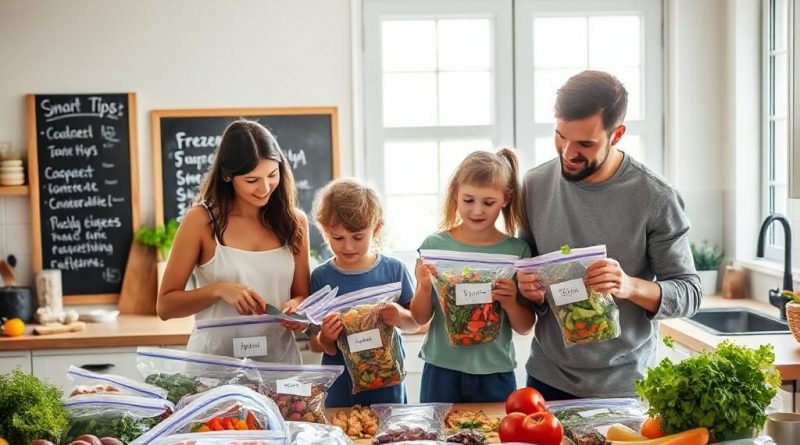
Smart tips for freezing and reheating meals like a pro.
Smart Tips for Freezing and Reheating Meals: Your Complete Guide to Perfect Meal Prep
Have you ever reached for a frozen meal only to be greeted by a mystery dinner that tastes like a freezer? You’re not alone! Mastering the art of freezing and reheating meals can save you time and money, all while ensuring your homemade meals retain their deliciousness. This guide will provide you with insights and practical tips on how to effectively freeze and reheat meals so that they taste just as good as when they were freshly made.
In an era where meal prepping has become a saving grace for busy individuals and families, understanding the techniques involved in freezing and reheating meals is essential. Not only can it help reduce food waste, but it also allows you to enjoy homemade meals any day of the week without the fuss of daily cooking.
Why Proper Freezing and Reheating Techniques Matter
Benefits of Meal Prepping with Freezer Storage
Freezing meals properly is more than just convenience; it preserves the nutritional quality and flavors of your food. When done right, meal prepping with freezer storage can:
- Save time: Have ready-to-eat meals that make weeknight dinners a breeze.
- Reduce food waste: Use leftovers or bulk-cooked meals wisely without having to eat them all at once.
- Maintain food quality: Proper techniques help lock in flavor and nutrition, ensuring your meals taste great even after weeks in the freezer.
Common Problems People Face
Despite the advantages, many encounter challenges such as:
- Freezer burn: That unsightly frost that ruins the taste and texture of your food.
- Texture changes: Foods may become mushy or grainy after thawing.
- Food safety risks: Not following best practices can lead to spoilage or unsafe foods.
Understanding the science behind freezing and why certain methods matter can greatly enhance your meal prep game.
The Science Behind Freezing Food Properly
Food freezing isn’t just about lowering the temperature—it’s a science. Here’s what happens:
- Water Crystallization: When food freezes, water inside it forms ice crystals. Larger ice crystals can break down cell walls, resulting in a mushy texture once thawed. Rapid freezing helps minimize crystal size, preserving the food's original structure.
- Oxidation: Air exposure leads to oxidation, which can spoil fats and affect taste. This is why airtight packaging is essential.
- Temperature Fluctuations: Each time the freezer door opens, the temperature rises, risking a partial thaw and refreeze cycle, producing larger ice crystals that further degrade food quality.
Essential Tools and Containers for Freezing Meals
The right containers can make all the difference in preserving meal quality. Here’s what you need:
Best Containers for Freezing Meals
-
Rigid Containers:
- Glass (BPA-free): Perfect for reheating but ensure they’re tempered to withstand temperature changes.
- Plastic Containers: Choose freezer-safe options—look for containers labeled with the snowflake symbol.
- Silicone Containers: Flexible and stackable; ideal for portion control.
-
Flexible Options:
- Freezer Bags: Thicker zip-top bags are great for minimal air exposure.
- Vacuum-Sealed Bags: Provide maximum protection against air and moisture for long-term storage.
- Reusable Silicone Bags: Excellent for eco-conscious meal preppers.
Pro Tip: After freezing broths or sauces in trays, transfer the cubes to freezer bags to maximize storage space.
Avoid Using
- Regular plastic containers that aren't freezer-safe, which can crack.
- Thin storage bags that won’t protect against freezer burn.
- Metal containers, which can react with acidic foods.
- Glass containers not designed for freezing.
Step-by-Step Guide to Freezing Your Meal Prep
To achieve the best results, follow this step-by-step guide:
Step 1: Cool Food Properly Before Freezing
One critical mistake is placing hot food directly into the freezer. This can raise the freezer temperature and cause ice crystals to form. Here’s how to cool food correctly:
- Allow it to cool at room temperature for about 20-30 minutes (however, this should not exceed 2 hours for safety).
- Place shallow containers on a cooling rack to promote airflow.
- After cooling, transfer to the refrigerator until the food is completely cold.
Dr. Sarah Johnson, a food safety expert, notes, “Cooling food is essential to prevent condensation. Water from steam can freeze and create ice crystals that spoil food quality.”
Step 2: Portion Strategically
Freezing meals in individual servings helps balance convenience with waste management:
- This method allows for easier thawing, meaning you only defrost what you need.
- For soups, use 1-2 cup portions. For casseroles, portion according to your serving size preferences.
Step 3: Package for Maximum Protection
- Remove Excess Air: For freezer bags, press out the air before sealing. For rigid containers, fill only to about ½ inch from the top to allow for expansion.
- Double Wrap: For longer storage of over 2 months, consider wrapping containers in plastic wrap first.
- Label Thoroughly: Always note the contents and date when freezing to ensure freshness.
Pro Technique: Flatten liquids in bags for faster freezing and easier stacking.
Step 4: Freeze Properly
- Lay bags flat on a tray or metal pan to freeze quickly.
- Avoid stacking until they are solidly frozen.
- Once frozen, store bags vertically in the freezer for easy access, much like books on a shelf.
How to Reheat Frozen Meals Like a Pro
Choosing the correct reheating method significantly impacts the final result of your meal. Here are varied methods to consider based on the type of food:
Oven Method: Best for Even Heating
Preheat your oven to 300-350°F and reheat in an oven-safe dish covered with foil. Add a little liquid to keep the meal from drying out—a splash of broth or sauce helps. Heating typically takes 20-30 minutes, depending on portion size, and aim for an internal temperature of 165°F for food safety.
Stovetop Method: Best for Stir-Fries and Soups
This method works wonderfully for soups and stir-fries. Heat a pan over medium-low, adding your frozen food along with a splash of liquid, and cover to speed up thawing. Stir occasionally to ensure even heating.
Air Fryer Method: Best for Crispy Textures
For items like breakfast burritos or egg dishes, preheat your air fryer to 325-350°F. This method crisps the exterior while ensuring the food is warmed through.
Microwave Method: Best for Speed
If you're short on time, the microwave is your best ally. Place the food in a microwave-safe dish, cover it loosely, and heat on 50% power in 2-minute intervals. Be sure to stir or rotate the dish between intervals to ensure even cooking.
Steaming Method: Best for Delicate Foods
For proteins like fish or rice-based dishes, steaming keeps food moist. Bring water to a simmer in a pot, place food in a steamer basket, and cover for 5–10 minutes.
Food-Specific Freezing and Reheating Tips
Different foods require tailored approaches for optimal freezing and reheating:
Soups and Stews
- Freeze: Use flat freezer bags for space optimization.
- Reheat: On the stovetop until simmering.
Meats and Proteins
- Portion and vacuum seal for best quality. Always thaw in the refrigerator to maintain food safety.
Rice and Grains
- Store in small portions. When reheating, sprinkle with water for moisture.
Casseroles and Baked Dishes
- Reheat in the oven at 350°F. Cover with foil initially to retain moisture.
Bread and Baked Goods
- Wrap tightly before freezing. Reheat in the oven for a few minutes to restore freshness.
With these strategies up your sleeve, your meal prep journey is set for success. Stay tuned for the second part of this guide, where we will address common mistakes, offer a helpful FAQ section, and discuss food safety practices.
Common Mistakes to Avoid
Even seasoned meal preppers can run into pitfalls that undermine their efforts. Here are some common mistakes to watch out for, along with tips on how to avoid them:
Freezing Hot Food Directly
Placing hot food directly into the freezer can dramatically raise the freezer’s internal temperature. This not only puts other foods at risk but also creates condensation, which leads to ice crystals that degrade the quality of your meal.
**Tip:** Always let food cool for 20-30 minutes at room temperature, then refrigerate until cold before freezing.
Using Improper Containers
Using regular plastic containers or non-freezer-safe bags can result in cracking and air exposure, leading to freezer burn.
**Tip:** Stick to freezer-safe containers for reliable performance. Look for containers that are specifically labeled for freezing.
Thawing at Room Temperature
Defrosting food at room temperature can promote bacterial growth. This is especially dangerous for perishable items.
**Tip:** Always thaw food in the refrigerator overnight, by submerging it in cold water (changing the water every 30 minutes), or in the microwave if cooking immediately.
Refreezing Thawed Food
Refreezing food that has been thawed can compromise its texture and safety.
**Tip:** Only refreeze foods if they’ve been cooked after thawing.
Reheating Too Quickly
Reheating food on high settings in the microwave can lead to uneven warming, leaving hot spots and cold centers.
**Tip:** Use lower heat settings and pause to stir or rotate food. Always check the temperature in multiple spots to ensure even heating, aiming for a safe internal temperature of 165°F.
Frequently Asked Questions About Freezing and Reheating Meals
How long can I keep frozen meals?
Most cooked meals maintain their best quality for 2-6 months when frozen. Soups and stews can last 4-6 months, while meats typically last 2-3 months. Be sure to label everything with dates!
Can I freeze meals with dairy?
Yes, but be aware that dairy may change in texture. Cream-based sauces could separate. As a general rule, consider adding dairy ingredients after reheating whenever possible.
Why does my frozen food get ice crystals?
Ice crystals form due to improper sealing or fluctuations in freezer temperature. Ensure you use high-quality airtight containers and maintain a consistent freezer temperature at or below 0°F.
Do I need to thaw before reheating?
Not necessarily! Foods like soups and sauces can be reheated straight from the freezer, while larger portions, such as casseroles, benefit from being thawed overnight to ensure even heating.
How do I prevent freezer burn?
Use airtight containers, eliminate excess air from bags, and ensure your freezer remains consistently cold (0°F or lower). Regularly check your freezer for temperature consistency.
The Final Word
Mastering freezing and reheating meals requires a blend of proper techniques and the right mindset. It's not just about convenience; it’s about preserving quality, flavor, and nutritional value. Armed with the smart tips from this guide, you can enhance your meal prep experience significantly.
Imagine a week where meal planning is no longer a chore but a delightful endeavor. Picture enjoying robust, flavorful soups, perfectly cooked proteins, and elegantly reheated casseroles—all while saving time and minimizing food waste.
As you venture into freezing your meals, remember to take it step by step. Start by freezing one or two meals this week using the techniques detailed above, and experiment to discover what works best for you. Your future self will appreciate the foresight, especially during those busy nights when a homemade meal is only a microwave away.
For more inspiration and practical advice, don’t forget to check out our other articles, like those on easy meal prep ideas that make weeknight dinners a breeze! Whether you're a meal prep novice or a pro, take your meals from freezer to table with confidence and enjoy the satisfaction that comes with each delicious bite.