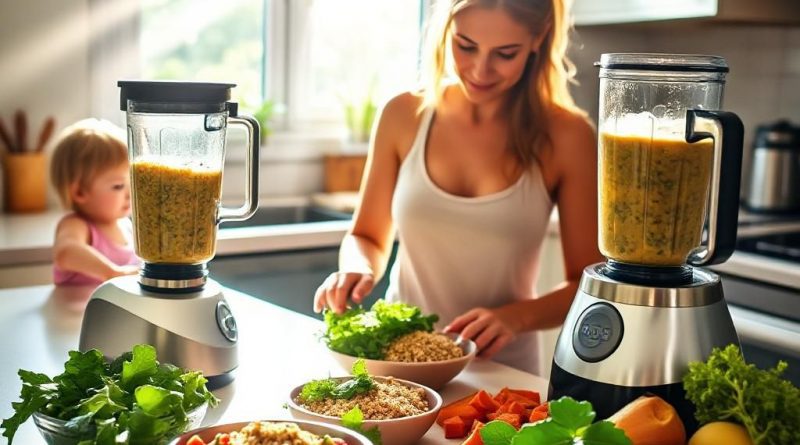
Simple meals to supercharge muscle recovery postpartum.
Simple Meals to Boost Muscle Recovery Postpartum: Your Practical Guide to Healing Through Food
If you're a new mom, you might find yourself in a whirlwind of emotions, changes, and tasks that come with caring for a newborn. Amidst the seemingly endless cycle of diaper changes and late-night feedings, you may feel like your own nutritional needs have taken a back seat. But here’s the thing: nourishing your body is essential, especially during the postpartum period when your muscles and tissues are in recovery mode after childbirth. The right, simple meals can help expedite that process, boost your energy levels, and improve your overall well-being.
This comprehensive guide is here to support you with practical meal ideas specifically designed to optimize muscle recovery post-delivery. Let’s explore how nutrition plays a pivotal role in postpartum healing, what nutrients are particularly important, and how you can incorporate simple, delicious meals into your busy schedule.
Why Nutrition Matters for Postpartum Muscle Recovery
The physical demands of pregnancy and childbirth are immense, so it's crucial to understand why what you eat matters now more than ever. Your body has gone through a significant transformation that requires time and proper nutrition to heal effectively. Think of your body as a construction site that requires the right materials for repairs to be effective; without proper resources, recoveries may be prolonged or incomplete.
-
Physiological Changes: After childbirth, hormonal fluctuations, muscle strain, and physical trauma (from either vaginal delivery or C-section) all occur. Your body needs quality nutrition to repair these injuries and promote healing.
-
Tissue Repair: Specific nutrients are fundamental for tissue repair. Protein serves as the building block for healing tissues damaged during delivery. Meanwhile, iron helps replenish the blood supply that may have been affected by childbirth, and calcium is essential for maintaining bone health, particularly if you're breastfeeding.
-
Mental Well-being: Nutrition doesn't only play a physical role; it impacts your mental health too. Well-nourished bodies can contribute to better mood regulation, increased energy levels, and improved overall mental clarity.
Research indicates that new mothers who focus on consuming nutrient-dense foods experience more stable energy levels, faster recovery, and an overall improved sense of well-being. Prioritizing nutrition isn't about "bouncing back" to your pre-baby body—it's about fostering long-term health and wellness for both you and your little one.
Key Nutrients for Postpartum Muscle Recovery
To support your body’s recovery at this crucial time, certain nutrients should be at the forefront of your postpartum meal plan. Here’s a breakdown of the key nutrients you'll need:
Protein: The Building Block of Recovery
Protein should be your go-to nutrient for postpartum recovery. It’s essential for rebuilding tissues damaged during childbirth, supports your immune system, and helps you maintain energy levels.
-
Recommended Intake: Aim for around 70-100 grams of protein per day, especially if you are breastfeeding. This translates to roughly 25-30 grams per meal.
-
Quality Sources: Opt for both animal-based sources like lean meats, poultry, and dairy, as well as plant-based options such as beans, lentils, tofu, and quinoa.
Iron: Replenishing What Was Lost
Iron is critical, especially after the blood loss that can accompany childbirth. Insufficient iron can lead to fatigue and a host of other issues, mimicking or exacerbating postpartum depression symptoms.
-
Recommended Intake: For most women postpartum, the recommended daily intake is around 9-10 mg, but you may require more if you lost significant blood during delivery.
-
Top Sources: Include foods like lean red meat, leafy greens, lentils, and fortified cereals. Pairing these with vitamin C-rich foods such as bell peppers or citrus fruits can significantly enhance iron absorption.
Calcium: Supporting Bone Health
If you are breastfeeding, it’s essential to sustain adequate calcium levels, as lactation draws calcium from your bones.
-
Recommended Intake: You should aim for approximately 1,000-1,300 mg of calcium daily during lactation.
-
Rich Sources: Dairy products like yogurt and cheese, fortified alternatives, and leafy greens provide excellent sources of calcium.
Healthy Fats: Reducing Inflammation
Healthy fats, especially those rich in omega-3 fatty acids, are vital for reducing inflammation, supporting brain health, and enhancing your body's ability to absorb essential vitamins.
- Recommended Sources: Incorporate foods like avocados, chia seeds, flaxseeds, and fatty fish like salmon.
Hydration: The Foundation of Recovery
Staying hydrated is crucial, particularly if you’re breastfeeding. Hydration helps you maintain energy levels, reduces fatigue, and supports healing.
- Daily Goal: A good rule of thumb is to drink half your body weight (in pounds) in ounces of water every day, adjusting as needed based on activity and breastfeeding.
Simple Meal Planning Strategies for Busy New Moms
Now that you understand the nutrition essential for postpartum muscle recovery, let’s look at how you can integrate this into your daily routine. Meal planning might sound daunting, but there are straightforward strategies that can simplify the process.
The 15-Minute Power Prep
Finding time to prepare nutritious meals as a new mom can be challenging. To maximize efficiency, spend just 15 minutes each day preparing:
- Hard-boiled eggs (great for snacks or breakfast)
- Chopped vegetables (ready to toss into any meal)
- Single-serving snacks (like nuts or yogurt)
- Cooked quinoa or rice (which can serve as a base for many dishes)
The "Plate Formula" for Effortless Meals
Creating balanced meals doesn’t have to be complex. Just remember this straightforward ratio:
- ½ plate: Colorful veggies (spinach, carrots, bell peppers)
- ¼ plate: Protein source (chicken, tofu, beans)
- ¼ plate: Whole grains or starchy veggies (brown rice, sweet potatoes)
This method helps ensure you’re getting the right balance of nutrients without overcomplicating meal prep.
Stock Your Recovery Pantry
Maintain a well-stocked pantry with postpartum-friendly staples. Keeping these items on hand will allow you to throw together nutritious meals quickly:
- Canned beans and lentils (low-sodium options)
- Frozen vegetables and fruits
- Canned fish (like salmon or tuna)
- Whole grain tortillas or bread
- Nut butters for quick snacks
- Dairy or plant-based yogurt
- Quick-cook grains like quinoa or couscous
Batch Cooking for the Win
Cook larger portions of meals so that you have leftovers for lunch or dinner the next day. Many dishes actually taste better when reheated, as the flavors meld together.
7 Simple, Nutrient-Packed Meals for Postpartum Recovery
Here are some easy, nutrient-dense meal ideas that you can whip up with minimal time and effort:
1. One-Pan Salmon & Veggie Bake (25 minutes)
Ingredients:
- 2 salmon fillets
- 2 cups mixed vegetables (like broccoli and zucchini)
- 1 tablespoon olive oil
- Lemon slices
- Garlic powder, salt, and pepper to taste
Instructions:
- Preheat the oven to 400°F.
- Toss vegetables with olive oil, salt, and pepper.
- Arrange salmon on a baking sheet, surrounded by vegetables.
- Bake for 15-20 minutes or until the salmon flakes easily with a fork.
2. Speedy Chicken & Avocado Wrap (10 minutes)
Ingredients:
- 1 whole grain tortilla
- ½ cup shredded rotisserie chicken
- ½ mashed avocado
- Handful of spinach
- Sliced tomato
- Hummus (optional)
Instructions:
- Spread avocado over tortilla.
- Layer chicken, spinach, and tomato on top.
- Roll up tightly and cut in half.
3. Overnight Protein Oats (5 minutes prep)
Ingredients:
- ½ cup rolled oats
- 1 scoop protein powder (or 2 tablespoons chia seeds)
- 1 cup milk (dairy or fortified plant-based)
- ½ cup Greek yogurt
- Berries for topping
Instructions:
- Mix oats, protein powder, milk, and yogurt in a jar.
- Refrigerate overnight.
- Top with berries before serving.
4. 15-Minute Lentil Soup
Ingredients:
- 1 can lentils, drained
- 4 cups vegetable broth
- 1 can diced tomatoes
- 1 cup fresh spinach
- 1 teaspoon cumin
- 1 tablespoon olive oil
Instructions:
- Heat olive oil in a pot and add broth and tomatoes.
- Bring to a simmer, then stir in lentils and cumin.
- Cook for about 10 minutes, adding spinach until wilted.
5. Tofu Scramble with Veggies (12 minutes)
Ingredients:
- 1 block firm tofu, crumbled
- 1 cup mixed vegetables (like onion and bell pepper)
- 1 tablespoon nutritional yeast
- ½ teaspoon turmeric
- Salt and pepper to taste
Instructions:
- Sauté the vegetables until tender.
- Add crumbled tofu and seasonings, cooking for 5-7 minutes until heated through.
6. Greek Yogurt Power Bowl (5 minutes)
Ingredients:
- 1 cup Greek yogurt
- ¼ cup granola (look for lower-sugar options)
- ½ cup mixed berries
- 1 tablespoon chia seeds
- Drizzle of honey (optional)
Instructions:
Simply layer the ingredients in a bowl.
7. Black Bean & Sweet Potato Tacos (20 minutes)
Ingredients:
- 2 small sweet potatoes, cubed
- 1 can black beans, rinsed
- 4 corn tortillas
- Fresh avocado slices
- Salsa
- Cilantro for garnish
Instructions:
- Roast sweet potatoes at 400°F for 15 minutes.
- Warm beans and corn tortillas.
- Assemble tacos with all ingredients.
The information outlined here provides a foundational understanding of the essential steps new mothers can take to ensure they are properly nourished during their postpartum recovery. By focusing on simple meals packed with the right nutrients, you can give your body the support it needs to heal efficiently, maintain energy, and embrace the joys of motherhood. In the next section, we will explore more quick snack ideas and common mistakes new moms should avoid while focusing on postpartum nutrition.
Quick Snack Ideas to Keep Your Energy Up
As a new mom, finding time to prepare full meals can feel impossible. But nutritious snacking is equally important for maintaining your energy and supporting your recovery. Here are some quick and easy snack ideas packed with protein and vital nutrients to keep you fueled throughout the day:
- Hard-boiled eggs: These are a perfect grab-and-go option, providing about 6g of protein each. They store well in the fridge and can be seasoned with a sprinkle of salt or everything bagel seasoning for added flavor.
- Apple slices with almond butter: This combo gives you a satisfying crunch and creamy texture along with a healthy dose of protein (about 7g) and healthy fats to keep you feeling full.
- Cottage cheese with pineapple: A delightful mix that offers around 14g of protein. Choose low-fat varieties to boost your calcium intake while keeping calories in check.
- Hummus with baby carrots: A simple snack that combines protein and fiber. With around 5g of protein per serving, you can enjoy this nutritious dip with a variety of veggies.
- Protein smoothie: Blend Greek yogurt, frozen berries, a handful of spinach, and your choice of milk for a nutrient-rich drink that’s quick to prepare and easy to consume on the go.
- Trail mix: Make your own with nuts, seeds, and a few dark chocolate chips. This provides a good balance of protein, healthy fats, and carbohydrates, perfect for an energy boost.
- Chia seed pudding: Prepare this ahead of time with milk and a dash of vanilla. It’s a fantastic source of omega-3s and fiber, which will keep you satisfied.
To maximize your snacking efficiency, keep these options visible and accessible throughout your home. Consider setting up a “snack station” in the kitchen or next to your breastfeeding station. This ensures that when hunger strikes (and it will!), healthy options are within reach.
Common Postpartum Nutrition Mistakes to Avoid
While focusing on nutrition during your postpartum phase, it's easy to fall into various traps that can hinder your recovery. Here are some common mistakes to watch out for:
Skipping Meals in an Effort to Lose Weight Faster
Many new moms mistakenly believe that restricting calories will expedite weight loss. However, skipping meals can slow your metabolism and deprive your body of essential nutrients needed for recovery and milk production. Prioritize nutrient-dense meals and listen to your body’s hunger cues, especially during the first few months.
Ignoring Hydration
Dehydration is one of the most common culprits behind fatigue in new mothers. It’s crucial to drink enough fluids, particularly if you’re breastfeeding. Aim for at least half your body weight in ounces of water every day, adjusting as necessary. Keeping a water bottle nearby can help you stay on track.
Overlooking Iron-Rich Foods
Iron deficiency is common postpartum, especially after significant blood loss during delivery. Don’t overlook the importance of including iron-rich foods in your diet frequently. This includes lean meats, legumes, and leafy greens paired with vitamin C to boost absorption.
Relying on “Diet” Foods
Fat-free or low-calorie products often lack the healthy fats and nutrients required for postpartum recovery. Focus on whole, nourishing foods instead, as these will help you feel full longer and effectively support your health.
Not Eating Enough Protein
Postpartum recovery necessitates an adequate intake of protein, which many new mothers underestimate. Without enough protein, your body may struggle to heal properly. Aim for 25-30g of protein per meal, incorporating both animal and plant-based sources.
Frequently Asked Questions About Postpartum Nutrition
How soon after delivery should I start focusing on postpartum nutrition?
You should begin prioritizing nutrition as soon as possible. Your body starts to heal immediately after childbirth, and good nutrition supports that healing process. Even simple, nutrient-dense snacks like yogurt or smoothies can make a big difference.
Can I meal prep while pregnant for postpartum recovery?
Absolutely! In fact, it’s highly recommended. Preparing meals and freezing portions during your third trimester ensures you have nutritious options ready when you bring your baby home. Focus on dishes that freeze well, like soups, stews, and casseroles.
How does protein specifically help with muscle recovery postpartum?
Protein provides your body with the amino acids needed to rebuild damaged tissues. It also supports collagen production, which is vital for healing. Adequate protein intake can speed up recovery and help maintain muscle mass during the postpartum period.
Are there specific foods that help with C-section recovery?
Yes, focus on high-fiber foods to prevent constipation related to pain medication, as well as protein-rich and vitamin-rich foods to promote healing. Bone broth is also beneficial for gut health post-surgery.
How can I eat well when I’m too exhausted to cook?
Opt for no-cook meals like salads or wraps. Having a stash of healthy frozen meals or ready-to-eat snacks can also be lifesavers. Don’t hesitate to accept help from friends or family who want to bring you meals or cook for you—every bit counts!
By integrating nutritious snacks into your day, steering clear of common pitfalls, and addressing your postpartum nutrition questions, you’ll better equip yourself to heal and thrive. It’s important to remember that your well-being directly influences your ability to care for your newborn. As you foster your own health, you set the stage for an energized and stable motherhood experience.
In the next section, we’ll dive deeper into meal planning tips to streamline your kitchen routine, ensuring you can focus more on your baby while still prioritizing your health. The journey to recovery can be made simpler with thoughtful planning and access to nourishing food, so stay tuned!