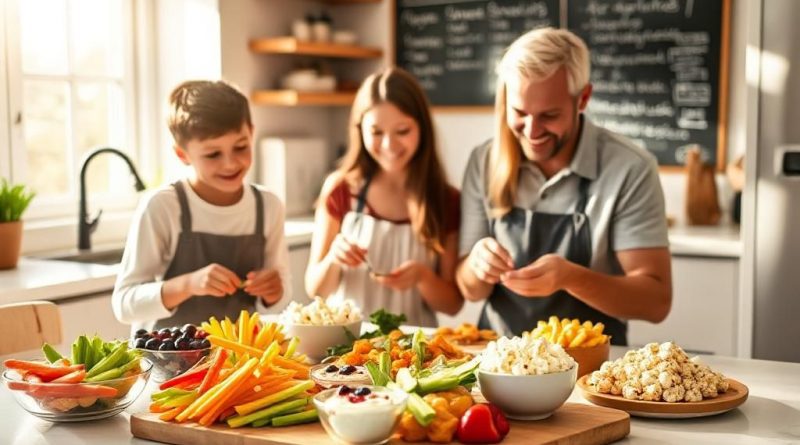
Satisfy your cravings with these easy low-calorie snacks.
How to Create Delicious Low-Calorie Snacks That Actually Satisfy Your Cravings
Let’s face it: the term "diet snacks" often conjures up images of dull, flavorless bites that leave you feeling deprived and still hungry. But what if I told you that creating low-calorie snacks can be both enjoyable and satisfying? The key is combining nutrition with excitement—yes, it’s possible to indulge in snacks that not only please your taste buds but also support your health goals. In this comprehensive guide, we’ll explore exactly how to create low-calorie snacks that keep you full, energized, and genuinely happy to snack healthy.
Understanding Low-Calorie Snacking
Low-calorie snacking isn't just about slashing numbers on a calorie count—it’s about strategically choosing nutrient-dense foods that keep you nourished and satisfied. According to the American Heart Association, effective snacking can help manage hunger levels and prevent overeating during meals. However, it’s essential to understand what truly constitutes a healthy low-calorie snack.
A great low-calorie snack typically includes a balance of three essential components:
- Protein: Essential for keeping you satiated, protein helps curb hunger spikes and plays a critical role in muscle repair.
- Fiber: Known for its ability to slow digestion, fiber helps maintain stable blood sugar levels and keeps you feeling full longer.
- Healthy Fats: Including moderate amounts of healthy fats can enhance the flavor and satisfaction without significantly boosting caloric intake.
Incorporating these elements can help you create snacks that not only fit your dietary goals but also make you feel good about what you’re eating.
The Importance of Balance
A well-planned snack balances calories with the nutrients necessary for your body’s needs. Health professionals recommend aiming for snacks that provide approximately 100-150 calories while offering enough protein and fiber to keep you satisfied. For instance, a snack of Greek yogurt with berries packs a powerful nutrient punch and keeps you full without unnecessary calories.
The Building Blocks of Delicious Low-Calorie Snacks
Creating your own low-calorie snacks requires a solid understanding of the foundational ingredients that make them truly satisfying. Below are the building blocks that will enable you to whip up a variety of delicious snacks tailored to your preferences:
1. Choose Your Protein Powerhouse
Protein should be a cornerstone of your snacks. It helps maintain muscle mass and promotes satiety. Here are some excellent choices for your low-calorie snacking:
- Greek Yogurt: High in protein (up to 17g per cup), it’s versatile and can be paired with fruits or nuts for extra flavor.
- Cottage Cheese: With 14g of protein per ½ cup, it’s rich in calcium and can be enjoyed with fruit or herbal toppings.
- Hummus: While it has a moderate protein content (about 2g per 2 tablespoons), it’s best paired with veggies to enhance fiber intake.
Each of these options can help keep hunger at bay while providing essential nutrients.
2. Add Fiber-Rich Volume
Fiber is critical when it comes to snacking low-calorie. Not only does it aid in digestion, but it also helps you feel fuller for longer. Here are fiber-rich foods you can incorporate into your snacks:
- Popcorn: When air-popped, it offers about 6g of fiber per 3 cups, making it a fun and satisfying volume snack.
- Berries: Options like raspberries provide around 4g of fiber per cup, acting as a great sweet addition to yogurts or smoothies.
- Carrots and Celery: These crunchy vegetables offer low-calorie snacking options that are rich in fiber and nutrients.
When combining these fiber sources with protein, you'll create snacks that not only taste good but also support your digestive health.
3. Include Healthy Fats (Strategically)
Healthy fats provide flavor and satiety to your snacks, but it’s crucial to be mindful of portions. Here are some healthy fats that can be included in your low-calorie snacks:
- Almonds: A small handful (about 10 almonds) packs roughly 70 calories and offers healthy fats that can help you stay full.
- Avocado: A quarter of an avocado adds creaminess and healthy fats at approximately 80 calories.
- Chia Seeds: High in omega-3 fatty acids and fiber, adding a tablespoon to yogurt or smoothies can yield health benefits along with great texture.
Research suggests that including healthy fats can help improve satiety and promote overall health, provided they are eaten in moderation.
4. Boost Flavor Without Bulking Up Calories
Finally, flavor is the cherry on top of your healthy snacks. Here are some fantastic ways to enhance flavor without significantly increasing calorie counts:
- Spices: Cinnamon, paprika, or garlic powder can transform plain snacks into flavorful bites.
- Fresh Herbs: Basil, cilantro, or mint can create refreshing twists in savory dishes or snacks.
- Citrus Zest: Adding zest from lemons, limes, or oranges can brighten up any dish without added calories.
Think outside the box when it comes to flavor; the right enhancements can make even the simplest of snacks incredibly delicious.
Step-by-Step Guide to Creating Your Own Low-Calorie Snacks
Now that you understand the components of a satisfying low-calorie snack, let’s break down a simple step-by-step formula to create your own delicious bites.
Step 1: Select Your Base
Decide whether you want a creamy, crunchy, or fruity base for your snack. Greek yogurt, hummus, or air-popped popcorn are excellent options to consider.
Step 2: Build a Protein Layer
Include a protein source that fits your base. If you're using yogurt, consider adding some nuts or seeds for enhanced flavor and protein. If you're snacking on veggies like cucumber slices, pair them with hummus or a cottage cheese dip.
Step 3: Add Fiber and Bulk
Incorporate fiber-dense produce or whole grains into your snack. For example, if you pick yogurt, toss in some berries or granola. If you're choosing veggies with dip, opt for a variety of colorful raw vegetables to add bulk.
Step 4: Finish with Flavor Enhancements
Lastly, sprinkle in herbs, spices, or healthy toppings like a drizzle of olive oil or a squeeze of lemon. Experiment with different combinations to find what you love best.
By following this framework, you can easily mix and match ingredients to create thrilling low-calorie snacks that never leave you feeling deprived.
Top 10 Easy Low-Calorie Snack Recipes to Get You Started
Now that you have a solid foundation, here are 10 easy low-calorie snack recipes that incorporate the principles discussed above. These recipes are quick, simple, and packed with flavor to satisfy your cravings without derailing your health goals.
-
Cottage Cheese and Berry Bowl
- Ingredients: ½ cup low-fat cottage cheese, ½ cup mixed berries, a sprinkle of chia seeds
- Calories: Approximately 120
- Why It's Great: Protein-packed with a sweet twist, this snack is rich in antioxidants.
-
Veggie Sticks with Hummus
- Ingredients: Carrot and cucumber sticks (about 1 cup total), 3 tbsp hummus
- Calories: Approximately 90
- Why It's Great: A perfect crunchy snack offering fiber and healthy fat.
-
Apple Slices with Nut Butter
- Ingredients: 1 medium apple, 1 tbsp almond butter
- Calories: Approximately 150
- Why It's Great: A classic combination that satisfies your sweet tooth while providing protein and fiber.
-
Mini Pita Pizzas
- Ingredients: 2 whole-grain pita halves, 2 tbsp tomato sauce, 1 oz part-skim mozzarella
- Calories: Approximately 150
- Why It's Great: A healthier take on a pizza that’s perfect for a savory craving.
-
Frozen Yogurt Bark
- Ingredients: 1 cup Greek yogurt, mixed fruit (berries, bananas), drizzle of honey
- Calories: Approximately 100 per serving (when divided)
- Why It's Great: A refreshing sweet treat that's perfect for warm days.
-
Chickpea Popcorn
- Ingredients: 1 cup roasted chickpeas, seasoned with spices
- Calories: Approximately 150
- Why It's Great: A crunchy, nutrient-dense option perfect for munching.
-
Zucchini Chips
- Ingredients: 1 medium zucchini, sliced thin, seasoned with salt
- Calories: Approximately 50
- Why It's Great: A low-calorie alternative to potato chips that satisfies the crunch factor.
-
Greek Yogurt and Granola Parfait
- Ingredients: ½ cup Greek yogurt, 1 tbsp granola, and some raspberries
- Calories: Approximately 130
- Why It's Great: Creamy, crunchy, and sweet all at once.
-
Banana with Cinnamon
- Ingredients: 1 medium banana, dash of cinnamon
- Calories: Approximately 90
- Why It's Great: A quick, sweet, and satisfying snack with no prep time.
-
Protein Energy Bites
- Ingredients: ½ cup oats, 2 tbsp peanut butter, 1 tbsp honey, rolled into bite-sized balls
- Calories: Approximately 100 per bite
- Why It's Great: Perfect for a quick energy boost when you need it.
Smart Snacking Strategies for Different Situations
Implementing smart snacking strategies isn’t just about what you eat; it includes when, how, and why you snack. Here are a few strategies tailored to everyday scenarios:
For On-the-Go Snacking
- Meal Prep: Dedicate time each week to prepare snacks in advance. Pre-portioning nuts, sliced veggies, or yogurt containers into grab-and-go bags can save time and prevent poor choices.
- Portable Snacks: Choose items that are easy to pack. Think of protein bars, individual apples, or cheese sticks—foods that won’t get squished in your bag.
For Late-Night Cravings
- Mindful Snacking: If you find yourself snacking late, make sure to choose something light and satisfying, such as Greek yogurt with a drizzle of honey or a few rice cakes with nut butter.
- Serving Size Awareness: Be cautious about portions. It’s easy to mindlessly munch from a large bag of chips; instead, portion out a reasonable amount to keep yourself in check.
During Work or Study Sessions
- Healthy Snack Stations: If you work from home, create a designated healthy snack station to eliminate the temptation of junk food. Stock it with plenty of prepped fruits, nuts, and low-calorie options.
- Stay Hydrated: Many times, thirst is mistaken for hunger. Keep a bottle of water nearby to sip on, helping you discern between true hunger and dehydration.
With the right mindset and a few smart strategies, low-calorie snacking can become an exciting part of your daily routine rather than a source of deprivation.
Your delicious journey of low-calorie snacking awaits! Keep referring back to these foundational principles, tasty recipes, and smart strategies as you expand your culinary repertoire. The world of flavorful, healthy snacking is just beginning.
Common Low-Calorie Snacking Mistakes to Avoid
Even with the best intentions, snacking can sometimes lead to pitfalls that undermine your efforts. Here are some common mistakes to watch out for and how to avoid them:
Mistake #1: Relying on Processed “Diet” Foods
Many snacks marketed as “diet” or “low-calorie” are packed with artificial ingredients and added sugars that can lead to increased cravings. Instead, focus on whole foods that offer real nutrition. Preparing your snacks at home allows you to control what goes into them.
Mistake #2: Skipping Protein
It’s easy to reach for only fruits or veggies, but without protein, you’ll likely be hungry shortly after. Always aim to include a protein source with your snacks. Pair apple slices with almond butter or Greek yogurt with berries to ensure your snack is both tasty and filling.
Mistake #3: Ignoring Portion Sizes
Healthy snacks can still pack significant calories if you forget to control portions. Whether it’s nuts or seeds, make sure to measure servings instead of eating straight from the bag. Use small bowls to help with portion control.
Mistake #4: Misunderstanding Liquid Calories
Smoothies and juices can be nutritious but also calorie-dense, potentially leading to overeating. Stick to whole fruits and vegetables as snacks, and limit liquid snacks to occasional treats or meal replacements.
Mistake #5: Failing to Plan Ahead
When hunger strikes and you haven’t prepared, it’s easy to choose less healthy options. Spend some time each week to prepare snacks ahead of time. Cook once and snack all week!
Frequently Asked Questions About Low-Calorie Snacking
How many calories should a healthy snack contain?
Most nutritionists recommend aiming for snacks between 100-150 calories. This range provides substantial energy without overshadowing your next meal. Tailor the amount depending on your daily caloric needs and activity levels.
What are the best low-calorie snacks for weight loss?
Choose snacks that balance protein, fiber, and healthy fats. Examples include Greek yogurt with dried fruit, cottage cheese with chopped pineapple, or veggies with hummus. These combinations help satisfy hunger and prevent overeating during meals.
How can I make snacks more filling without adding calories?
Boost the volume of your snacks using non-starchy vegetables like celery, cucumber, or bell peppers. Combining these with a protein source can also enhance fullness without a significant calorie increase. Research shows that foods with higher volume can help control appetite.
Are store-bought low-calorie snacks worth it?
While they can be convenient, many pre-packaged snacks hide added sugars and processed ingredients. When choosing store-bought options, read labels carefully, looking for recognizable ingredients and high nutritional value.
Can I eat low-calorie snacks after 8 PM?
Absolutely! The idea that eating late causes weight gain is a myth. What matters most is your total daily caloric intake. If you find yourself hungry at night, opt for a light, protein-rich snack like Greek yogurt or a handful of nuts.
Snacking Solutions for Various Lifestyles
Understanding your lifestyle can help you tailor snack options. Here are some strategies suitable for different situations:
For Busy Parents
– **Pre-Pack Snacks**: Gather energy-boosting items like string cheese, cut fruits, and nut bars. Keep them in your bag for easy access during playdates or commutes.
– **Involve the Kids**: Make snack prep a family activity. Having children help prepare veggie sticks or mix yogurt with fruits can encourage them to munch healthier choices.
For Students
– **Smart Study Snacks**: Select snacks that can enhance focus without weighing you down. Opt for a handful of nuts or a protein bar between classes and study sessions.
– **Prepare Ahead**: Take time on weekends to prepare snacks for the week. This can be small containers of cut veggies or portioned nuts for quick energy.
For Office Workers
– **Snack Time Strategies**: Instead of hitting up the vending machine, bring your homemade snacks to work. A simple pack of cottage cheese, nuts, and some fruit can help you power through the day.
– **Healthy Meeting Treats**: When organizing meetings, offer healthier snacks like veggies with dips, air-popped popcorn, or fruit platters instead of traditional pastries or chips.
Creating a Sustainable Snacking Routine
Sustainable snacking is all about consistency and finding a method that works for your preferences. Here are a few tips to help solidify healthy snacking habits:
Practice Mindful Eating
– Pay attention to your snacks. Instead of eating while distracted (like scrolling on your phone), take a moment to enjoy each bite. Notice the flavors and textures, which can help you feel more satisfied.
Experiment with New Combinations
– Keep your snack game interesting by experimenting with new ingredients and recipes. Don’t hesitate to combine flavors—try pairing sweet fruits with savory snacks to find what satisfies your palate.
Stay Flexible and Adaptable
– Expect that not every snack will hit the mark. If something doesn’t work for you, simply adjust until you find combinations that you genuinely enjoy within your dietary goals.
Your Path to Enjoyable Low-Calorie Snacking
Creating delicious low-calorie snacks is about blending flavors and ingredients that keep you feeling satisfied while fueling your body. The recipes and strategies outlined provide a great start, but the key is making snacks a fun and constructive part of your routine. With the right approach, you can enjoy your snacks without guilt, ensuring that they complement your health goals instead of hindering them.
So, which snack combinations will you explore first? Remember, it's about progress, not perfection. Enjoy each tasty bite as you embrace healthier snacking! For more meal prep ideas to complement your snacking routine, check out our post on easy meal prep ideas for busy weeknights.