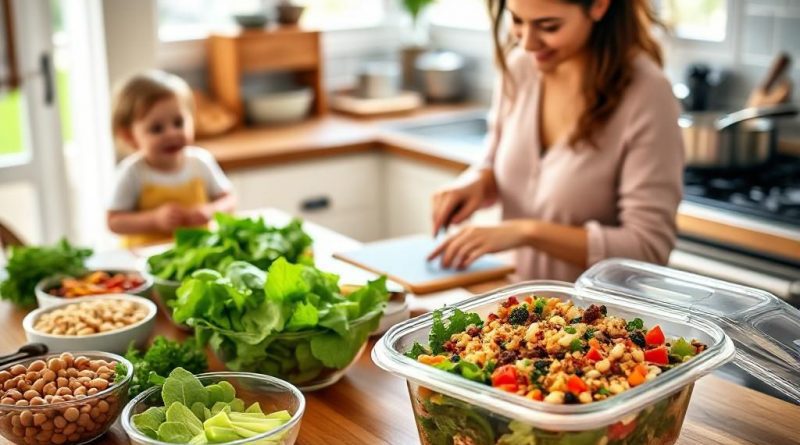
Quick and tasty vegan meal prep ideas for busy moms.
Ultimate Vegan Meal Prep for Moms Short on Time: Complete Guide to Plant-Based Family Nutrition
Being a busy mom while maintaining a healthy vegan lifestyle doesn't have to feel overwhelming. With the right strategies, you can create nutritious plant-based meals for your family without spending hours in the kitchen every day. This comprehensive guide will show you exactly how to master vegan meal prep for moms who are juggling endless responsibilities while prioritizing their family's health.
You'll discover time-saving techniques, foolproof recipes, and organizational systems that work specifically for busy households. Whether you're chasing toddlers around the house or managing school schedules, these practical strategies will help you maintain consistent, delicious vegan meals throughout the week.
Why Vegan Meal Prep Is Essential for Busy Moms
Time management becomes critical when you're responsible for feeding a family while maintaining other responsibilities. Vegan meal prep addresses the common challenge many plant-based families face: having enough time to create varied, nutritious meals without relying on processed convenience foods.
The beauty of plant-based meal prep lies in its flexibility and nutritional density. Unlike traditional meal prep that might focus on reheating the same meal repeatedly, vegan prep allows you to create versatile base ingredients that transform into completely different dishes throughout the week.
Organized meal planning significantly reduces decision fatigue – that overwhelming feeling of constantly wondering "what's for dinner?" When you have prepped ingredients and planned meals, you can focus your mental energy on other important aspects of family life.
Smart Base Ingredient Strategy
The most effective approach to vegan meal prep for busy moms involves creating versatile base ingredients that work across multiple meals. This method maximizes your prep time while providing maximum variety throughout the week.
Essential Base Components
Protein bases form the foundation of satisfying vegan meals. Batch-cook tofu, tempeh, and legumes at the beginning of each week. Roasted tofu cubes can become stir-fry protein on Monday, salad toppers on Tuesday, and sandwich filling by Wednesday. Similarly, a large batch of cooked lentils transforms into soup, burger patties, or curry throughout the week.
Grain foundations provide sustained energy and versatility. Cook large quantities of quinoa, brown rice, and farro on Sunday. These grains serve as bases for Buddha bowls, side dishes, and even breakfast porridge when mixed with plant milk and fruit.
Roasted vegetables maintain their texture and flavor for days when properly stored. Prepare a variety of seasonal vegetables – sweet potatoes, broccoli, bell peppers, and cauliflower – that work in multiple applications from grain bowls to pasta dishes.
Sauce and Flavor Systems
Homemade sauces elevate simple ingredients into restaurant-quality meals. Prepare 2-3 different sauces weekly: a tahini-based dressing, a cashew cream sauce, and a spicy peanut satay sauce. These flavor profiles completely transform the same base ingredients into distinctly different meals.
Pickled vegetables add brightness and probiotics to any dish while lasting weeks in the refrigerator. Quick-pickled onions, carrots, or radishes require minimal effort but provide maximum impact on flavor and nutrition.
Time-Saving Preparation Techniques
Weekend Prep Sessions
Strategic timing makes meal prep sustainable for busy schedules. Most successful vegan meal prep happens during focused 2-3 hour sessions when partners can watch children or during naptime. This concentrated effort pays dividends throughout the entire week.
Washing and chopping vegetables immediately after grocery shopping saves precious weekday minutes. Store prepared lettuce in airtight containers, dice frequently-used vegetables like carrots, celery, and onions, and keep them ready for quick meal assembly.
Bean preparation eliminates the need for canned varieties while saving money. Rinse and drain cooked beans, storing them in airtight containers for easy addition to salads, wraps, and grain bowls throughout the week.
Freezer-Friendly Solutions
Make-ahead freezer meals extend your meal prep efforts beyond a single week. Soups, stews, and casseroles freeze beautifully and provide backup options for particularly hectic weeks.
Popular vegan freezer meals include lentil stew, vegetable soup with chickpeas, stuffed bell peppers, and veggie-packed pasta sauces. These meals reheat quickly and provide complete nutrition when fresh cooking isn't possible.
Smoothie preparation becomes effortless with freezer packs. Combine all smoothie ingredients except liquid in freezer bags, then simply blend with plant milk when ready to serve. This technique works particularly well for breakfast routines with children.
High-Impact Meal Categories
Breakfast Solutions
Overnight preparations eliminate morning meal stress. Overnight oats with chia seeds, plant milk, and fruit provide sustained energy without morning cooking. Prepare multiple jars simultaneously for grab-and-go convenience.
Protein-rich muffins satisfy growing children while providing portable nutrition. Muffins incorporating dates, bananas, shredded carrots, and plant-based protein powder freeze well and defrost quickly for school mornings.
Lunch and Dinner Strategies
Buddha bowl assembly represents the pinnacle of efficient vegan meal prep. Layer prepped grains, proteins, roasted vegetables, and sauces in containers for completely different meals each day. The same components create Mediterranean bowls, Asian-inspired combinations, or Mexican-style arrangements.
Soup and chili preparation provides comfort food that improves with time. Large batches of protein-packed vegetarian chili or creamy tomato soup with cannellini beans offer satisfying meals that reheat perfectly.
Pasta and grain salads maintain their quality for days when dressing is stored separately. These versatile dishes work as main courses or side dishes and travel well for busy family schedules.
Essential Tools and Storage Solutions
Kitchen Equipment
High-quality storage containers preserve freshness and prevent cross-contamination. Glass containers work best for acidic foods like tomato-based sauces, while BPA-free plastic containers offer lightweight portability for school lunches.
Sharp knives and cutting boards dramatically reduce prep time. Invest in tools that make vegetable preparation efficient and safe, especially when working during limited time windows.
Slow cookers and pressure cookers multiply your cooking capacity without active supervision. These appliances excel at preparing large batches of grains, legumes, and one-pot meals while you handle other responsibilities.
Organization Systems
Meal planning templates streamline weekly decision-making. Create standardized shopping lists organized by store sections to minimize grocery shopping time while ensuring nothing essential gets missed.
Component storage methods maintain ingredient freshness throughout the week. Store wet and dry ingredients separately, keep delicate herbs in water like flowers, and use airtight containers for prepared grains and legumes.
Common Mistakes and Solutions
Preparation Pitfalls
Over-ambitious planning leads to meal prep burnout. Start with preparing 2-3 base ingredients rather than attempting complete meal preparation for the entire week. Gradually increase complexity as systems become routine.
Inadequate storage practices result in food waste and safety concerns. Always cool foods completely before refrigerating, use containers appropriate for each food type, and label everything with preparation dates.
Ignoring family preferences creates resistance to meal plans. Involve children in ingredient selection and preparation when possible, and maintain flexibility to accommodate changing tastes and schedules.
Nutritional Considerations
Protein anxiety affects many new plant-based families unnecessarily. Combining legumes, grains, nuts, and seeds throughout the day provides complete amino acid profiles without complicated meal planning.
Relying on processed foods undermines health goals despite convenience. While some packaged foods fit into busy schedules, emphasize whole food ingredients as the foundation of family nutrition.
Quick Reference: Weekly Meal Prep Schedule
Sunday preparation focuses on base ingredients: cook grains and legumes, roast vegetables, and prepare 2-3 sauces. This 2-3 hour investment supports the entire week's meals.
Mid-week refresh involves washing fresh greens, chopping quick-cooking vegetables, and preparing any additional sauces or dressings needed for upcoming meals.
Friday planning dedicates time to next week's menu planning and grocery list creation, ensuring smooth weekend shopping and Sunday preparation.
Frequently Asked Questions
How long do prepped vegan meals stay fresh? Most prepared components maintain quality for 4-5 days in the refrigerator when stored properly. Grains and legumes often improve in flavor over time, while fresh vegetables should be used within the first few days.
Can I customize these strategies for picky eaters? Absolutely. Component-based meal prep allows family members to combine ingredients according to their preferences. Children can build their own bowls from familiar ingredients while adults add more adventurous elements.
What if I don't have time for weekend prep sessions? Break preparation into smaller daily tasks. Spend 15 minutes each evening preparing ingredients for the next day's meals. This approach requires less concentrated time while still providing meal prep benefits.
How do I maintain variety without complicated planning? Focus on rotating sauce and seasoning profiles rather than completely different ingredients. The same roasted vegetables taste completely different with Mediterranean herbs versus Asian-inspired sauces.
Taking Action: Your First Week
Start your vegan meal prep journey by choosing three base ingredients to prepare this weekend: one grain, one protein, and one roasted vegetable combination. Prepare simple tahini dressing and store everything in appropriate containers.
Plan five different combinations using these components throughout the week, varying the fresh additions and seasonings. This simplified approach builds confidence while establishing sustainable routines that work for your family's unique schedule and preferences.
Remember that successful meal prep for busy moms develops gradually. Each week, you'll discover new time-saving techniques and flavor combinations that make plant-based family nutrition both manageable and enjoyable.
Creative Vegan Meal Ideas for Kids
Getting kids excited about healthy eating can be a challenge, but with a little creativity, you can make plant-based meals fun and appealing. Here are some ideas that will excite even the pickiest of eaters while fitting seamlessly into your busy schedule.
Fun Shapes and Colors
Incorporate colorful vegetables and shape them into fun, recognizable forms. Use cookie cutters to create star-shaped sandwiches or veggie sticks. Children are often more inclined to try new foods when they’re presented in a playful way.
DIY Meal Assemblies
Allowing kids to assemble their own meals can make mealtime more interactive. Set up a “build-your-own” station with various components:
- Wraps: Provide whole grain tortillas and let them fill with hummus, sliced veggies, and a choice of protein like chickpeas or tofu.
- Mini Pizzas: Use whole grain pita or naan bread, then offer toppings like tomato sauce, shredded veggies, and nutritional yeast for a cheesy flavor.
Colorful Smoothie Bowls
Smoothie bowls are a great way to pack in nutrition while appealing to children’s love for sweetness. Blend frozen fruits with a splash of plant milk and top with seeds, nuts, and colorful fruits. Not only are they delicious, but they’re also visually stimulating.
Meal Prep Checklist for Busy Moms
Maintaining an organized approach to your meal prep can significantly reduce stress and save time during the week. Here's a handy checklist to keep you on track.
Before the Grocery Store
- Meal Plan: Choose 3-4 recipes for the week, focusing on versatility to reduce waste.
- Create a Shopping List: Write down all ingredients you need for each recipe, categorized by section to make grocery shopping efficient.
During Grocery Shopping
- Stick to your list to avoid impulse buys that can derail your meal prep plans.
- Opt for bulk items whenever possible for better pricing and reduced packaging waste.
Preparation Day Activities
- Clean and Chop: Wash all produce first, as the clean workspace is essential.
- Batch Cook: Cook grains, legumes, and proteins together in large quantities.
Storage Tips
- Label containers with names and dates to track freshness.
- Use clear containers for quick visibility when searching for components in the fridge.
Incorporating Leftovers into New Meals
Maximize efficiency by reinventing leftovers into new meals. This not only saves time but also reduces food waste. Here’s how:
Transforming Leftovers
- Soups and Stews: Use leftover grains and veggies to create a hearty soup. Simply add broth, spices, and any additional ingredients you prefer.
- Casseroles: Combine leftover proteins and veggies with a grain base and your favorite sauce to create a delicious casserole that reheats well.
- Salad Mixes: Toss leftover roasted veggies onto a fresh salad with your prepped greens and a protein source for a quick lunch or dinner.
Example Reimagined Meals
- Leftover lentils from dinner can become a filling for tacos during the week.
- Extra roasted sweet potatoes can be transformed into a breakfast hash by adding sautéed greens and a sprinkle of spices.
Staying Motivated in Your Meal Prep Journey
Finding the motivation to continue meal prepping each week can sometimes be a challenge. Keep these tips in mind to stay inspired:
Set Realistic Goals
Start small. Instead of overhauling your entire meal system, focus on one or two new recipes or techniques each week. Gradually, as you gain confidence and consistency, you can explore more complex ideas.
Involve Your Family
Make meal prep a family affair. Get your kids involved in choosing the recipes or helping with the cooking process. This not only teaches them valuable skills but also makes them more likely to try new foods since they had a hand in making them.
Celebrate Achievements
After a week of successful meal prep, take a moment to celebrate. Whether it’s treating yourself to a favorite snack or spending an evening out, recognizing your efforts keeps your motivation high.
Conclusion with Action Steps
Implementing a robust vegan meal prep routine takes practice, but you'll find it immensely rewarding both for your family’s health and your schedule. Start by choosing a weekend for your first comprehensive prep session, and remember to:
- Select 2-3 base ingredients.
- Make a shopping list and stick to it.
- Use your kitchen time wisely to prepare flavorful meals for the week.
As you build confidence and discover new recipes, you’ll create a collection of meal prep strategies that work specifically for your family's needs. Enjoy this journey towards healthier eating and family bonding without the time-consuming stress in the kitchen.