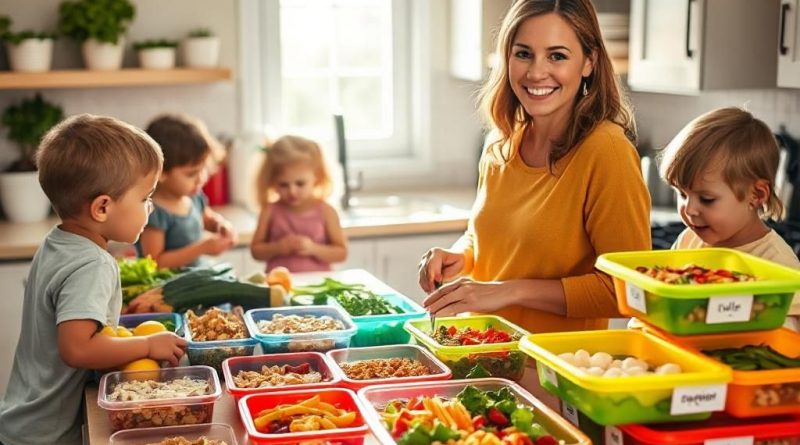
Prep freezer meals for postpartum stress relief and ease.
The Ultimate Guide to Postpartum Freezer Meals: Your Secret Weapon for New Parent Sanity
Let's be real—when your newborn arrives, the last thing you'll want to do is cook dinner. Between feedings, diaper changes, and surviving on minimal sleep, mealtime can quickly become a major stress point. That's where postpartum freezer meals come in as your absolute lifesaver.
In this comprehensive guide, you'll discover exactly how to prep freezer meals for postpartum convenience—so you can focus on bonding with your baby instead of scrambling for dinner options. I'll walk you through the best nutrient-dense recipes that freeze beautifully, essential tools that make the process efficient, smart storage techniques, and reheating methods that deliver restaurant-quality meals with minimal effort.
Whether you're weeks away from your due date or just starting to think about postpartum planning, this guide gives you everything you need to stock your freezer with meals that support your recovery while satisfying your entire family.
Why Postpartum Freezer Meals Are Non-Negotiable
During the fourth trimester (those crucial first 12 weeks after birth), your body is healing while adjusting to life with a newborn. Proper nutrition isn't just nice to have—it's essential for recovery, milk production if breastfeeding, and maintaining your energy levels.
The reality? When you're running on three hours of broken sleep, even simple meal prep feels overwhelming. A survey by the American Pregnancy Association found that 78% of new mothers reported struggling with meal preparation during the first month postpartum.
Freezer meals solve this problem by:
- Providing immediate access to nutritious food when you're too exhausted to cook
- Reducing decision fatigue during an already overwhelming time
- Ensuring you get the protein, iron, and other nutrients crucial for healing
- Allowing your partner or support people to easily feed you without cooking skills
- Preventing reliance on unhealthy takeout options when hunger strikes
Registered dietitian Sarah Smith explains: "The postpartum period requires increased caloric intake—about 300-500 extra calories daily for breastfeeding moms. Having nutrient-dense freezer meals readily available ensures new mothers meet these needs without added stress."
Essential Tools for Postpartum Freezer Meal Prep Success
Before you start cooking, equip your kitchen with these game-changing tools that make freezer meal prep efficient and effective:
Must-Have Kitchen Equipment
-
Flexible Cutting Boards: These bend to easily transfer chopped ingredients directly into bags or containers, minimizing mess and cleanup. They're affordable (under $1 each) and dishwasher-safe.
-
Baggy Holders: These ingenious tools hold your freezer bags open, eliminating the need for an extra set of hands. A single holder can cut your prep time in half when filling multiple bags.
-
Multiple Sets of Measuring Cups & Spoons: When prepping multiple recipes, having 3-4 sets prevents constant washing. Look for stainless steel or those with measurements carved into handles (painted plastic wears out quickly).
-
Vegetable Chopper: A quality veggie chopper saves significant time—perfectly dicing onions, potatoes, and other vegetables in seconds. Choose one with a larger holding base for efficiency.
-
Instant Pot or Pressure Cooker: These appliances dramatically reduce cooking time for items that normally take hours, like roasting chicken or cooking beans from scratch.
-
Food Processor: While not essential, it saves tremendous time with cheese grating, vegetable chopping, and making sauces. A mid-range model works perfectly for freezer meal prep.
Smart Storage Solutions
-
Souper Cubes Molds: These compartmentalized trays let you freeze soups and stews in perfect single-serving portions that pop out easily once frozen.
-
Vacuum Sealer: This tool removes air to prevent freezer burn and extends food freshness up to 3x longer than regular containers. Foodsaver is the most popular brand.
-
Silicone Freezer Bags: Reusable, eco-friendly alternatives to plastic that withstand both freezing and reheating. Stasher bags are a top choice.
-
9×13 Aluminum Pans: Perfect for casseroles and family-sized meals. They're disposable (reducing cleanup) and can go straight from freezer to oven.
-
Gallon-Size Freezer Bags: Opt for heavy-duty, name-brand freezer bags (not regular storage bags) to prevent tears and leaks. Lay flat to freeze for space efficiency.
Pro Tip: "Label everything with masking tape and a permanent marker—include the dish name, date frozen, and reheating instructions. You'll thank yourself later when you're sleep-deprived and trying to remember if that container is chicken soup or beef stew!" — Julie Chen, Meal Prep Coach and Mom of Nine
Best Foods to Freeze for Postpartum Recovery
Not all meals freeze equally well. Focus on these nutrient-dense options that maintain quality after freezing and deliver the specific nutrients new moms need:
Top 5 Postpartum Freezer Meal Categories
1. Healing Soups & Stews (Highest Priority!)
- Bone broth-based soups with leafy greens
- Lentil and vegetable soup (packed with iron)
- Chicken and ginger soup (anti-inflammatory)
- Sweet potato and chickpea stew (rich in vitamins)
Why they work: Soups provide essential hydration (critical for milk production) while delivering concentrated nutrients in an easily digestible form. The liquid base prevents freezer burn and reheats evenly.
2. Protein-Packed Casseroles
- Cheesy chicken and broccoli casserole
- Veggie-packed lasagna with hidden zucchini and spinach
- Quinoa and roasted vegetable bowls with chickpeas
- Turkey and black bean enchiladas
Why they work: Casseroles combine complete proteins with vegetables in one dish, require minimal reheating, and feel comforting during recovery. The cheese or sauce base protects ingredients from drying out.
3. Simple Stir-Fries & Skillets
- Teriyaki chicken with snap peas and carrots
- Beef and broccoli with ginger sauce
- Shrimp and vegetable stir-fry
- Lamb skewers with herb marinade
Why they work: These freeze exceptionally well when the sauce is included. The high-fat content in sauces protects proteins from texture changes during freezing.
4. Make-Ahead Breakfasts
- Chocolate chip banana oat muffins (oats support milk production)
- Pumpkin bread (rich in vitamins for immune support)
- Egg muffin cups with spinach and cheese
- Freezer-friendly pancakes or waffles
Why they work: Breakfast is often the most neglected meal postpartum. Having grab-and-go options ensures you start your day with proper nutrition.
5. Nutrient-Dense Snacks
- Energy balls with oats, nuts, and dates
- Homemade protein bars
- Portioned nut butter packets
- Frozen fruit smoothie packs
Why they work: New moms burn 300-500 extra calories daily. Having high-calorie, nutrient-dense snacks readily available prevents energy crashes between meals.
Nutritionist Insight: "Prioritize meals with iron (for blood loss recovery), protein (for tissue repair), omega-3s (for mood regulation), and fiber (for digestion). Foods like lentils, salmon, eggs, leafy greens, and sweet potatoes should feature prominently in your freezer meal plan." — Dr. Amanda Rodriguez, Postpartum Nutrition Specialist
Your Step-by-Step Guide to Postpartum Freezer Meal Prep
Follow this proven system to efficiently stock your freezer with 2-3 weeks of meals in just 1-2 prep sessions:
Step 1: Plan Strategically (1-2 Hours)
- Calculate your needs: Plan for 14-21 meals (2-3 weeks worth). Include 5 breakfasts, 7 lunches, 7 dinners, and 5-7 snack options.
- Choose complementary recipes: Select meals that use overlapping ingredients to minimize shopping and prep time. Example: Use one chicken batch for stir-fry, soup, and casserole.
- Create a master shopping list: Organize by grocery store sections to save time during shopping.
- Schedule your prep day: Block 4-6 hours when you have support (partner, friend, or family member) to help with prep.
Step 2: Shop Smart (1-2 Hours)
- Buy in bulk: Purchase proteins, grains, and frozen vegetables in larger quantities.
- Opt for seasonal produce: It's cheaper and tastes better (frozen at peak freshness).
- Don't forget pantry staples: Stock up on broth, canned tomatoes, spices, and oils.
- Grab quality storage supplies: Purchase enough freezer bags, containers, and labeling materials.
Step 3: Prep Like a Pro (3-5 Hours)
The Assembly Line Method (Most Efficient Approach):
- Prep all ingredients first: Chop all vegetables, measure spices, and prepare sauces before cooking anything.
- Cook proteins in batches: Use your Instant Pot for shredded chicken or beef (cooks 3x faster than traditional methods).
- Make sauces and bases: Prepare soup broths, stir-fry sauces, and casserole bases that can be portioned.
- Assemble complete meals: Combine ingredients into your storage containers following your recipes.
- Cool properly: Let hot foods cool to room temperature (but not longer than 2 hours) before freezing to prevent ice crystals.
Pro Tip: "Cook your grains (rice, quinoa) plain and freeze separately from saucy components. This gives you flexibility to mix and match components later—like using the same rice for stir-fry one night and soup the next." — Lexi Thompson, Registered Dietitian
Step 4: Portion for Maximum Convenience
- Single-serving portions: Ideal for soups, stews, and breakfast items (freeze in Souper Cubes or silicone molds).
- Family-sized portions: Best for casseroles and main dishes that serve multiple people (use 9×13 aluminum pans).
- Component portions: Freeze proteins, grains, and vegetables separately for mix-and-match meals.
- Breakfast portions: Wrap individual muffins or slices in parchment paper before bagging to prevent sticking.
Step 5: Freeze Properly (Critical Step!)
- Flash freeze liquids: Pour soups into Souper Cubes or silicone molds, freeze until solid (2-4 hours), then transfer to vacuum-sealed bags.
- Remove excess air: For bagged meals, press out as much air as possible before sealing (or use a vacuum sealer).
- Lay flat when possible: Freeze bags flat on baking sheets for space efficiency and faster thawing.
- Cool completely: Never put hot food directly in the freezer—this raises the freezer temperature and risks partial thawing of other items.
Smart Storage and Labeling Techniques That Actually Work
What separates successful freezer meal preppers from those who end up with mystery containers? Proper labeling and organization.
Foolproof Labeling System
Create labels that include:
- Dish name (be specific: "Healing Chicken Soup with Ginger & Turmeric")
- Date frozen (use MM/DD/YYYY format)
- Reheating instructions (critical when you're sleep-deprived!)
- Serving size (e.g., "Serves 2" or "Single serving")
Use this labeling hack: Write all information on masking tape with a permanent marker, then wrap it around the top edge of containers or bags. This keeps labels visible even when containers are stacked.
Freezer Organization Strategies
The "First In, First Out" System:
- Place newly frozen meals at the back of the freezer
- Move older meals to the front
- Check expiration dates monthly and rotate as needed
Zone Organization:
- Designate specific freezer sections: Breakfasts, Main Dishes, Soups, Snacks
- Use different colored bags or containers for each category
- Keep a master list on your freezer door with contents and dates
The "Emergency Meal" Slot:
- Always keep 2-3 single-serving meals in an easily accessible spot
- Reserve these for true emergencies (like when baby is sick and you can't cook)
Storage Lifespan Guidelines:
- Soups & stews: 3 months
- Casseroles: 2-3 months
- Cooked meats: 2-3 months
- Baked goods: 2 months
- Raw meats: 6-12 months (but not ideal for postpartum meal prep)
Reheating Tips for Perfect Postpartum Meals Every Time
The right reheating method makes all the difference between a delicious meal and a freezer-burned disappointment. Here are essential tips based on meal types to ensure that each dish tastes freshly cooked, no matter how long it's been in the freezer.
Best Reheating Methods by Meal Type
- Soups & Stews:
- Thaw overnight in the refrigerator for best results.
- Alternatively, place the frozen block directly in a saucepan with ¼ cup of water.
- Heat on medium-low, stirring occasionally, until heated through. Add extra broth if the mixture is too thick.
- Casseroles:
- Thaw overnight in the refrigerator or bake from frozen at 350°F, covered with foil for the first 30 minutes.
- Add 15-20 minutes to cooking time if frozen, checking that the internal temperature reaches 165°F.
- Stir-Fries:
- Thaw completely in the refrigerator.
- Heat an empty skillet, then add oil before adding the frozen stir-fry mix.
- Cook for 5-7 minutes, stirring frequently, until everything is heated through.
- Breakfast Items:
- Muffins or bread can be thawed at room temperature for about 30 minutes or microwaved for 20-30 seconds from frozen.
- Egg muffin cups should be microwaved for 60-90 seconds from frozen.
Pro Tip: Always under-season slightly during meal prep. Flavors concentrate when frozen, allowing you to adjust salt and spices to taste during reheating for perfectly seasoned dishes.
5 Costly Postpartum Freezer Meal Mistakes to Avoid
Even well-intentioned freezer meal preppers can fall victim to common errors that undermine their efforts. Here are the pitfalls to avoid:
1. Freezing the Wrong Foods
Mistake: Freezing creamy sauces, salads with mayonnaise, or fried foods that don’t reheat well.
Solution: Stick to broth-based soups, casseroles, and cooked vegetables. Avoid freezing anything with raw ingredients that may not retain texture or flavor.
2. Improper Cooling Before Freezing
Mistake: Putting hot food directly into the freezer raises the temperature and risks thawing other items.
Solution: Cool food to room temperature (within 2 hours of cooking) on wire racks before freezing. This way, you minimize ice crystal formation and keep everything safe.
3. Inadequate Portioning
Mistake: Freezing family-sized portions when you’re usually eating alone or with only one other person.
Solution: Freeze 70% of your meals as single servings and 30% as family portions. Utilize Souper Cubes for perfectly portioned soups.
4. Skipping the Labeling Step
Mistake: Relying on memory to remember what meals are in the freezer.
Solution: Label everything immediately after freezing. Use masking tape and a permanent marker to include the dish name, date frozen, and reheating instructions for clarity.
5. Overlooking Snack Options
Mistake: Only prepping full meals and forgetting about snacks, which can be crucial for maintaining energy throughout the day.
Solution: Prepare 5-7 nutrient-dense snacks like energy balls, protein bars, or portioned nut butter packets to keep your energy levels stable between meals.
Postpartum Freezer Meals FAQ: Your Questions Answered
Q: How far in advance should I prep freezer meals before baby arrives?
A: Aim to complete your freezer meal prep 2-4 weeks before your due date. This timeline allows you to recover from the prep work while still ensuring your meals are frozen at peak freshness. Start with 10-14 meals, then add more if you’re feeling up to it as your due date approaches.
Q: What are the absolute best freezer meals for C-section recovery?
A: Focus on high-protein, high-fiber meals that support healing and prevent constipation, which is common after C-sections. Great choices include lentil soup, nutrient-rich bone broth with vegetables, quinoa bowls with roasted veggies, and lean protein casseroles. It’s also wise to avoid gassy foods like beans initially if you’ve had abdominal surgery.
Q: Can I freeze meals containing dairy?
A: Yes, but with caution. Cheese freezes well in cooked dishes such as casseroles, though creamy sauces may separate upon reheating. For best results, add dairy (like milk or cream) when reheating rather than during the initial preparation.
Q: How do I prevent freezer burn?
A: Follow these three keys: 1) Remove as much air as possible from containers, 2) Use proper freezer-safe containers, and 3) Freeze foods quickly by spreading them out in a single layer initially. Vacuum sealing is an excellent method for providing the best protection against freezer burn.
Q: Are glass containers safe for freezing?
A: Glass containers are safe for freezing but should be used with precautions. It’s essential to leave 1-1.5 inches of headspace for expansion and avoid sudden temperature changes—never put hot food directly into cold glass. Mason jars are great for soups when properly prepared.
Your Postpartum Freezer Meal Action Plan
With all the information you've gained, you now have a clear path to create a freezer stocked with nourishing, convenient meals that will ease your transition into motherhood. Here’s a simple action plan to get you started:
- This week: Choose 3-5 freezer-friendly recipes from this guide that excite you.
- Next shopping trip: Pick up ingredients along with essential storage supplies.
- Schedule 1-2 prep sessions: Block 4-6 hours with a supportive partner or friend.
- Prep and freeze: Follow the step-by-step guide to create 10-14 meals.
- Label and organize: Implement the foolproof labeling system before storing your creations.
Remember, you don't need to prepare 50 meals to benefit—starting with just 5-7 freezer meals can create significant relief during those first overwhelming weeks. Your future sleep-deprived self will thank you for taking these few hours now to prepare. Because when that newborn arrives, your only job is to heal and bond—with everything else handled by your freezer full of love (and delicious food).
With preparation, you'll set yourself up for success, making those early days with your little one a little easier and more nourishing. Now go stock that freezer—you've got this!
For additional meal prep ideas and inspiration, check out our easy meal prep ideas for busy weeknights.