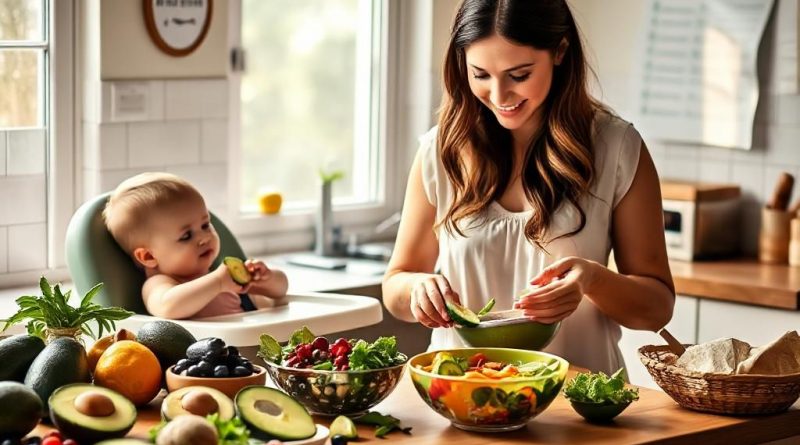
Nourishing tips for postpartum hair and skin beauty.
The Ultimate Nutrition Guide for Postpartum Hair and Skin Health (Reclaim Your Glow!)
If you're noticing clumps of hair in your brush or struggling with skin changes since welcoming your baby, you're definitely not alone. Many new moms experience hair loss and skin alterations after childbirth, but understanding the science behind these changes and knowing how to nourish your body can help you reclaim that beautiful glow you once had. This guide focuses on practical nutrition tips for postpartum hair and skin health, helping you prioritize your well-being amidst the chaos of new motherhood.
Why Your Hair and Skin Change After Baby (The Science Simplified)
Your body just completed an extraordinary journey, and with that, significant hormonal changes occur. During pregnancy, elevated hormones such as estrogen allow more hair follicles to remain in the growth phase, giving many women that enviable, thick mane. However, after childbirth, hormone levels drop, leading to a rapid transition where multiple hair follicles enter the shedding phase. This condition, known as telogen effluvium, typically peaks around three to four months postpartum and can last up to five months, resulting in noticeable hair loss.
Your skin also changes dramatically after birth. The pregnancy-induced glow often fades, replaced by dryness, sensitivity, or even postpartum acne. Stretch marks, which may have developed during pregnancy, remain prominent for some time, and melasma (dark patches) can linger long after the baby is born. According to registered dietitian Sarah Smith, "It takes 3-7 years on average to replenish the nutrients lost over a pregnancy—so if you feel like you're still recovering, you are!" This nutrient depletion is directly linked to your hair, skin, and overall vitality.
The Top 5 Nutrients for Postpartum Hair and Skin Recovery
Instead of resorting to expensive treatments or complex routines, focus on incorporating these key nutrients into your diet. Each plays a vital role in supporting your postpartum hair and skin health.
1. Iron: Your Hair's Best Friend
During childbirth, many women experience considerable blood loss, which can deplete their iron stores. Low iron levels can inhibit oxygen delivery to hair follicles, leading to increased shedding. Including iron-rich foods in your diet is crucial for hair recovery and overall health.
Food sources of iron include:
- Grass-fed beef
- Lentils and beans
- Spinach and dark leafy greens
Tip: Pair iron-rich foods with vitamin C sources like bell peppers or citrus fruits to enhance absorption.
2. Protein: The Building Block of Renewal
Protein is essential for tissue repair and involves amino acids that form keratin—the primary protein found in hair. While your body requires protein for other vital functions, without sufficient intake, hair growth may become less prioritized.
Postpartum protein recommendations:
- Non-breastfeeding moms: 0.8 grams of protein per pound of body weight
- Breastfeeding moms: Add an additional 15-20 grams (equivalent to about 3 ounces of chicken or one scoop of quality protein powder).
Easy protein-rich options:
- Greek yogurt topped with berries
- Hard-boiled eggs (prep a batch weekly)
- Smoothies (blend spinach, banana, protein powder, and almond milk)
- Edamame snacks
3. Healthy Fats: Your Skin's Hydration Heroes
Healthy fats are crucial for replenishing the skin barrier, promoting elasticity, and enhancing hair shine. The hormonal changes postpartum make adequate fat intake even more essential.
Top healthy fat sources include:
- Avocado (perfect on toast or in salads)
- Fatty fish like salmon (aim for 2-3 servings weekly)
- Extra virgin olive oil (great for drizzling on vegetables)
- Chia seeds and flaxseeds (add them to your smoothies or oatmeal)
- Nuts like walnuts and almonds (ideal for on-the-go snacks)
These fats not only provide anti-inflammatory benefits but also support skin hydration and overall health.
4. Vitamin D: The Sunshine Vitamin for Hair Follicles
Research indicates that vitamin D plays a significant role in hair follicle cycling. Many women are deficient in this vitamin postpartum due to limited sunlight exposure. Ensuring adequate vitamin D levels is crucial for hair and skin recovery.
Boost your vitamin D intake through:
- Fatty fish (such as salmon and sardines)
- Fortified milk or plant-based alternatives
- Egg yolks
- Supplements (1,000-2,000 IU daily is often recommended for postpartum women, but be sure to consult your healthcare provider before starting any new regimen)
5. Collagen: The Skin and Hair Multi-Tasker
Collagen supplementation has gained popularity for its effectiveness in supporting skin elasticity, hair thickness, and overall recovery after childbirth. Collagen provides the necessary amino acids involved in building skin, hair, and nails, making it a valuable addition to your postpartum nutrition.
Ways to incorporate collagen:
- Use unflavored collagen peptides in coffee, smoothies, or oatmeal
- Try making bone broth by simmering chicken bones for a nutritious base
- Look for collagen products that include vitamin C, which aids in collagen synthesis
Your Postpartum Nutrition Action Plan
Now that you know the nutrients essential for recovery, it’s time to create a strategy to incorporate them effectively into your busy life. Here’s how to make your postpartum nutrition goals a reality.
Meal Prep That Works for Exhausted Moms
Meal prepping can be a game-changer for busy new mothers. Consider this three-container meal prep system to streamline your nutrition:
- Freezer: Prepare and freeze protein-rich meals (such as chili, soups, and casseroles) in advance.
- Fridge: Keep washed and cut vegetables, hard-boiled eggs, and pre-portioned snacks readily available.
- Pantry: Stock easy-to-access options like canned beans, tuna, whole grain crackers, and nut butters.
Sample Postpartum Meal Plan:
- Breakfast: Overnight oats made with chia seeds, topped with berries and a scoop of collagen
- Snack: Fresh apple slices with almond butter
- Lunch: Large salad featuring mixed greens, grilled chicken, avocado, and olive oil dressing
- Snack: Greek yogurt mixed with walnuts
- Dinner: Baked salmon served with roasted sweet potatoes and steamed broccoli
Hydration Hacks That Actually Work
Breastfeeding can lead to increased hydration needs. Aim for about 16 cups (or more) of fluids daily, but who has time to track that? Here are some manageable hydration strategies:
- Keep a large water bottle handy (at least 32 ounces) near your nursing station.
- Drink a full glass of water each time you breastfeed—this way, hydration becomes a part of your routine.
- Enhance plain water with sliced cucumbers, lemon, or berries for a refreshing twist.
- Include hydrating foods in your diet—think watermelon, cucumbers, and soups.
Supplement Smartly (Not Excessively)
While focusing on food is paramount, certain supplements may be beneficial during the postpartum period. Some commonly recommended supplements include:
- Prenatal vitamins: Continue for at least six months postpartum to maintain essential folic acid levels.
- Iron: If you had considerable blood loss during childbirth or follow a vegetarian/vegan diet.
- Vitamin D: Particularly important for breastfeeding mothers, especially if sun exposure is limited.
- Omega-3s: Consider supplementation if you don’t consume fatty fish often.
Before adding any supplements to your routine, consult your healthcare provider to ensure it aligns with your specific nutritional needs.
Foods That Fight Postpartum Hair Loss
Incorporating everyday, nutrient-rich foods into your meals can significantly support hair recovery.
Top Foods to Combat Hair Loss:
- Eggs (rich in biotin, protein, and zinc)
- Spinach (provides iron, folate, and vitamins A and C)
- Sweet potatoes (filled with beta-carotene, which is converted to vitamin A)
- Berries (loaded with antioxidants for hair follicle support)
- Oysters (a zinc powerhouse, essential for hair growth)
Avoid These Hair Saboteurs:
- Extreme calorie restriction, which can slow metabolism and worsen hair loss.
- Excessive sugar intake, known to increase inflammation and negatively affect hair health.
- Over-supplementation of vitamin A, which can lead to hair loss; stick to food sources instead.
Nourishing Your Skin from the Inside Out
While topical skincare products play a role, they are no substitute for a nutrient-rich diet. The true healing of your skin begins within.
Skin-Healing Foods to Include:
- Bell peppers (packed with vitamin C to boost collagen production)
- Tomatoes (contain lycopene, which protects against sun damage)
- Green tea (rich in antioxidants that reduce inflammation)
- Turmeric (combine with black pepper to enhance absorption—great in golden milk!)
- Dark chocolate (aim for 70% cacao or higher for beneficial flavonoids)
Internal and External Care Integration:
- Utilize gentle, fragrance-free cleansers that respect your skin's pH.
- Apply moisturizer shortly after washing to lock in hydration.
- Don’t skip daily sunscreen—it’s vital for preventing melasma from worsening.
Common Postpartum Nutrition Mistakes to Avoid
Even the most dedicated mothers can fall prey to common dietary blunders:
Skipping Meals to “Lose Baby Weight”
It’s essential to provide your body with adequate nourishment—not just for recovery but to support breastfeeding. Instead of overly restricting calories, focus on nutrient-dense meals that promote healing and energy levels.
Ignoring Hydration
Dehydration often first reveals itself through changes in your skin and hair. Keep your water bottle in perpetual sight to ensure you're hydrating effectively throughout the day.
Overlooking Iron-Rich Foods
Many mothers underestimate their iron levels, but postpartum blood loss can leave you deficient. Make it a priority to include iron sources at every meal.
Taking Random Supplements Without Guidance
Not all supplements are beneficial for everyone. Excessive intake of certain vitamins—like selenium or vitamin A—can even exacerbate hair loss. Have a professional evaluate your needs before diving into heavy supplementation.
With these rich insights into postpartum nutrition, you're now equipped to foster healthier hair and skin as you embrace new motherhood. Understanding the importance of nutrients and how they influence your body will help pave the way for a sustainable and nurturing approach to postpartum care. Enjoy the journey of nourishing your new self!
Common Postpartum Nutrition Mistakes to Avoid
Even the most dedicated mothers can fall prey to common dietary blunders that hinder recovery and overall health. Awareness is key—recognizing these pitfalls can help you make healthier, informed choices for both you and your baby.
1. Skipping Meals to “Lose Baby Weight”
Many new moms feel the pressure to lose weight quickly, but skipping meals is counterproductive. Your body needs fuel to heal and support breastfeeding. Instead of overly restricting calories, focus on nutrient-dense meals that promote healing and energy levels.
2. Ignoring Hydration
Dehydration often first reveals itself through changes in your skin and hair. Keep your water bottle in perpetual sight to ensure you're hydrating effectively throughout the day. Not only does hydration support breastfeeding, but it also keeps your skin looking plump and your hair healthy.
3. Overlooking Iron-Rich Foods
Many mothers underestimate their iron levels, but postpartum blood loss can leave you deficient. Make it a priority to include iron sources at every meal. If you're unsure about your levels, consult with your healthcare provider for testing and supplementation if necessary.
4. Taking Random Supplements Without Guidance
Not all supplements are beneficial for everyone. Excessive intake of certain vitamins—like selenium or vitamin A—can even exacerbate hair loss. It's vital to have a professional evaluate your needs before diving into heavy supplementation.
FAQs About Postpartum Hair and Skin Nutrition
Here are some frequently asked questions that can help clarify common concerns about postpartum nutrition and its relationship with hair and skin health.
Q: How long does postpartum hair loss last?
A: Most women see significant improvement by 6-12 months postpartum as hormone levels stabilize. Consistent nutrition support can shorten this timeline, so focus on your nutrient intake during this period.
Q: Will my stretch marks ever fade?
A: Stretch marks typically won’t disappear completely, but they usually fade from red/purple to silvery-white over 1-2 years. Adequate hydration and nutritional support can improve their appearance.
Q: Can I prevent postpartum hair loss?
A: While you can’t stop hormonal shedding entirely (it’s a natural process), proper nutrition minimizes excessive loss and can support regrowth. Ensure you’re getting enough iron, protein, and healthy fats.
Q: What’s the #1 thing I should focus on nutritionally?
A: Protein and hydration should be your primary focus. These foundational elements support every aspect of postpartum recovery, including hair and skin health.
Q: When should I see a doctor about hair loss?
A: If you’re losing hair in patches, experiencing scalp redness or itching, or if shedding continues beyond one year, consult your provider to rule out thyroid issues or other conditions.
Nourishing Your Skin from the Inside Out
While topical skincare matters, the real secret to radiant skin is found in your diet. The foods you choose have a profound effect on your skin's appearance and how well it heals.
Skin-Healing Power Foods
- Bell Peppers: These vibrant veggies provide more vitamin C than oranges, crucial for collagen production.
- Tomatoes: Contain lycopene, an antioxidant that protects your skin from sun damage and promotes even tone.
- Green Tea: Rich in antioxidants, green tea helps reduce inflammation and can protect against skin aging.
- Turmeric: Known for its anti-inflammatory properties; add it to smoothies or meals for an extra boost. Pair it with black pepper to enhance absorption!
- Dark Chocolate: Choose chocolate with 70% cacao or higher for a rich source of flavonoids that benefit both hair and skin.
Combining Internal and External Care
While fueling your body with the right nutrients is essential, pairing this with a sensible skincare routine amplifies results:
- Use gentle, fragrance-free cleansers that respect your skin’s natural pH balance.
- Apply moisturizer immediately after washing your face to lock in hydration.
- Don’t skip daily sunscreen—melasma can worsen with sun exposure.
- Consider regular use of a humidifier, especially in dry environments, to keep skin moisture levels stable.
Foods That Fight Postpartum Hair Loss
Incorporating everyday, nutrient-rich foods into your meals can significantly support hair recovery—helping you strengthen those locks while maintaining your overall health.
Top Foods to Combat Hair Loss
- Eggs: Packed with biotin, protein, and zinc, eggs are excellent for follicle health.
- Spinach: Loaded with iron, folate, and vitamins A and C, spinach supports circulation and oxygen supply to hair follicles.
- Sweet Potatoes: High in beta-carotene, these can convert to vitamin A, essential for sebum production that keeps your hair moisturized.
- Berries: Rich in antioxidants, these fruits help protect your hair follicles from damage.
- Oysters: A powerful source of zinc, critical for hair tissue growth and repair.
Avoid These Hair Saboteurs
- Extreme calorie restriction can cause your body to prioritize vital functions over hair growth.
- Excessive sugar increases inflammation, which negatively impacts the hair growth cycle.
- Watch your intake of vitamin A—too much can actually lead to hair loss. Stick to food sources rather than megadosing supplements.
Your Postpartum Nutrition Action Plan
Now that you’ve got a solid understanding of the nutrients that support hair and skin health, it’s time to create an actionable nutrition plan tailored for your busy lifestyle as a new mom.
Meal Planning Strategies for Busy Moms
Implementing practical meal prep strategies can help ensure you’re getting the right nutrients without added stress:
- Batch Cooking: Designate a day each week to cook large portions of nutritious meals that can be refrigerated or frozen.
- Snack Prepping: Prepare healthy snacks in advance, such as cut veggies with hummus, or yogurt with granola, to avoid reaching for less healthy options when hunger strikes.
- Simple Recipes: Keep recipes straightforward and focus on one-pot meals that are easy to prepare and clean up.
Hydration Tips That Fit Any Schedule
Hydration is just as essential as nutrition, especially for breastfeeding mothers. Consider these hydration tips:
- Invest in a large water bottle (32 oz+) that you can refill throughout the day.
- Use reminders on your phone or hydration apps to prompt you to drink water regularly.
- Infuse your water with herbs or fruits to enhance flavor without added sugar.
- Eat water-rich foods like soups, fruits, and salads to supplement your fluid intake.
Supplements to Consider
While focusing on food is paramount, certain supplements may provide an additional boost during the postpartum period. Some commonly recommended supplements include:
- Prenatal vitamins: Continuing these for at least six months postpartum ensures you maintain essential nutrient levels, including folic acid.
- Iron supplements: Particularly important if you experienced significant blood loss during childbirth or follow a vegetarian/vegan diet.
- Vitamin D: Especially useful for breastfeeding mothers and those with limited sun exposure, ensuring adequate levels for overall health.
- Omega-3 fatty acids: If you don’t regularly consume fatty fish, consider a supplement to support both your and your baby’s health.
Remember to consult your healthcare provider before introducing new supplements into your routine, as they can assess your specific needs and ensure appropriate dosages.
Reclaim Your Radiance, One Bite at a Time
Nurturing your body post-baby is an essential part of transitioning into motherhood. By strategically nourishing yourself with the right foods, focusing on hydration, and incorporating beneficial supplements, you're not only addressing postpartum challenges but also actively rebuilding your foundation for lifelong health.
As you embark on this journey, keep in mind that small changes can lead to significant improvements. Whether it's increasing your protein intake or hydrating more frequently, each step brings you closer to reclaiming that vibrant glow. Celebrate your accomplishments—no matter how small—and embrace the empowering process of nourishing your incredible body.