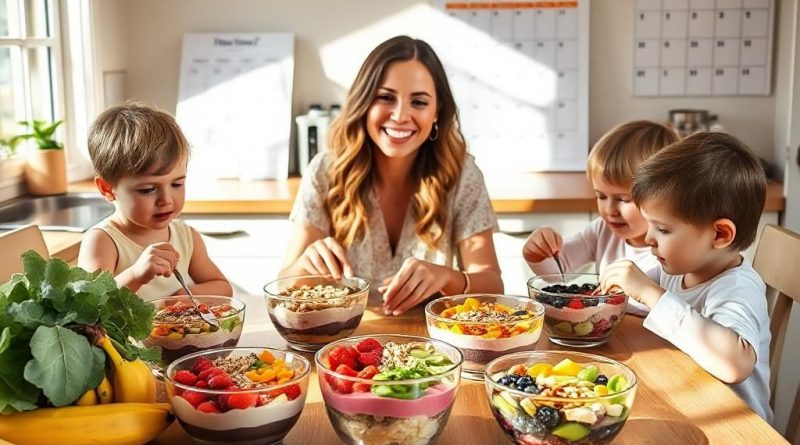
Nourishing postpartum smoothie bowls for every season on a budget.
Affordable Postpartum Smoothie Bowls for Every Season: Nourish Your Body on a Budget
Congratulations, mama! You've just embarked on one of life’s most rewarding journeys, and while your focus might be wholeheartedly on your little one, it's equally essential to care for yourself during this transformative time. Enter affordable postpartum smoothie bowls—an ideal solution to nurture your body with all the nutrients you need while keeping your budget in check and your meal prep simple.
This guide will take you through the vital aspects of postpartum nutrition, provide you with a solid framework for crafting budget-friendly smoothie bowls, and dive deep into seasonal variations to keep your meals exciting year-round. Whether you’re days postpartum or months into motherhood, these easy recipes are here to support your recovery and lactation needs without adding to your stress.
Why Postpartum Nutrition Matters More Than You Think
Your body has just completed a remarkable journey of creating and delivering life. This process results in significant physical changes and demands for recovery. Proper postpartum nutrition is crucial for several reasons:
- Physical Recovery: After childbirth, your body requires essential nutrients to heal any tissues and replenish lost nutrients like blood.
- Energy Levels: With sleepless nights and the demands of caring for a newborn, energy-boosting nutrition becomes vital.
- Breastfeeding Support: If you choose to breastfeed, the right foods can enhance your milk supply and quality, ensuring your baby gets the best.
- Mood Regulation: Nutritional deficits can affect your mental health, making it important to eat well for emotional balance.
Key nutritional needs during this time include iron, protein, calcium, fiber, healthy fats, and hydration. Smoothie bowls—packed with a variety of ingredients—can help you meet these requirements efficiently:
- Iron: Important for replenishing blood loss post-delivery. Good sources include leafy greens, lentils, and fortified cereals.
- Calcium: Essential for bone health, especially if you're nursing. This can be found in dairy products or fortified plant-based options.
- Protein: Needed for tissue repair. Options range from dairy, legumes, nuts, and seeds.
- Fiber: Crucial for digestive health as your body adjusts post-birth. Fruits, vegetables, and whole grains pack a fiber punch.
- Healthy Fats: These support hormone regulation and can be found in foods like avocados and nut butters.
- Hydration: Essential to counteract fluid loss during labor and breastfeeding.
With these nutritional needs in mind, it becomes clear why postpartum smoothie bowls are a perfect match—offering versatility and convenience while ensuring you receive vital nutrients.
The Budget-Friendly Smoothie Bowl Formula
Creating affordable postpartum smoothie bowls is all about understanding a basic formula that allows for adaptation based on what you have on hand or what's in season:
- Liquid Base (½-1 cup): This is the foundation. Consider options like almond milk, coconut water, or even plain water.
- Frozen Fruit (1-1½ cups): Frozen produce is often cheaper and blends to create a creamy texture, preventing the need for added sugars.
- Protein/Fat Source (1-2 tbsp): Think nut butters, seeds, or yogurt, which are essential for keeping you fuller longer.
- Superfood Boosters (1-2 tsp): Add ingredients like flaxseed, chia seeds, or spirulina for an extra nutrient kick.
Why focus on frozen fruits? They're typically more affordable than fresh ones, as they can be bought in bulk and stored for longer without spoilage. Plus, they retain most of their nutritional value, providing a rich source of vitamins and minerals. According to registered dietitian and lactation consultant Katie Kimball, "Frozen produce is picked at the peak of ripeness and flash-frozen, preserving nutrients."
Seasonal Smoothie Bowl Guide: Year-Round Postpartum Nutrition
Smoothie bowls offer the flexibility to adjust flavors and nutrient profiles according to the seasons. Here’s a breakdown of affordable postpartum smoothie bowls inspired by each season:
Spring Smoothie Bowls
As spring emerges, it’s time for lighter, refreshing ingredients that help the body detoxify after winter:
– **Budget-Friendly Spring Bowl**:
– 1 cup frozen pineapple (often on sale in spring)
– ½ frozen banana
– 1 cup fresh spinach (inexpensive during this season)
– ½ avocado (use half for the smoothie, save the other half)
– ¼ cup oat milk
– Toppings: sliced strawberries, pumpkin seeds
Why it works for postpartum: Spinach is rich in iron and folate, while avocado provides healthy fats which are vital for hormone balance post-birth. Pineapple contains bromelain, known for its anti-inflammatory properties, which can help reduce swelling.
Summer Smoothie Bowls
With summer’s bounty of fresh fruits, it’s an amazing time to indulge in hydrating smoothie bowls:
– **Budget-Friendly Summer Bowl**:
– 1 cup mixed frozen berries (like strawberries, blueberries, raspberries)
– ½ cup frozen cherries
– 1 frozen banana
– 2 tbsp hemp seeds
– ¼ cup coconut water
– Toppings: sliced peaches, coconut flakes
Pro tip: Buying berries in bulk during their peak season and freezing them yourself can save you a substantial amount compared to purchasing pre-frozen packages. Cherries are not only flavorful but also packed with antioxidants, aiding your recovery.
Fall Smoothie Bowls
As the days become cooler, your ingredients should offer warmth and comfort:
– **Budget-Friendly Fall Bowl**:
– 1 cup frozen apple chunks
– ½ cooked sweet potato (potential leftover from dinner)
– 1 frozen banana
– 1 tbsp almond butter
– ½ tsp cinnamon
– ¼ cup oat milk
– Toppings: chopped pecans, granola
Postpartum perk: Sweet potatoes are a great source of vitamin A, supporting skin healing, which is particularly beneficial if you've experienced tearing during delivery. Cinnamon helps regulate blood sugar levels, making this smoothie both nourishing and stabilizing.
Winter Smoothie Bowls
As winter sets in, focus on warming ingredients that boost immunity:
– **Budget-Friendly Winter Bowl**:
– 1 cup frozen mango
– ½ cup frozen cauliflower rice
– 1 frozen banana
– 1 tbsp chia seeds
– ¼ cup almond milk
– 1 tsp ginger (fresh or powdered)
– Toppings: cacao nibs, walnuts
Why it works: Mango provides much-needed vitamin C for immunity, while cauliflower adds creaminess and delivers fiber without changing the flavor profile. Ginger is excellent for digestion, which is often a concern postpartum.
Must-Have Postpartum Power Ingredients (And Affordable Substitutes)
For optimal postpartum recovery, certain ingredients make a remarkable impact. Below you'll find must-have items along with ways to keep costs low while achieving maximum nutrition:
-
For Lactation Support:
- Brewer's yeast (½-1 tsp): Known to enhance milk supply. Look to bulk purchases from health food stores to save money.
- Oats (¼ cup): Commonly used as a lactation aid. Regular rolled oats are just as effective as specialty "lactation oats."
- Flaxseed (1 tbsp): Offers phytoestrogens that can aid hormone levels. Buying whole seeds and grinding them as needed is both fresh and cost-effective.
-
For Recovery:
- Dark leafy greens (1-2 cups): Opt for spinach or kale for essential minerals. Purchasing frozen greens in bulk is usually cheaper and ensures you always have them available.
- Berries (1 cup): When fresh berries are costly, frozen options are a great substitute rich in antioxidants.
- Avocado (¼): Great for hormone health. Buy in bulk when in season and freeze extras for later use.
-
For Energy:
- Banana (½-1): Provides natural sugars and potassium. Freeze overly ripe bananas to avoid waste.
- Nut/seed butters (1 tbsp): For sustained energy. Consider making your own from bulk nuts to lower costs.
Transitioning into motherhood is a whirlwind, and prioritizing self-care with affordable and nourishing meals like smoothie bowls can play a crucial role in your recovery journey. Not only will you regain your strength, but you'll also find joy in creating these delicious, nutritious meals for yourself.
Step-by-Step: Building Your Perfect Postpartum Smoothie Bowl
Creating the ideal affordable postpartum smoothie bowl takes just minutes and can be tailored to fit your specific tastes and nutritional needs. Follow this simple method to assemble your delicious creation:
- Prep your blender: Start by pouring your chosen liquid base (½ cup to 1 cup) into the blender to help ingredients blend smoothly.
- Add soft ingredients first: This includes any greens, fresh fruit, yogurt, or nut butters. These items help establish a smooth consistency.
- Layer frozen ingredients: Place your frozen fruit or other solid ingredients on top of the soft ingredients.
- Include boosters: Add your protein source (like nut butter or seeds) and any superfood powders you wish to use.
- Blend strategically: Start blending on a low setting, gradually increasing the speed to high until all ingredients are thoroughly mixed.
- Check consistency: A well-made smoothie bowl should be thick enough to hold its shape when topped but still easy to eat with a spoon. If it’s too thin, add more frozen fruit; if it’s too thick, add a splash of liquid.
- Pour and top: Transfer your blended smoothie into a bowl immediately, then add your favorite toppings.
Pro tip: Experiment with toppings like nuts, seeds, granola, or fresh fruit to keep your smoothie bowls exciting and nutrient-dense.
5 Common Smoothie Bowl Mistakes New Moms Make
Starting a new routine with smoothie bowls can come with some pitfalls. Avoid these common mistakes to make the most of your postpartum smoothie experiences:
- Overloading on sweeteners: It’s easy to reach for added sugars, but your body is naturally sensitive to blood sugar fluctuations in the postpartum period. Emphasize the natural sweetness of your ingredients instead.
- Using too much liquid: This is a frequent reason why smoothie bowls end up being too thin. Start with a small amount of liquid and adjust as needed.
- Skipping protein/fat: These components are essential for satiety. Always ensure you include at least one protein or fat source to keep you full between feedings.
- Buying expensive superfood powders: While superfoods are great, they’re not mandatory. Whole foods often offer more nutrition than fancy supplements. Focus on obtaining essential nutrients from fruits and vegetables.
- Not prepping ahead: Smoothie bowls can be prepared in advance! Prepping can save you time and energy, especially on those particularly long days.
Meal Prep Strategies for Busy Postpartum Moms
With a newborn in the house, time is often a luxury. Here are some meal prep strategies to help you stay on track with your postpartum smoothie bowl routine:
- Freeze smoothie packs: Portion ingredients into freezer bags (excluding the liquid) for a quick grab-and-blend solution.
- Batch-prep bases: Prepare large quantities of nut milk or seed pudding, so you always have a liquid base ready to go.
- Double recipes: When making roasted vegetables or grains, prepare double the quantity to include in smoothies.
- Use ice cube trays: Freeze portions of ingredients like avocado, greens, or even breast milk to simplify adding them to your bowls.
- Keep emergency packs: Store 2-3 prepped smoothie bags in your freezer for those especially hectic days.
Sarah Remmer, a registered dietitian and postpartum specialist, encourages new moms to use naptime wisely. “It doesn’t take long to prep ingredients. Even ten minutes can make a significant difference during your busiest times,” she says.
Frequently Asked Questions About Postpartum Smoothie Bowls
Addressing common questions can help you feel more confident in your smoothie bowl journey:
Q: How soon after delivery can I start drinking smoothie bowls?
A: Most women can begin consuming smoothie bowls immediately after delivery, with doctor’s approval. Start with simple ingredients and gradually add complexity as your digestion stabilizes.
Q: What are the best ingredients for increasing milk supply?
A: While no single food guarantees increased supply, many moms find success with oats, brewer’s yeast, flaxseed, and fenugreek. Consistently incorporating these ingredients into your smoothies may help.
Q: Can I make smoothie bowls while following specific postpartum diets (like keto or vegan)?
A: Absolutely! For a keto option, focus on incorporating more healthy fats (avocado, coconut) and minimizing fruit. For a vegan approach, choose plant-based milks and protein sources. The versatility of smoothie bowls allows for adjustments based on your specific dietary needs.
Q: How many smoothie bowls should I eat per day postpartum?
A: Listen to your body! Many new moms find that 1-2 smoothie bowls daily, either as breakfast or a snack, provides adequate nutrition and energy without overcomplicating meal planning.
Q: Are smoothie bowls better than regular smoothies postpartum?
A: For many new moms, yes. The thicker consistency often encourages slower eating, promoting better digestion and fostering awareness of hunger and fullness cues—especially useful as you adjust to your new feeding rhythm.
Your Postpartum Nutrition Journey Starts Now
Embracing affordable postpartum smoothie bowls is more than just a dietary choice; it's an essential act of self-care during one of life's most transformative times. By utilizing seasonal ingredients, smart shopping methods, and the straightforward formula outlined in this guide, you can nourish your body effectively without overwhelming your budget or schedule.
Remember, it doesn't need perfection—starting with a simple base of frozen banana, spinach, and almond milk can yield significant benefits for your health and well-being. As you explore the world of smoothie bowls, know that each nourishing bite supports not just your recovery but also your overall experience as a new mother.
So grab those freezer bags, portion your favorite ingredients, and embark on this nourishing journey. Your body—and your baby—will thank you every step of the way.