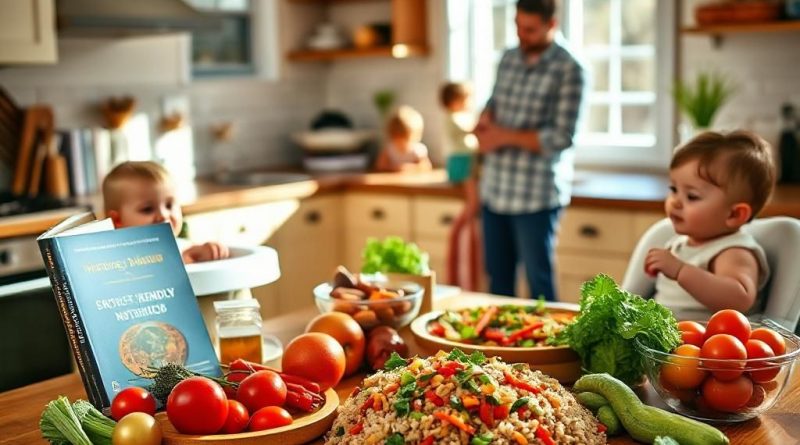
Nourishing budget family dinners for postpartum recovery you’ll love.
Budget Family Dinners That Promote Postpartum Recovery: Nourish Yourself Without Breaking the Bank
If you're a new mom navigating the early days with a baby while trying to heal, you might feel overwhelmed by the need to focus on recovery and the demands of family meals. Postpartum recovery isn't just about resting; it requires strategic nutrition to help heal your body, boost your energy, and support breastfeeding if you choose to do so. Luckily, you don’t have to splurge on expensive ingredients or elaborate meal plans to nourish yourself and your family. Let's explore how you can create budget family dinners that promote postpartum recovery with simple, affordable, and nourishing ingredients.
Why Postpartum Nutrition Matters (And Why It's Hard on a Budget)
After childbirth, the body goes through significant changes and demands a variety of nutrients to recover effectively. Key nutrients that are often highlighted include:
- Protein: Essential for tissue repair and recovery, protein helps recover from the physical strains of childbirth while also being critical for milk production if breastfeeding.
- Iron: Particularly important after blood loss during delivery, iron replenishment is crucial for energy levels.
- Omega-3 Fatty Acids: These healthy fats support mood and brain health, both vital during the postpartum period.
- Vitamins and Minerals: Vitamins A, C, and various B vitamins play roles in immunity, mood stabilization, and overall health.
However, for many new mothers, balancing the necessity of wholesome meals with budget constraints can be challenging:
- Time Constraints: New moms often find themselves without time to cook elaborate meals as they manage feedings, diaper changes, and sleep deprivation.
- Financial Pressures: With new expenses coming from baby needs and medical bills, budgeting for nutritious meals can feel overwhelming.
- Family Needs: Preparing meals that not only cater to postpartum nutritional needs but also satisfy the entire family can create additional pressure.
Recognizing the importance of nutrition during this healing period is key. With strategic planning and budget-friendly meal ideas, you can support your recovery while also providing nourishing meals for your family.
The Budget-Friendly Postpartum Plate: What to Prioritize
When creating budget family dinners that promote postpartum recovery, prioritize the following components to maximize nutrition without overspending:
Protein Powerhouses
- Eggs: An affordable source of protein providing 6g of protein per egg, they also feature choline, important for brain development.
- Canned Fish: Tuna or salmon are affordable sources of omega-3 fatty acids, which support mood.
- Ground Turkey: Often cheaper than beef, it provides lean protein and essential B vitamins.
- Legumes: Beans and lentils are inexpensive, nutritious, and packed with protein and fiber, costing as little as $0.10-$0.20 per serving.
Healing Broths
Bone broth is a fantastic way to provide collagen, which aids in tissue repair. By saving chicken carcasses or other bones and simmering them with vegetables and spices like ginger and turmeric, you can create a nutritious base for soups and stews at virtually no cost.
Complex Carbohydrates
Incorporating complex carbs is essential for energy:
- Oats: Great for breakfast, providing magnesium and fiber.
- Sweet Potatoes: Packed with vitamin A, which is crucial for immunity, and breast milk production.
- Whole Grains: Quinoa and brown rice can be filling and nutritious.
Colorful Vegetables
Don’t overlook the importance of vegetables. Frozen options like spinach, carrots, and bell peppers are often less expensive than fresh ones and provide essential vitamins while minimizing spoilage risk. Warming vegetables, like root veggies, not only store well but are essential in many traditional healing practices for postpartum recovery.
7 Budget Family Dinners That Promote Postpartum Recovery
Here are some family-friendly dinner ideas that are both budget-conscious and high in nutrition:
1. One-Pot Lentil & Vegetable Soup ($2.50/serving)
Lentils offer high protein and iron content, making them perfect for recovery. Add in frozen carrots and tomatoes for additional nutrients.
2. Sheet Pan Chicken & Root Vegetables ($3/serving)
Roast budget-friendly chicken thighs with a mix of root vegetables for a nutritious meal. This dish packs a powerful punch for recovery, with added bonuses from warming spices.
3. Black Bean & Sweet Potato Chili ($1.75/serving)
Combining the fiber from black beans and the vitamin A from sweet potatoes, this chili not only fills you up but also serves as a great meal prep option.
4. Frittata Freezer Packs ($1.50/serving)
Eggs serve as the base, mixed with a variety of veggies, providing a high nutrient meal that can be frozen for later use—perfect for breakfast or dinner.
5. Coconut Chicken Curry ($2.75/serving)
Featuring budget-friendly ingredients like frozen veggies and homemade curry spice, this dish is a warming option packed with nutrients that support milk production.
6. Turkey & White Bean Soup ($2/serving)
A hearty blend of ground turkey and white beans provides protein and fiber, making it a wholesome pick-me-up post-delivery.
7. Quinoa & Roasted Vegetable Bowls ($2.25/serving)
A perfect vehicle for using up any seasonal vegetables, quinoa offers a complete protein source while combining with roasted veggies creates a diverse meal.
Smart Meal Prep Strategies for Postpartum on a Budget
Meal prepping can feel daunting, but with some basic strategies, you can simplify the process:
Batch Cooking Like a Pro
Spend a couple of hours on the weekend to batch cook. Prepare bases like bone broth or large portions of grains, and ensure you always have proteins ready to heat.
Freezer-Friendly Packaging Hacks
Invest in some good freezer-proof containers, and portion out meals or meal components for quick access. Using muffin tins can help freeze small servings of soups or casseroles easily.
Repurpose Leftovers Strategically
Get creative with what you have left from meals. Use chicken leftovers for salads, or turn vegetable soup into a sauce for pasta.
Common Postpartum Meal Mistakes (And How to Avoid Them)
Skipping Protein
Protein is crucial for recovery. Keep an assortment of protein sources on hand for easy access—consider canned tuna or pre-boiled eggs.
Forgetting Hydration
Breastfeeding requires additional hydration. A marked water bottle can be a helpful reminder to sip throughout the day.
Overcomplicating Meals
Simple meals often are the most nourishing. Consider making "dump and cook" slow cooker meals that involve minimal prep work but deliver delicious and nutritious results.
Ignoring Warming Foods
Postpartum recovery benefits from warming foods that help with digestion and energy levels. Incorporate warming spices like ginger and cinnamon to enhance your meals.
By focusing on just a few small changes in your cooking and prep habits, you can create meals that not only support your postpartum recovery but also accommodate your family’s dietary needs without breaking the bank. In the following section, we will dive deeper into specific meal prep techniques and answer some common questions around postpartum nutrition to help you thrive during this critical time.
Smart Meal Prep Strategies for Postpartum on a Budget
With the right meal prep strategies, you can significantly ease the stress of cooking during the postpartum period. Here are some practical tips to streamline your cooking process while keeping costs low:
Batch Cooking Like a Pro
- Set a Weekly Cooking Day: Dedicate a few hours each week to batch cooking. Prepare large quantities of soups, stews, or casseroles that can be portioned and frozen.
- Use Simple Ingredients: Stick to a base of easy-to-cook ingredients like beans, lentils, and frozen vegetables. For example, simmer a big pot of bone broth using leftover chicken bones and vegetable scraps.
- Make One-Pot Meals: Embrace the simplicity of one-pot meals, which reduce cleanup time and allow for a variety of nutrients in one go.
Freezer-Friendly Packaging Hacks
- Label Your Meals: Clearly label containers with the dish name and the date of freezing. This will help you keep track of what needs to be eaten first.
- Use Silicone Molds: For items like broth or mashed veggies, consider using silicone molds to freeze small portions. Once frozen, pop them into freezer bags for easy access.
- Portion Control: Freeze individual servings for quick meals. This is especially helpful when you need a nutritious option but don’t have time to cook.
Repurpose Leftovers Strategically
- Creative Use of Ingredients: Leftover roasted chicken can easily become the filling for sandwiches, salads, or enchiladas. Don’t let leftovers go to waste—get inventive!
- Transform Soups into Dips: If you have extra soup, purée it to use as a sauce for pastas or a dip for whole-grain crackers.
- Mix and Match: Combine different leftovers into grain bowls or wraps. Using quinoa, rice, or grains as a base, add whatever proteins and vegetables you have available.
Common Postpartum Meal Mistakes (And How to Avoid Them)
Skipping Protein
Many new moms inadvertently skip protein due to time constraints. The body requires adequate protein for recovery, so make it a priority. Here are some fixes:
- Quick Protein Sources: Stock up on foods like yogurt, cottage cheese, and canned beans that require no prep time.
- Frequent Snacks: Incorporate quick snacks in-between meals such as nut butter with whole-grain crackers, or hard-boiled eggs to keep your protein intake consistent.
Forgetting Hydration
Staying hydrated post-birth is crucial, especially for breastfeeding moms who require more fluids. Here’s how to avoid dehydration:
- Tracking Intake: Keep a water bottle near your nursing station with measurements marked on the side to monitor how much you drink throughout the day.
- Infuse Your Water: Adding fresh fruits or herbs to your water can enhance flavor and encourage you to drink more.
Overcomplicating Meals
The urge to create elaborate meals can lead to stress and skipped meals. Simplify your approach:
- Master a Few Recipes: Get comfortable with a few staple recipes that can be easily prepared with your preferred ingredients.
- Use Your Slow Cooker: Slow cookers can be a lifesaver for new moms. Just add the ingredients in the morning, set it, and let it do the work while you focus on your baby.
Ignoring Warming Foods
Traditional practices in various cultures emphasize the importance of warming foods for postpartum recovery. Here are some tips to incorporate warming elements into your meals:
- Spice it Up: Include warming spices like ginger and turmeric in your cooking. Not only do they add flavor, but they also have anti-inflammatory properties that aid recovery.
- Choose Soups and Broths: Hot broths and soups can be comforting and provide hydration while delivering essential nutrients.
FAQs About Budget Postpartum Meals
What’s the most important nutrient to focus on postpartum?
Protein is critical—aim for 70-100g daily. It repairs tissues, supports milk production, and stabilizes blood sugar. Budget sources include eggs, beans, and chicken thighs.
How can I meal prep when I barely have time to shower?
Start small—try dedicating just two hours on the weekend for batch-cooking components (broth, proteins, grains) rather than complete meals. Even preparing three freezer meals can make a huge difference in your week.
Are there specific foods that help with postpartum mood?
Yes! Foods high in omega-3s (salmon, walnuts), magnesium (spinach, avocado), and B vitamins (eggs, lentils) are known to support mood regulation. Aim to include at least one mood-boosting food at each meal.
Can I really afford bone broth on a budget?
Absolutely—it’s virtually free if you save kitchen scraps. Keep a freezer bag ready for vegetable ends, herb stems, and meat bones to make a nutritious broth by simmering them in water with a bit of apple cider vinegar.
Your Postpartum Nutrition Action Plan
Supporting your postpartum recovery doesn’t have to drain your wallet or your energy. By prioritizing smart meal prep and keeping a focus on nutrient-dense foods, you can create a sustainable and nourishing eating plan tailored to your needs.
Start by making small, manageable changes this week. Whether it’s committing to batch cooking a soup or experimenting with a new recipe, take one step at a time. Remember, your well-being is essential not just for you, but for your family too. In nurturing yourself with affordable, nutritious meals, you empower yourself to embrace motherhood with strength and vitality. Prioritizing your nutrition is an act of self-care that sets the stage for a joyful and healthy journey through the fourth trimester and beyond.