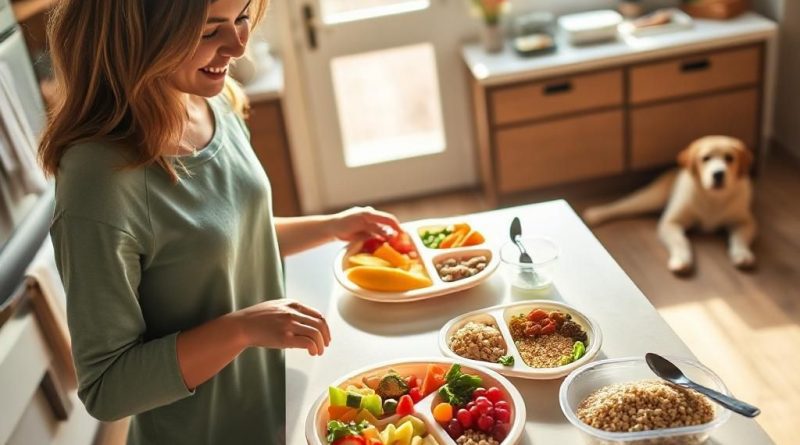
Mastering portion sizes for toddler meal prep made easy.
How to Adjust Portions When Meal Prepping for Toddlers: A Practical Guide
Meal prepping for toddlers can often feel like navigating a maze. With small appetites and ever-changing preferences, figuring out the right portion sizes can be challenging for parents. The key to making mealtime more enjoyable lies in understanding toddler portion sizes and how to adjust them to fit their nutritional needs and appetites. This guide will explore the fundamentals of toddler nutrition, the science behind portion sizes, practical steps for meal prepping, and common mistakes to avoid.
Understanding Toddler Portion Sizes: The Basics
The world of toddler portion sizes isn’t as simple as it may seem. Unlike adults, toddlers have smaller stomachs and varying appetite levels. According to the American Academy of Pediatrics, "portion size for toddlers should be about 1/4 the size of an adult portion." This means what you might consider a snack may constitute a full meal for your little one.
Research from the Infant and Toddler Forum highlights the significance of portion sizes: "Use our portion size ranges as a guide on how much to offer your 1-4 year olds, then allow children to eat to their appetite." Implementing this "parent provides, child decides" approach can not only mitigate mealtime stress but also cultivate healthy eating habits in toddlers.
The Science Behind Toddler Nutrition Needs
To effectively plan and adjust portions during meal prep, it’s essential to understand the nutritional requirements of toddlers. They need a balanced diet that includes all five food groups: fruits, vegetables, grains, protein, and dairy. Here’s a basic breakdown of their daily nutritional needs:
- Fruits: 1 cup (1/4 to 1/2 cup per serving)
- Vegetables: 1 cup (1/4 to 1/3 cup per serving)
- Grains: 3-4 ounces (1/4 to 1/2 slice of bread or 1/3 to 1/2 cup of cooked pasta/rice)
- Protein: 2-3 ounces (approximately 1-3 tablespoons of meat or alternative sources)
- Dairy: 2 cups (1/2 cup milk or yogurt per serving)
These guidelines clarify how much food toddlers require without overwhelming their small appetites. Remember, meal planning is also about varying flavors and textures, which can help keep your toddler interested in their meals.
Step-by-Step: How to Adjust Portions for Meal Prepping
Adjusting portions for meal prepping might feel daunting at first, but following these steps can streamline the process:
Step 1: Plan for Multiple Meals
Toddlers require small, frequent meals throughout the day. Aim for three main meals and 2-3 snacks daily. To get started:
- Create a grocery list based on your meals.
- Divide the list into daily portions, factoring in snacks.
- Adjust based on your child’s appetite; some days they may eat more than others.
Step 2: Measure Once, Portion Multiple Times
To save time, measure your cooked food to portion out later:
- Cook a big batch of grains or proteins (like chicken or beans).
- Measure the total amount using cups or a scale.
- Divide into appropriate portions based on your toddler portion cheat sheet.
- Store individual servings in labeled containers.
Step 3: Visual Measurements for Busy Days
When in a rush, it helps to have visual references instead of measuring cups:
- Protein: Portion should be about the size of your toddler’s palm.
- Fruits: A serving should be roughly the size of their fist.
- Cheese: Should be about the size of two dice.
Step 4: Adapt for Age and Appetite Changes
Keep in mind that what worked yesterday may not apply today. As your toddler grows, so too should their portion sizes:
- 12-18 months: 1 tablespoon per food item.
- 18-24 months: 2-3 tablespoons.
- 2-3 years: 3-4 tablespoons.
Flexibility is crucial; each child’s appetite can fluctuate daily. The Nationwide Children's Hospital advises that you should not compel your toddler to "clean" their plate, as this may lead to unhealthy eating patterns in the long run.
Toddler Portion Size Charts by Food Group
To streamline meal prep and portion adjustments, here’s a handy portion size chart based on the food groups:
| Food Group | Serving Size |
|---|---|
| Fruits | 1/4 to 1/2 cup chopped/cooked |
| Vegetables | 1/4 to 1/3 cup cooked/chopped |
| Proteins | 1-3 tablespoons of meat, 1 egg |
| Grains | 1/4 to 1/2 slice of bread, 1/3 cup cooked grains |
| Dairy | 1/2 cup milk or yogurt |
| Fats | 1 teaspoon butter or oil |
These measurements serve as a guide and can be adjusted based on your child's feedback and needs.
Common Mistakes to Avoid When Meal Prepping for Toddlers
While many well-meaning parents make a few common mistakes when meal prepping for their toddlers, awareness can help prevent these pitfalls:
Mistake #1: Overestimating Portion Sizes
A common error is serving adult-sized portions to toddlers. The Healthy Eating Research guide recommends offering protein sizes about the size of three dice for optimal nutrition without waste.
Tip: Measure separately to avoid confusion and provide just enough that allows some room for variation.
Mistake #2: Forcing Toddlers to Finish Plates
Inducing a child to "clean" their plate can disrupt their natural appetite cues.
Tip: Encourage a healthy relationship with food by allowing your toddler to eat as much as they want from the provided options.
Mistake #3: Neglecting Texture and Size
Making food easy to eat is a crucial aspect often overlooked. Hard or overly large pieces can become choking hazards.
Tip: Always serve food in bite-sized portions appropriate for toddlers. Cutting foods into small pieces ensures that mealtime remains safe and enjoyable.
Mistake #4: Using Juices as Meal Replacements
Allowing toddlers to drink too much juice or milk can fill them up, preventing them from eating nutritious solid foods.
Tip: Limit milk to ½ cup (4 ounces) with meals and offer water as the preferred beverage throughout the day.
By recognizing and correcting these mistakes, you can create a more balanced, enjoyable, and stress-free mealtime experience for both you and your toddler.
Tools and Containers for Successful Toddler Meal Prep
Investing in the right tools can simplify meal prepping significantly. Consider using:
- Silicone ice cube trays: Ideal for freezing individual servings of proteins or fruits.
- Small containers: Perfect for snacks and portioning single servings.
- Measuring spoons and cups: Essential for accurately measuring portions.
- Food storage bags: Useful for freezing or refrigerating individual meals.
- Portion control plates: Help visually guide serving sizes for your toddler.
By incorporating these tools, you can enhance the efficiency and effectiveness of your meal prepping routine, ensuring you always have the right portion sizes ready to go.
As you embark on this meal prepping journey, remember the most critical piece of advice: be flexible and responsive to your toddler’s needs and preferences. By understanding portion sizes and being aware of their changing appetites, you’re setting the stage for healthier eating habits and more enjoyable family meals.
Your 3-Day Toddler Meal Prep Plan (With Perfect Portions)
Now that you have a solid understanding of portion sizes and common pitfalls to avoid, it’s time to put that knowledge into action with a realistic meal prep plan. Here’s a convenient 3-day meal prep blueprint that highlights breakfast, lunch, dinner, and snacks, all portioned appropriately for your toddler.
Day 1
Breakfast:
- ½ scrambled egg (pre-cooked and portioned)
- ¼ banana (sliced)
- 2 mini pancakes (about ¼ cup batter each)
- ½ cup milk
Morning Snack:
- ¼ cup apple slices (toss in lemon juice to prevent browning)
- 1 tablespoon peanut butter (for dipping)
Lunch:
- ⅓ cup quinoa
- 2 tablespoons ground turkey
- ¼ cup steamed mixed veggies (carrots, peas, or green beans)
- ½ cup milk
Afternoon Snack:
- ½ cup yogurt (plain or flavored)
- 2 tablespoons granola (for crunch)
Dinner:
- 2 tablespoons baked salmon
- ⅓ cup mashed sweet potato (can be prepared in bulk)
- ¼ cup cooked broccoli or cauliflower
- ½ cup milk
Day 2
Breakfast:
- ¼ cup oatmeal (cooked)
- 1 tablespoon maple syrup (optional)
- ¼ cup blueberries
Morning Snack:
- 2 small crackers (whole grain)
- 1 ounce cheese (diced)
Lunch:
- ¼ to ½ slice whole grain bread (for a mini sandwich)
- 1 ounce turkey or ham slices
- ¼ cup carrot sticks (softened)
Afternoon Snack:
- ½ small cucumber (peeled and sliced)
- ¼ cup hummus (for dipping)
Dinner:
- 2 tablespoons cooked chicken
- ⅓ cup rice (plain or with a little butter)
- ¼ cup peas or corn
- ½ cup milk
Day 3
Breakfast:
- 1 mini whole-wheat muffin (homemade or store-bought)
- ¼ cup diced strawberries
- ½ cup yogurt
Morning Snack:
- ¼ cup cottage cheese
- 1-2 baby carrots (cut into sticks)
Lunch:
- 2 tablespoons tuna salad (made with light mayo)
- ⅓ of a whole grain pita (cut into triangles)
- ¼ cup cherry tomatoes (halved)
Afternoon Snack:
- ¼ cup sliced kiwi
- 1 tablespoon nut butter (for spreading)
Dinner:
- 2 tablespoons ground beef (cooked and crumbled)
- ½ small baked potato (mashed)
- ¼ cup steamed green beans
- ½ cup milk
Tips for Successful Meal Prep
To ensure your meal prepping experience is smooth and efficient, consider these tips:
- Get Your Toddler Involved: Allow your child to help you with meal prep during the cooking process. This could include washing veggies, stirring batter, or even picking out their snacks. It creates a positive association with food.
- Use Colorful Containers: Invest in clear, colorful meal prep containers that are portioned for toddlers. Utilizing colorful containers can make the food more appealing and fun for your little ones.
- Batch Cooking: Whenever possible, batch cook grains, proteins, and vegetables. This reduces time in the kitchen during busy weekdays and ensures you have wholesome meals readily available.
- Rotate and Refresh: Change up the meals every week to keep them interesting. Try varying the fruits, veggies, or proteins to introduce new flavors and textures.
Essential Tools for Perfect Toddler Portions
To enhance your meal prepping experience, consider these essential tools:
- Silicone baking trays: Great for freezing single servings of food, especially for purees and soft foods.
- Small food storage containers: Ideal for snacks and portioned meal servings.
- Fun-shaped cookie cutters: Use them to create fun shapes with food to make meals more enticing.
- Measuring spoons and cups: Essential for accurate portioning, especially when starting out.
Understanding Nutritional Needs for Toddlers
As you prepare meals, keep in mind that toddlers' nutritional needs may vary and can change based on several factors, including age, physical activity, and growth spurts.
According to the American Academy of Pediatrics, here’s a reliable daily breakdown of nutritional needs for toddlers around 2-3 years old:
- Dairy: 2-2.5 cups (including whole milk, yogurt, and cheese)
- Grains: 3-4 servings (preferably whole grain)
- Fruits: 1 cup (fresh, frozen, or dried)
- Vegetables: 1 cup (variety is key, including leafy greens, orange, and red vegetables)
- Protein: 2-3 ounces of meat, poultry, fish, eggs, beans or nuts
- Fats and Oils: 3 servings (1 tsp oil, butter, or nut butters)
Use this information to align your meal prep with your toddler’s dietary requirements, ensuring balanced and nutritious meals.
Reading Your Toddler’s Hunger Cues
Understanding your toddler's hunger and fullness cues is crucial for appropriate portion adjustment. Every child is different, but some common signs include:
- Hungry: Will reach towards food, makes sounds of interest, or shows excitement at mealtimes.
- Full: Turns head away, pushes food away, or becomes distracted during meals.
Recognizing these cues helps you avoid force-feeding and allows your toddler to develop a healthy relationship with food.
Allowing your child to express their appetite actively can create a sense of autonomy and control over their meals, which is vital during these formative years.
Frequently Asked Questions About Toddler Portions
Q: How often should toddlers be eating?
A: Toddlers generally need three meals and 2-3 snacks per day to keep their energy levels up and meet their nutritional needs.
Q: My toddler eats very little some days. Should I worry?
A: It’s normal for toddlers to have fluctuating appetites. The key is to focus on their overall food intake over a week instead of single days. If you're concerned about nutrition or growth, consult your pediatrician.
Q: What if my toddler won’t eat new foods?
A: It can take several exposures (up to 10-15 times) for toddlers to accept a new food. Keep offering it without pressure, and try to introduce it in different forms or dishes.
Q: How can I ensure my toddler is getting enough calcium?
A: Incorporate a variety of dairy options, such as milk, yogurt, cheese, and fortified non-dairy alternatives. Leafy greens and fortified cereals are also excellent sources.
With these insights, tools, and strategies in hand, you're well-equipped to tackle meal prepping for your toddler with confidence. By creating consistent healthy meals in appropriate portions, you'll support their growth while cultivating positive food experiences. Enjoy this special mealtime journey together!