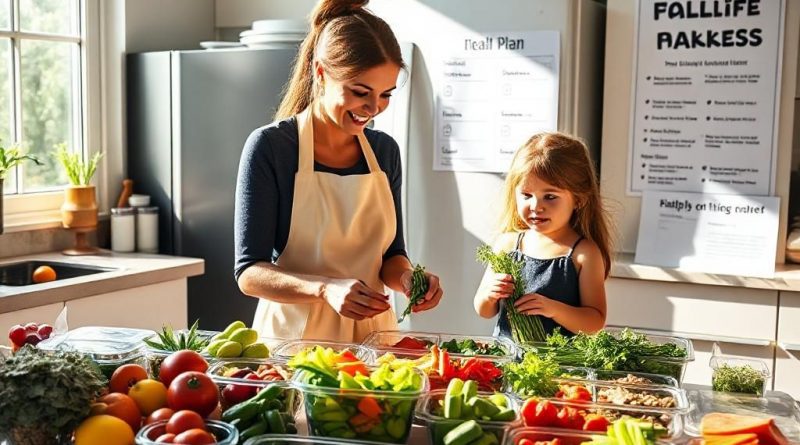
Master meal prep: Simple steps for a stress-free week.
How to Set Up a Weekly Meal Prep Routine That Sticks (Without Burning Out)
Have you ever found yourself staring at your fridge at 6 PM with nothing to eat except a sad wilted salad? Or perhaps you’ve spent a marathon cooking session on Sunday only to lose steam by midweek? Many people find meal prep intimidating or unmanageable, often leading to abandoned meal plans and a return to last-minute takeout. The key to a successful weekly meal prep routine is not about perfection or cooking every single meal for the week but creating a sustainable system that fits into your life.
In this guide, we’ll delve into how to develop a practical meal prep routine that saves you time, money, and stress while keeping your meals healthy and delicious. Perfect for busy professionals, parents managing hectic schedules, or anyone looking to simplify their weeknight dinners, this approach encourages a balanced routine without the burnout.
Why Your Past Meal Prep Attempts Probably Failed (And How to Fix It)
Let’s face it, many meal prep plans out there are set up for failure. Traditional advice typically presses you to cook every single meal for an entire week—often leading to overwhelming kitchens and spoiled food. According to research, a staggering 78% of people who try meal prepping throw in the towel within a month.
The downfall often lies not in your commitment but in misaligned expectations. Meal prep doesn’t need to be a rigid system filled with complicated recipes. It’s about finding a rhythm that aligns with your lifestyle and what you enjoy eating.
Common Pitfalls:
- Overambition: Cooking an entire week's worth of meals in one batch is a recipe for disaster if you have a busy life.
- Lack of Planning: Jumping into meal prep without a strategy often leads to chaos and frustration.
- Boredom: Repeating meals that you don't enjoy or that lack variety can quickly derail your motivation.
The Sustainable Shift: Start small—focus on prepping just three days’ worth of meals at a time. This manageable approach allows you to experiment without feeling overwhelmed, helping to build confidence in your meal prep ability.
The Foundation: Building Your Sustainable Meal Prep Routine
Every solid routine starts with a foundation. Here are the steps to craft a meal prep strategy that’s likely to stick:
Step 1: Plan Your Meals with Purpose (Not Pinterest Perfection)
Effective meal prep hinges on thoughtful planning. Skip the lengthy Pinterest scrolling and narrow it down to these streamlined strategies:
-
Establish Weekly Meal Themes: Assign themes to different days of the week. For example, "Meatless Monday," “Taco Tuesday,” or “Family Style Sunday.” This provides a framework that helps you approach the week without repeating the same meals repeatedly.
-
Use the Rule of 3: When planning meals, think in simple terms of one protein, one starch, and one vegetable per meal. This method ensures balanced nutrition without overcomplicating your cooking.
-
Recipe Rotation: Keep a list of 10-15 go-to recipes that utilize overlapping ingredients. This will save you time on shopping, cooking, and potentially reduce food waste. Nutritionists emphasize trying one new recipe each week while sticking to familiar favorites to keep things fresh.
Step 2: Smart Grocery Shopping Strategies
A successful weekly meal prep routine starts in the grocery store. Before making that trip, incorporate these smart strategies:
-
Inventory Check: Revisit your pantry and fridge to take stock of what you already have. This will help prevent overbuying and encourage using up ingredients.
-
Create a Shopping List: After determining what you need, write down your grocery list organized by categories (proteins, produce, pantry staples) to streamline your shopping experience.
-
Budget-Friendly Hacks: Focus on recipes that share common ingredients. This not only maximizes what you purchase but also minimizes waste.
Example Ingredients to Fill Your Cart:
- Proteins: Chicken, canned beans, eggs
- Grains: Quinoa, brown rice, whole grain pasta
- Produce: Seasonal vegetables and fruits (use in multiple recipes)
Step 3: Efficient Food Preparation
Transforming your food prep into a time-efficient system is essential for sustainability. Consider the following approach for a successful and speedy meal prep session:
Start with Your Longest Cooking Items:
- Preheat your oven for roasting vegetables.
- Use a slow cooker or Instant Pot for proteins.
- Cook grains simultaneously in a separate pot.
Multi-Task Effectively:
While the heavier items cook, tackle the following prep work:
- Chop vegetables for salads or stir-fries.
- Portion out snacks like nuts or yogurt.
- Prepare dressings or sauces to add flavor to your meals.
A Sample Power Session Structure:
- 10 minutes: Start the slow cooker with your protein.
- 10 minutes: Chop vegetables and place them on a baking sheet for roasting.
- 15 minutes: Cook grains in the Instant Pot.
- 15 minutes: Portion out salads, grain bowls, or snack containers.
- 10 minutes: Cool and pack everything into your storage containers.
Step 4: Proper Storage for Maximum Freshness
Proper storage of prepped meals is crucial to maintain freshness and avoid spoilage. Here are some guidelines to follow:
-
Follow the 4-Day Rule: Most foods are best consumed within 3-4 days of meal prep. This ensures you're eating them at their freshest and most flavorful.
-
Container Selection: Use glass containers that are microwave-safe. These are ideal for reheating without worrying about chemical leaching from plastics. Other options to consider:
- Compartmentalized containers: Excellent for keeping meal components separate.
- Mason jars: Perfect for salads—layer ingredients strategically to prevent sogginess.
-
Pro Tips for Storage:
- Label your containers with the contents and the date prepared.
- Cool foods completely before sealing containers to prevent condensation.
- Store dressings separately to keep salads crisp and fresh.
-
Freezer Strategy: Double batch your meals and freeze half for those weeks when you need a quick meal solution.
Step 5: Weekly Maintenance for Long-Term Success
Sticking with a meal prep routine is all about maintaining momentum during the week.
-
Midweek Check: Conduct a quick review of your remaining meals on Wednesday. This helps ensure you’re still on track and helps with planning for the rest of the week.
-
Sunday Reset Ritual: Allocate time on Sundays to look back at what went well and what didn’t over the past week, and plan your meals for the next week.
By building in flexibility and reviewing your system regularly, you will find that meal prepping becomes more natural and less of a chore.
Key Foundations for Sustainability:
- Focus on ingredient overlap.
- Keep meals appealing with variety and flexibility.
- Give yourself the freedom to adapt your plan as you learn what works best.
Essential Tools for Meal Prep Success
While elaborate gadgets may sound tempting, you don't need to invest heavily to start meal prepping. Focus on the essentials:
Must-Have Tools:
- Basic Knife Set: A sharp chef's knife is crucial for efficient food prep.
- Cutting Board: Invest in a quality board to save time on prep.
- Measuring Tools: Useful for maintaining portion control and accurate recipe execution.
Upgraded Tools for Convenience:
- Slow Cooker/Instant Pot: These appliances can drastically cut down cooking time and effort.
- Air Fryer: Perfect for quick, healthy meals and snacks.
Planning Resources:
Utilize free online meal planning templates or recipe apps to streamline your preparation process.
Creating a meal prep routine can lift a significant weight off your shoulders. By understanding what meal prep is truly about and gradually building your skills and confidence, you’ll find it not only benefits your health but enhances your overall quality of life. Efficient meal prepping unlocks more time, less stress over meals, and the joy of self-serving your health goals. As you embark on this journey, embrace the mess-ups and adjustments—they’re all part of the process.
In the second part of this guide, we will dive deeper into practical meal prep routines, addressing common mistakes, answering your frequently asked questions, and providing strategies to enhance your meal prep success further.
Real-Life Meal Prep Routines That Work
Now that we've covered the essentials of setting up a meal prep routine, let's explore some real-life examples that illustrate the concepts in action. These routines are tailored to specific lifestyles, showcasing how different individuals make meal prep work for their unique schedules and needs.
The Busy Professional (30 Minutes/Week)
For a busy professional, time is of the essence. This meal prep strategy focuses on prepping lunches and one dinner component:
- Sunday: Spend minimal time cooking quinoa, roasting seasonal vegetables, and portioning out grilled chicken.
- Daily: Assemble your lunches by mixing different proteins and veggies over prepped grains, maintaining variety without added effort.
- Thursday: Use the prepped chicken in a quick stir-fry with fresh vegetables—just a 10-minute cook time!
- Friday: Either enjoy leftovers or treat yourself to takeout, giving yourself a well-deserved break.
This method sticks because it offers maximum payoff with minimal daily effort—your lunches are covered all week, allowing more time for work or personal projects.
The Family Meal Prepper (60 Minutes/Week)
Family life can get hectic, but a well-designed meal prep plan can help ease the burden:
- Sunday: Focus on component prep. Cook ground turkey, chop vegetables, and prepare taco seasoning.
- Monday: Create “Tofu Bowls” using the prepped components paired with fresh rice.
- Tuesday: Set up a “Taco Bar” for dinner featuring the prepped ground turkey, allowing family members to customize their tacos.
- Wednesday: Prep a simple meal like salmon with the pre-roasted veggies—just a quick reheat required.
- Thursday: Utilize a quick Trader Joe’s meal or leftovers to maintain flexibility.
This routine sticks because it reduces overall cooking time during the week while promoting family bonding through shared meal prep and dinner themes.
5 Common Meal Prep Mistakes That Make You Quit
Despite good intentions, several common mistakes can derail your meal prep efforts. Here’s what to watch out for:
Mistake #1: Overcomplicating Your First Attempts
The fix: Begin with simple recipes that don’t require intricate techniques or multiple dishes. Focus on meals that contain a protein, a grain, and vegetables, like a hearty soup or casserole. Starting with a single-pot recipe will keep things manageable and satisfying.
Mistake #2: Ignoring Your Personal Preferences
The fix: Only prep foods you genuinely enjoy. If the thought of cold chicken salad makes you groan, don’t force yourself to eat it for lunches. Instead, choose proteins and meals that you’ll look forward to, making it easier to follow through.
Mistake #3: Not Accounting for Texture Changes
The fix: Be mindful of how different foods hold up over time. Keep things like crunchy toppings separate until serving. Deli meats can dry out, while some vegetables may wilt; store delicate items in separate containers until it’s time to eat.
Mistake #4: Poor Container Choices
The fix: Invest in quality, stackable containers that seal tightly to keep meals fresh. Avoid plastic containers that may transfer flavors or break easily—consider glass options for durability and reusability.
Mistake #5: Unrealistic Time Expectations
The fix: Schedule meal prep time on your calendar. Remember that most beginners can prepare enough meals for 3-4 days in under 60 minutes. Breakdown your prep into manageable pieces, allowing you the mental space to improve over time.
FAQs: Your Meal Prep Questions Answered
How many days should I meal prep for?
Start with 3 days to test the waters—this prevents food fatigue while you get comfortable with meal prep. Once you’re confident, gradually increase to 5 days.
What if I get bored eating the same thing?
Implement meal rotation and experiment with different sauces and herbs. Prep versatile components rather than complete meals, allowing different combinations while keeping it fresh.
How do I make meal prep affordable?
Shop seasonally, choose staples like beans or eggs that are budget-friendly, and maximize ingredient overlap for cost savings. Minimal waste translates to affordable meal prep.
Can I freeze meal prep?
Definitely! Most meals, including grains, proteins, and soups, freeze exceptionally well. Just ensure to cool them completely before freezing and label them for easy identification later.
How do I handle unexpected schedule changes?
Make backup plans by keeping frozen meals ready to go. Designate one night a week for takeout to relieve any last-minute pressure, and prioritize flexible meal concepts that can quickly adapt to your newfound schedule.
Make Meal Prep Work for You—Not Against You
The true beauty of a weekly meal prep routine lies in its potential to transform the way you approach cooking and eating. By understanding your unique needs and preferences and implementing a plan that adapts to those factors, you’ll find yourself enjoying your meals and feeling more in control of your health and wellness.
Simplicity is key when starting your meal prep journey. Focus on the core principles: aim for balance, manage time wisely, and keep it flexible. Remember, community amongst your family and friends can also help inspire you to stick with your regimen, as you share recipes and tips along the way.
Your next step: Identify one new dish or technique you want to try in your meal prep routine. Whether it’s a new recipe or an appliance you’ve been curious about, get creative and see how it can enhance your experience.
As you keep practicing, you’ll discover your unique rhythm and preferences, allowing meal prep to become an integral and enjoyable part of your weekly routine rather than a chore. The journey begins with that first prepared meal. Take a deep breath and give yourself permission to explore and adapt—finding that sweet spot of ease and satisfaction.