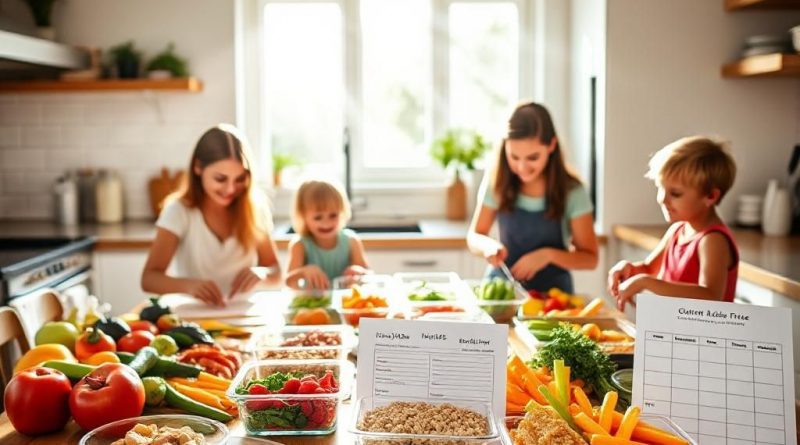
Master meal prep for gluten and dairy intolerances today.
The Stress-Free Guide to Gluten-Free Dairy-Free Meal Prep (That Actually Tastes Amazing)
If you're juggling gluten and dairy intolerances, you've probably felt the frustration of staring into your fridge wondering, "What can I actually eat?" You're not alone. Millions of Americans navigate these dietary restrictions daily—whether due to celiac disease, lactose intolerance, or simply choosing to eliminate these common irritants for better digestion. The good news? With smart gluten-free dairy-free meal prep strategies, you can transform your kitchen from a minefield of potential reactions into your personal sanctuary of safe, delicious food.
In this guide, you'll discover how to streamline your weekly cooking routine while avoiding cross-contamination, identifying hidden gluten and dairy sources, and creating meals that don't feel like punishment. Forget the days of boring chicken and steamed vegetables—your future self will thank you when you open the fridge to find vibrant, flavorful meals ready to grab and go.
Understanding Your Dietary Needs: Gluten vs. Dairy Intolerances
Before diving into meal prep, let's clarify what we're working with. Gluten intolerance (including celiac disease) means your body reacts negatively to proteins found in wheat, barley, rye, and sometimes oats due to cross-contamination. Dairy intolerance typically refers to lactose intolerance—the inability to properly digest milk sugar—but can also include casein or whey sensitivities.
According to the Celiac Disease Foundation, about 1% of Americans have celiac disease, while lactose intolerance affects approximately 36% of the U.S. population. The crucial difference? With celiac disease, even microscopic gluten exposure can damage your small intestine, while lactose intolerance generally causes uncomfortable but not tissue-damaging symptoms.
This distinction matters for your meal prep approach. If you have celiac disease, you'll need to be hyper-vigilant about cross-contamination in your kitchen. For lactose intolerance, you might tolerate small amounts of dairy or certain fermented dairy products.
Your Gluten-Free Dairy-Free Kitchen Setup Checklist
Dedicate Specific Zones and Tools
Start by creating physical separation in your kitchen. Designate specific shelves, drawers, or cabinets exclusively for gluten-free items—storing them higher up reduces contamination risk from airborne flour particles. As Christina Heiser of Celiac Self-Care recommends: "Dedicate specific shelves, drawers, or cabinets exclusively to gluten-free items. Storing these items on higher shelves can further reduce the chance of cross-contact."
Invest in separate kitchen tools:
- Color-coded cutting boards (red for meat, green for veggies, etc.)
- Separate toasters (gluten-free crumbs are nearly impossible to fully remove)
- Dedicated pots and pans for gluten-free cooking
- Separate condiment containers (regular store-bought jars often get contaminated with gluten-containing crumbs)
Deep Clean Before You Begin
Before your first gluten-free dairy-free meal prep session, thoroughly clean all surfaces, stovetops, and shared appliances. Pay special attention to crevices where crumbs might hide. The Gluten.org 4-Week Meal Plan emphasizes: "Before cooking, take the time to thoroughly clean all surfaces, including countertops, stovetops, and shared appliances. Always prepare gluten-free meals first to reduce the chance of residue transferring."
Your Step-by-Step Gluten-Free Dairy-Free Meal Prep System
Step 1: Master the Art of Smart Menu Planning
Theme your days to create predictability and simplify your prep schedule. Consider "Stir-Fry Mondays" or "Taco Tuesdays" to build muscle memory around your weekly routine. Bottle.com's nutrition guide suggests: "Theme Your Days to create predictability and simplify your prep schedules."
Focus on naturally compliant foods first:
- Vegetables and fruits (all fresh varieties)
- Lean proteins (chicken, turkey, fish, eggs)
- Naturally gluten-free grains (quinoa, rice, buckwheat, certified GF oats)
- Healthy fats (avocados, olive oil, nuts, seeds)
Strategically incorporate specialty items: "Use gluten-free breads, pastas, and dairy-free cheeses as premium add-ons or in one or two 'wow' dishes per week, rather than as the base of every meal," advises the Bottle.com guide.
Step 2: Batch & Assemble Like a Pro
Design meals that share components to maximize efficiency. For example:
- Cook a large batch of quinoa for grain bowls on Tuesday and as a side for roasted chicken on Thursday
- Grill multiple chicken breasts for salads at lunch and lettuce wraps for dinner
- Roast a variety of vegetables for different meals throughout the week
The Samsung Food 7-Day Meal Plan demonstrates this beautifully with their component approach: "Prepare the components separately and assemble in the morning for freshness. Store cooked eggs and chopped veggies in airtight containers for up to 2 days."
Step 3: Become a Label-Reading Ninja
This is non-negotiable for successful gluten-free dairy-free meal prep. Hidden gluten lurks in:
- Soy sauce (use tamari instead)
- Salad dressings
- Processed meats
- Seasoning blends
- Even some medications and supplements
Watch for these sneaky gluten sources:
- Hydrolyzed vegetable protein
- Malt and malt flavoring
- Modified wheat starch
- Brewer's yeast
For dairy, check for:
- Casein
- Whey
- Lactose
- Butter flavoring
- Nisin (a dairy-derived preservative)
The Mom's Meals guide warns: "Be sure you familiarize yourself with a list of gluten-containing foods. Foods containing wheat, rye, barley, oats and triticale are among the items to avoid."
Step 4: Smart Substitutions That Actually Work
Create a quick-reference substitution guide for your fridge:
| Instead of… | Use… | Pro Tip |
|---|---|---|
| Cow's milk | Almond, oat, or coconut milk | Use full-fat coconut milk (canned) for rich sauces |
| Butter | Vegan buttery sticks or coconut oil | Vegan sticks are great for baking |
| Regular pasta | Brown rice, quinoa, or lentil pasta | Lentil pasta adds a fantastic protein boost |
| Breadcrumbs | Crushed GF cereal or almond flour | Pulse gluten-free corn flakes for crispy coating |
| Cheese | Nutritional yeast or cashew cheese | Blend soaked cashews with lemon juice for creamy texture |
Step 5: Strategic Storage for Maximum Freshness
Not all containers are created equal for gluten-free dairy-free meal prep. Invest in:
- Glass containers with airtight seals (plastic can retain odors and flavors)
- Small containers for dressings and sauces (prevents cross-contamination)
- Freezer-safe bags for batch-cooked proteins and grains
Follow the Samsung Food plan's advice: "Store cooked eggs and chopped veggies in airtight containers for up to 2 days" and "Marinate the chicken the night before for maximum flavor. Cook extra chicken for future meals and store in the fridge for up to 3 days."
5 Must-Try Gluten-Free Dairy-Free Meal Prep Recipes
1. Rainbow Quinoa Power Bowls
Components to batch:
- Cook 2 cups quinoa
- Roast 2 sheet pans of mixed vegetables (sweet potatoes, bell peppers, broccoli)
- Prepare 4 grilled chicken breasts
- Make lemon-tahini dressing (tahini, lemon juice, garlic, water)
Assembly: Layer quinoa, veggies, and chicken in containers. Store dressing separately and add before eating.
2. Teriyaki Tofu Stir-Fry
Components to batch:
- Press and cube 2 blocks extra-firm tofu
- Make gluten-free teriyaki sauce (tamari, maple syrup, rice vinegar, ginger, garlic)
- Cook 3 cups brown rice
- Chop 4 cups mixed stir-fry vegetables
Assembly: Store components separately. When ready to eat, quickly stir-fry tofu and veggies with sauce, then serve over rice.
3. Southwest Chicken Salad Jars
Layer in mason jars:
- Bottom: GF ranch dressing (avocado oil-based)
- Next: Black beans and corn
- Middle: Chopped bell peppers and cherry tomatoes
- Top: Shredded chicken and mixed greens
Tip: Keeps fresh for 4 days. When ready to eat, shake jar and pour into bowl.
4. Buckwheat Pancakes (Yes, They're GF!)
Despite having 'wheat' in the name, buckwheat isn't related to wheat. Make a big batch on Sunday and freeze extras between parchment paper. Reheat in toaster for quick weekday breakfasts.
5. Harissa Vegetable & Quinoa Bowls
Roast root vegetables with harissa paste, serve over quinoa with a dollop of fermented coconut yogurt. This BBC Good Food favorite delivers gut-healthy benefits while keeping you full.
5 Costly Gluten-Free Dairy-Free Meal Prep Mistakes (And How to Avoid Them)
Mistake #1: Insufficient Planning
The number one error? Jumping in without a plan. As registered dietitian Isabelle Huot explains: "Without any planning, you end up eating grilled chicken breast and iceberg lettuce meal after meal, and that can get tiring really quickly."
Fix: Dedicate 20 minutes each Sunday to plan your meals. Use a template like:
- Monday: Stir-fry with prepped veggies and protein
- Tuesday: Grain bowls with batch-cooked components
- Wednesday: Soup or chili (freezes well)
- Thursday: Taco bar with pre-chopped toppings
- Friday: Leftover buffet
Mistake #2: Ignoring Cross-Contamination
Many people don't realize how easily gluten transfers. Using the same butter knife for regular and gluten-free bread, or dipping a spoon into regular soy sauce before adding to your GF meal, can trigger reactions.
Fix: Implement the "first is best" rule—always prepare gluten-free meals first when cooking multiple diets. Keep dedicated condiment containers and clean surfaces thoroughly between uses.
Mistake #3: Over-Reliance on Processed GF/DF Products
Gluten-free breads, pastas, and dairy alternatives can be expensive and often lack nutrients. Relying too heavily on these can break your budget and leave you nutritionally deficient.
Fix: Follow the 80/20 rule—80% of your meals should center around naturally gluten-free dairy-free whole foods, with 20% for specialty products.
Mistake #4: Inconsistent Portion Sizes
Especially important for those following low-FODMAP diets alongside gluten/dairy restrictions, inconsistent portions can trigger symptoms even with "safe" foods.
Fix: Use a food scale and measuring cups during initial meal prep. Check the Monash University app for serving size guidelines of low-FODMAP foods.
Mistake #5: Neglecting Nutrient Balance
Eliminating entire food groups requires attention to potential deficiencies. Common concerns include:
- Calcium (from dairy elimination)
- Vitamin D
- B vitamins (especially B12)
- Fiber
Fix: Incorporate nutrient-dense alternatives:
- Calcium: fortified plant milks, leafy greens, almonds
- B12: nutritional yeast, fortified plant milks, eggs (if tolerated)
- Fiber: chia seeds, flaxseeds, berries, sweet potatoes
Your Gluten-Free Dairy-Free Meal Prep FAQ
Q: How can I eat gluten-free dairy-free on a budget?
A: Focus on naturally compliant whole foods (beans, rice, seasonal produce) rather than specialty products. Buy in bulk when possible, and cook from scratch. As Clean Eatz Kitchen advises, “My top tip for gluten-free grocery shopping is to plan your meals in advance. That way you can save money by not buying expensive gluten-free products you don’t need.”
Q: Can I use the same kitchen as family members who eat gluten and dairy?
A: Absolutely, but you’ll need strict protocols. Dedicate specific tools and storage areas, clean thoroughly between uses, and prepare your meals first. In shared kitchens, “make sure all reheating equipment is thoroughly cleaned before use,” recommends Celiac Self-Care.
Q: How long can I safely store gluten-free dairy-free meals?
A: Most cooked meals last 3-4 days in the refrigerator. Soups, stews, and casseroles freeze well for up to 3 months. Always label containers with contents and date.
Q: What’s the biggest hidden source of gluten I should watch for?
A: Soy sauce is the most common culprit. Always use tamari (check label for gluten-free certification) instead of regular soy sauce. Also watch for malt vinegar, modified food starch, and “natural flavors” which can sometimes contain gluten.
Q: How do I handle dining out while maintaining my meal prep discipline?
A: Plan for one “flex meal” per week where you dine out. Research restaurants in advance, call ahead to discuss your needs, and don’t be afraid to ask detailed questions about preparation methods.
Your First Week Gluten-Free Dairy-Free Meal Prep Action Plan
Ready to transform your eating experience? Here’s your starter plan:
- Saturday evening: Dedicate 30 minutes to kitchen organization—create your gluten-free dairy-free zones and clean thoroughly.
- Sunday morning: Visit the grocery store with your planned menu and shopping list in hand (no impulse buys!).
- Sunday afternoon: Block 2 hours for meal prep:
- Cook 2 cups quinoa and 2 cups brown rice
- Roast 3 sheet pans of mixed vegetables
- Grill 4 chicken breasts and 1 block of pressed tofu
- Chop salad ingredients and store in separate containers
- Make 2 dressings/sauces (lemon-tahini and GF ranch)
- Monday-Friday: Assemble meals each morning or the night before, adding dressings just before eating.
Remember, perfection isn’t the goal—progress is. Your first week might feel overwhelming, but by week three, this will become second nature. The investment of a few weekend hours pays off with stress-free, safe meals all week long.
The most successful gluten-free dairy-free meal preppers don’t view their dietary restrictions as limitations but as an opportunity to explore new ingredients and flavors they might have otherwise overlooked. With these strategies in your toolkit, you’re not just avoiding problem foods—you’re building a sustainable, delicious eating pattern that supports your health and fits your lifestyle.
Unlocking the Flavor: Creating Tasty Gluten-Free Dairy-Free Meals
If you think that going gluten-free and dairy-free means sacrificing flavor, think again! The key to delicious meals lies in the variety of herbs, spices, and cooking techniques you employ. Here’s how to elevate your meal prep meals:
Embrace Bold Flavors
- Spices: Incorporate bold spices like smoked paprika, cumin, curry powder, and chili flakes to add depth to your dishes.
- Fresh Herbs: Don’t underestimate the power of fresh herbs. Parsley, cilantro, basil, and mint can brighten your meals and make them feel gourmet.
- Acid: A splash of lemon juice or vinegar can help balance flavors and enhance the overall dish.
Experiment with Different Cooking Methods
- Grilling: Grilling not only keeps your meats flavorful but also adds a nice char that enhances taste.
- Roasting: Roasting vegetables brings out their natural sweetness and gives a nice texture.
- Sautéing: Quick sautéing with garlic and olive oil can transform simple vegetables into a delicious side.
Healthy Fats Make a Difference
Incorporating healthy fats can enhance the taste and texture of your meals. Avocado, olive oil, nuts, and seeds not only provide flavor but also support nutrient absorption. Here are some ways to include healthy fats:
- Drizzle olive oil on salads as a dressing base.
- Add sliced avocado on top of grain bowls for creaminess.
- Sprinkle nuts or seeds over vegetable dishes for a satisfying crunch.
Meal Prep Container Essentials
The right storage containers can make a significant difference when it comes to meal prep. Here’s what to look for:
Types of Containers
- Glass Containers: They’re durable, easy to clean, and don’t stain. Plus, you can use them in the oven or microwave.
- Plastic Containers: Lightweight and easy to find, they’re great for packing lunches. Just ensure they are BPA-free.
- Bento Boxes: Perfect for portion control and variety, bento boxes help keep different food groups separate.
Features to Consider
- Leak-Proof: Avoid spills by choosing containers with secure lids.
- Airtight Seals: Ensure meals stay fresh longer by selecting containers with airtight seals.
- Freezer-Safe: If you plan to freeze meals, make sure the containers can withstand low temperatures without cracking.
Final Thoughts on Your Gluten-Free Dairy-Free Journey
Embarking on a gluten-free dairy-free meal prep journey doesn’t just mean avoiding certain ingredients—it’s about discovering an exciting world of flavors and healthy cooking techniques. Each step you take in preparing nutritious meals will lead you closer to a lifestyle that nourishes your body without compromising on taste. Remember, experimenting in the kitchen is part of the fun; don’t be afraid to try new recipes, flavors, and techniques until you find what works best for you.
As you grow more comfortable with your meal prep routine, remember to adjust it to your preferences and needs. Whether you’re cooking for one or a family, these strategies can help save time while ensuring you have tasty, nutritious meals ready to enjoy. So go ahead, embrace your gluten-free dairy-free life with confidence—you’ve got this!
Feel free to explore more easy meal prep ideas on our blog to continue your culinary adventure!