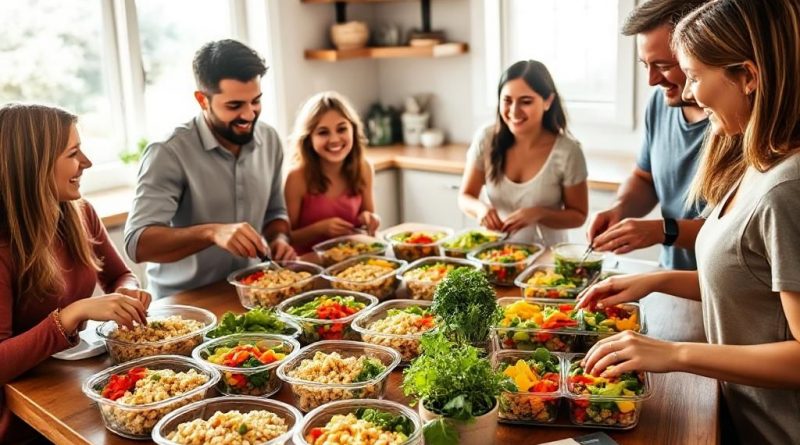
Keep meal prep fun and exciting for the whole family.
7 Fun & Fresh Tips to Keep Meal Prep Interesting for the Whole Family
Ever feel like dinner is on repeat, making you dread the hour spent in the kitchen? You’re certainly not alone! Studies reveal that a staggering 68% of parents feel bored with meal prep, making it one of the leading obstacles to maintaining a healthy diet at home. The good news? With a few creative strategies, you can flip the script and make meal planning a fun adventure for everyone in the family.
In this guide, we’ll dive deep into effective methods for keeping meal prep both interesting and inclusive. We’ll discuss how to involve kids in the process, rotate exciting themes, and introduce diverse ingredients—all while keeping it practical for your busy schedule. Whether you’re a meal prep novice or a seasoned pro, these tips will help you create a dynamic system that your family will look forward to.
Why Meal Prep Boredom Happens (and Why It Matters)
Let’s be real: eating the same dishes week after week can lead to serious meal prep fatigue. When meals become mundane, it's easy for families to abandon healthy eating habits, leading to reliance on takeout or convenience foods that can derail your nutrition goals. Research indicates that families experiencing meal prep boredom are 40% more likely to order takeout during the week.
Understanding why meal prep boredom occurs is the first step in combating it. Here are some common reasons:
- Lack of Variety: Repeatedly cooking the same proteins, vegetables, and recipes can create a sense of monotony.
- One-Person Decision Making: If only one family member plans meals, it can lead to a one-dimensional menu that doesn’t cater to everyone’s tastes.
- Ignoring Seasonal Ingredients: Not taking advantage of fresh, seasonal produce can make meals feel uninspired.
- Not Adapting to Schedules: Failing to adjust meal plans to accommodate the family’s weekly activities may lead to impractical meal choices.
The pathway to an engaging meal prep routine doesn’t lie in busier grocery lists or complicated recipes. Instead, it’s about adopting smarter planning strategies that introduce excitement while maintaining practicality. Below are actionable ideas that can rejuvenate your family’s approach to meals.
7 Creative Strategies to Keep Family Meal Prep Exciting
Theme Night Meal Planning
Transforming your dinner routine into themed nights can make meals feel special and anticipated. Instead of simply calling it "chicken night," why not spice it up with "Taco Tuesday" or "Mediterranean Monday"? According to The Culinary Collective ATL, families that implement theme nights report 30% higher meal satisfaction.
Implementation Steps:
- Assign a theme to each weekday (e.g., Italian Wednesdays, Stir-Fry Fridays).
- Curate a rotating menu of 3-4 options for each theme.
- Allow everyone to contribute their own favorite dish for the theme.
- Add in themed decorations—simple colored napkins or utensils can enhance the experience!
By keeping the themes flexible, you can adapt to the ever-changing family schedule. On busy nights, a quick taco bowl can be a lifesaver!
Cultural Cuisine Rotation
Expose your family to new flavors and culinary traditions by implementing a cultural cuisine rotation in your meal prep. This not only keeps things interesting but also serves as an educational opportunity. The Peaceful Nest Blog suggests that rotating through different cultural traditions can foster better appreciation for global representations of food.
Steps to Start:
- Select 4-6 cultures to explore over a month.
- Research one authentic dish from each culture.
- Visit an international grocery store together to gather unique ingredients.
- Enhance the dinner atmosphere with music from the chosen culture.
For example, rather than your usual taco bowl, try authentic Mexican elote salad. This approach not only teaches culinary diversity but also makes meals a shared learning experience.
Involve Everyone in the Process
One common pitfall many families encounter is planning meals without consulting everyone involved. According to Honeydew Cook, family meal planning that includes participation from all members results in significantly higher acceptance of meals—especially from picky eaters!
Family Meal Planning Meeting Structure:
- Sunday Morning: Host a 15-minute meeting, reviewing grocery ads together.
- Everyone Chooses: Allow each member to select one dinner, one breakfast, and one snack.
- Special Role for Kids: Give them the responsibility to pick a surprise ingredient for the week.
- Teenagers’ Tasks: Encourage older kids to take charge of one simple meal every week (consider one-pan dinners for ease).
For instance, if 8-year-old Maya chooses "Veggie Rainbow Bowl," she’s more likely to be excited about the meal—and to actually eat those vegetables!
Create a Meal Planning Game
Why not turn meal prep into a fun, engaging game? By incorporating game elements, you can make kitchen planning exciting for every family member.
Fun Games to Try:
- The Spin Wheel: Make a colorful wheel that divides meal categories (pasta, tacos, soups). Each family member can spin for one meal per week.
- Recipe Lottery: Write down favorite meals on popsicle sticks and draw them at random for the week’s menu.
- Grocery Store Challenge: Give each child $5 to find one new ingredient to incorporate into meals. This engages their creativity and sense of choice.
According to PrepDish, families that gamify meal planning maintain their routines 65% longer, enjoying both the plan and the time spent together.
Build a "Meal Wheel" of Favorites
Creating a visual reference of your family's favorite meals can ease decision fatigue while ensuring you keep a varied menu.
Steps to Build Your Meal Wheel:
- Compile 12-15 family-approved meals, ensuring a mix of proteins and cooking methods.
- Draw a dividing line on a paper plate, writing one meal in each section.
- Add a fastener in the center so it can spin freely.
- Each Sunday, spin the wheel to decide on 3-4 dinners for the week.
Such a system provides structure yet remains flexible, allowing alternative options during a busy week.
Try New Ingredients Together
Make it a family goal to try one new ingredient each week to keep your meal prep vibrant. This practice encourages exploration and avoids food fatigue.
Ingredient Rotation Ideas:
- Week 1: A new grain (perhaps farro instead of rice)
- Week 2: A new protein (try tofu, tempeh, or a novel fish)
- Week 3: An international spice blend (za'atar or garam masala)
- Week 4: A seasonal vegetable (kohlrabi in the fall, asparagus in spring)
The Default Cook recommends introducing new items incrementally—first pairing them with familiar favorites to build acceptance without overwhelming anyone.
Make It Visual with a Rainbow Approach
Visual appeal can significantly influence children's willingness to try new foods. Encourage "rainbow meals" where each dinner contains a variety of colorful vegetables.
Framework for Rainbow Meals:
- Red: Cherry tomatoes, roasted red peppers
- Orange: Sweet potatoes, carrots
- Yellow: Corn, yellow bell peppers
- Green: Broccoli, spinach, green beans
- Blue/Purple: Beetroot, purple cabbage
The Culinary Collective ATL reports that families embracing this visual cue see a 25% increase in vegetable consumption. Using rainbow-colored plates and arranging meals visually can encourage youngsters to engage more happily during mealtime.
Smart Meal Prep Techniques That Prevent Boredom
Batch Cooking with Variations
Batch cooking doesn’t have to mean eating the same meal every day. The key is to cook base components and build different meal variations around them.
Sunday Meal Prep Suggestions:
- Roast 2 pounds of chicken for salads, tacos, or grain bowls.
- Cook 3 cups of quinoa to use in salads, side dishes, or as a base.
- Prepare 4 cups of mixed roasted vegetables to maintain color variety.
Sample Weekly Variations:
- Monday: Chicken burrito bowl with quinoa and black beans.
- Tuesday: Chicken salad with walnuts served over mixed greens.
- Wednesday: Stir-fried chicken with vegetables glazed in a peanut sauce.
By following this strategy, you cut down overall cooking time while maintaining different flavors throughout the week.
The Power of Overlapping Ingredients
The more strategically you plan overlapping ingredients, the more budget-friendly and engaging your meals become. PrepDish identifies it as essential for effective meal planning.
Ingredient Overlap Examples:
-
Buy a bunch of cilantro:
- Use stems in a marinade,
- Leaves in fresh salsa,
- Additional leaves blended into chimichurri.
-
Purchase one large sweet potato:
- Roast chunks for grain bowls,
- Mash for a healthier mac and cheese alternative,
- Blend into smoothies for extra nutrients.
This method reduces waste and promotes cohesion—turning your kitchen into a more organized and intentional place.
Freezer-Friendly Options for Variety
Not everything freezes well, but planning ahead with certain components can offer built-in variety for those busy days. Sweet Peas and Saffron highlight the best freezer-friendly items:
Freezing Suggestions:
- Soups and stews (think vegetable soup or hearty chicken chili).
- Cooked proteins (like shredded chicken or ground turkey).
- Savory sauce bases (such as marinara or curry sauces).
- Homemade baked goods (like protein-packed muffins or bread).
Items to Avoid Freezing:
- Roasted vegetables may become mushy.
- Fresh herbs tend to lose their flavor.
- Any crispy items, such as fried foods.
- Avocados can brown unattractively.
By preparing “freezer meal tickets,” your family can pick healthy options on particularly chaotic nights, keeping the excitement alive.
Healthful meal prep doesn’t have to mean stress and monotony. With these refreshing strategies, you can create an engaging routine that not only nourishes but also unites your family. Whether you incorporate just a few changes or overhaul your entire meal prep system, the excitement of cooking and dining together will help make mealtime a cherished ritual.
Common Mistakes That Kill Meal Prep Excitement (and How to Avoid Them)
While implementing creative meal prep strategies can reinvigorate your kitchen routine, it's equally important to be mindful of common pitfalls that can dampen enthusiasm. Avoiding these mistakes can save you time, energy, and lots of frustration.
Mistake #1: Planning Too Many New Recipes at Once
One of the most prevalent meal planning blunders is attempting to introduce an overload of new recipes in a single week. This can overwhelm even the most seasoned home cook and lead to disappointment when meals don’t turn out as expected.
Fix: Follow the 80/20 rule—devote 80% of your meals to familiar favorites and 20% to new dishes. This balanced approach ensures that while you still get to experiment, most of your dinners are tried and true.
Mistake #2: Ignoring Your Family’s Schedule
Failing to account for the family’s weekly schedule can lead to impractical meal choices that are either too time-consuming or require ingredients no one has time to prepare. According to Honeydew Cook, a staggering 72% of families abandon meal plans due to mismatches with actual schedules.
Fix: Color-code your meal calendar depending on how busy each day is. For example, assign red to particularly hectic days (plan freezer meals) and green for more relaxed evenings where you can cook something new. Adjust your meal plan based on this visual guide.
Mistake #3: Forgetting Snacks and Breakfasts
Many families only plan for dinner, completely missing the opportunity to prepare healthy snacks and breakfasts that can keep energy up throughout the day. This oversight can lead to unhealthy snacking and unsatisfying morning routines.
Fix: Dedicate one shelf of your fridge to "grab-and-go" items. Stock it with hard-boiled eggs, pre-portioned yogurt cups, seed-based muesli bars, and veggie sticks with single-serve hummus to ensure healthy options are always within reach.
Mistake #4: Not Having Backup Plans
Life can be unpredictable—traffic happens, kids get sick, and schedules shift. Even the best-laid plans can fall apart. Failing to prepare for these contingencies can result in unhealthy or hasty food choices.
Fix: Keep three emergency freezer options readily available. Consider items like homemade pizza dough with sauce and cheese, frozen burritos (great for breakfast or dinner), and pre-portioned soup containers that can serve as comforting meals on demanding days.
Family Meal Prep FAQs
Q: How do I get my picky eaters to try new foods during meal prep?
A: Engage them actively! Allow kids to help with kitchen tasks such as washing vegetables or measuring out ingredients. Start with smaller portions of new ingredients alongside familiar favorites to ease them into new tastes.
Q: How can I keep meal prep interesting on a tight budget?
A: Focus on integrating seasonal produce and overlapping ingredients across different meals. Use versatile items like beans and rice to create various international flavors—like Mexican bowls one night and Mediterranean dishes another. Don’t overlook frozen vegetables, which can be just as nutritious and usually more economical than fresh.
Q: What's the best way to store meals so they stay exciting all week?
A: Use clear containers for your meals, allowing everyone to see the colorful layers of food. Separately store dressings until it's time to eat, ensuring salads remain fresh and crisp. For packed lunches, create layered arrangements where sturdier ingredients sit at the bottom to prevent sogginess.
Q: How much time should I realistically spend on family meal prep?
A: Most busy parents report success while dedicating 2-3 hours weekly. Break it down: spend 30 minutes on planning, 60-90 minutes for cooking, and around 30 minutes for cleanup. Even prepping just three dinners can make a significant difference in weekly meal variety.
Tools and Resources to Keep Meal Prep Fresh
Investing in the right tools can enhance your meal prep experience, making it easier and more enjoyable. Here are must-have tools to consider:
- Meal Prep Containers: Look for well-sized, stackable containers with compartments to keep ingredients fresh and organized.
- Chopper or Mandoline: Utilize a food chopper or mandoline slicer to save time on cutting vegetables, ensuring uniform pieces that cook evenly.
- Labels: Utilize clear labels or a label maker so you can easily identify items in the freezer, which minimizes waste.
- Slow Cooker or Instant Pot: These appliances can significantly cut down cooking time while allowing you to prepare large batches of meals with minimal effort.
Additional resources include meal prep cookbooks that cater specifically to families. Websites and subscriptions like Bite n’ Balance can also provide a treasure trove of easy-to-follow meal prep ideas that align with your family’s dietary needs and preferences.
Smart Meal Prep Techniques That Prevent Boredom
Keeping meal prep fresh doesn't stop at variety; the right techniques can ensure that preparation remains engaging and efficient:
Batch Cooking with Variations
Batch cooking is not just about making large quantities of one recipe. Instead, focus on cooking basic components that can be used in various meals throughout the week.
- Cooking Strategy:
- Roast chicken or another protein base.
- Cook a large batch of grains like quinoa or brown rice.
- Prepare different sauces to remix flavors throughout the week.
This method allows you to simply mix and match different sides and sauces so that your family won’t feel like they’re eating the same meal over and over.
The Power of Overlapping Ingredients
Choose ingredients that can be used across multiple meals to maximize efficiency and minimize waste. For example, if you’re making a taco night, use those same ingredients—like shredded chicken, lettuce, and tomatoes—to create a chicken salad or burrito bowls later in the week.
Freezer-Friendly Options for Variety
Utilizing your freezer effectively can stave off boredom and ensure that you always have healthy options on hand.
- Best Freezer Items:
- Portion out soups and stews in freezer-safe containers.
- Freeze cooked grains and proteins for quick meals.
- Prepare and freeze portions of marinades or sauces to add flavor quickly when you’re ready to cook.
Being able to pull out a prepped meal from the freezer can save time and prevent last-minute unhealthy eating decisions.
With these tips, you can elevate your family’s meal prep from mundane to exciting. Create an environment where everyone is investing in and contributing to meal planning, leading to healthier habits and quality time together. With a bit of creativity and organization, you can make the journey from grocery shopping to dinner a delightful part of your family’s routine.