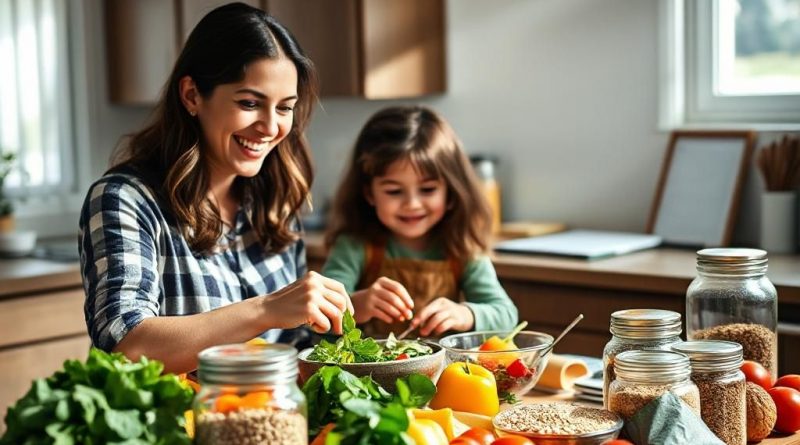
How to tackle postpartum food cravings for a healthier you.
Postpartum Food Cravings: Your Healthy Management Guide for New Moms
If you've recently welcomed a little one into your life, you may have found yourself consumed by cravings for rich desserts, salty snacks, or even comfort foods in the middle of the night. Don’t worry—you're not alone! Postpartum food cravings affect many new moms, and they are completely normal. However, the important takeaway here is that these cravings are not indicative of a lack of willpower or a reason for guilt; rather, they're your body’s way of communicating its needs during a demanding time of recovery and adjustment.
In this guide, you’ll learn why postpartum cravings occur, explore how to differentiate between true hunger and emotional cravings, and most importantly, discover practical strategies to manage these cravings in a holistic and non-restrictive manner. This isn’t about strict dieting or feeling deprived; it’s about nourishing your body and mind in a way that honors both your needs and your baby’s.
Understanding Why Postpartum Cravings Happen
It’s easy to think that postpartum cravings stem solely from hormonal fluctuations, but the reality is multifaceted. Several interconnected factors cause your body to experience heightened cravings during this transition.
-
Hormonal Changes: After giving birth, your hormones—particularly estrogen and progesterone—decline rapidly. These hormonal shifts can drive cravings for sweet or high-calorie foods. As a result, many new moms find themselves battling an urge for sugar and comfort food.
-
Increased Metabolic Demands: Your body undergoes significant physical changes post-delivery, especially if you’re breastfeeding. According to the Centers for Disease Control and Prevention (CDC), women who breastfeed typically need an additional 340 to 400 calories a day to support milk production. These cravings are your body signaling its need for energy and nutrient replenishment.
-
Sleep Deprivation: Sleep—or the lack thereof—plays a critical role in appetite regulation. Studies have shown that new parents often experience increased cravings for quick energy sources, like sugars and carbohydrates, leading them to snack on high-calorie foods to boost their energy levels, particularly when fatigue sets in.
-
Emotional Factors: Adjusting to life with a newborn is incredibly emotional and can lead to heightened stress or anxiety. Food can provide comfort during these overwhelming moments, making it easy to turn to snacks as a coping mechanism rather than for genuine hunger.
Recognizing these factors can help you approach your cravings with compassion rather than judgment.
How to Manage Postpartum Cravings Healthily: 7 Practical Strategies
Managing postpartum food cravings effectively involves understanding your body’s needs while also approaching your diet in a healthy, positive way. Here are seven practical strategies to help you navigate this new chapter.
Strategy 1: Eat Balanced Meals Every 3-4 Hours
One of the best ways to stave off cravings is to maintain steady blood sugar levels by eating balanced meals throughout the day. This means incorporating a combination of:
- Protein: For extended satiety. Good options include Greek yogurt, chicken, beans, and legumes.
- Healthy Fats: To boost nutrient absorption and keep you full. Think avocado, nuts, and olive oil.
- Fiber-rich Carbs: These provide sustained energy, with examples being sweet potatoes, quinoa, and whole fruits.
Missed meals can lead to intense hunger, making you more susceptible to cravings. To combat this, have a plan in place and aim to eat every 3-4 hours—even if that means having snacks available throughout the day.
Strategy 2: Stay Hydrated
Dehydration can often mimic hunger signals, especially during the nursing period when your body loses fluids. Keeping hydrated is essential; here’s how to make it easier:
- Carry a water bottle to track your intake.
- Maintain hydration with fluids like herbal teas or coconut water, which can also help replenish electrolytes.
- Aim for a target of at least half your body weight in ounces each day to keep your body and mind functioning optimally.
For instance, before reaching for a snack, drink a full glass of water. You might find that your craving subsides when you’re sufficiently hydrated.
Strategy 3: Distinguish True Hunger from Emotional Eating
Learning to differentiate between physical hunger and emotional cravings is a crucial skill for managing postpartum cravings.
- Practical Check: Ask yourself when the craving hit. Did it strike suddenly, or is your stomach genuinely growling? Did you just finish a meal, or have you not eaten in several hours?
- Emotional Check: Identify whether stress, fatigue, or boredom may be the driving force behind your desire to eat.
Practicing this awareness can lead to healthier choices and prevent mindless snacking that doesn’t fulfill true hunger.
Strategy 4: Keep Smart Snacks Handy
As a new mom, convenience is key! Stock up on healthy, ready-to-eat snacks that require minimal preparation so you can easily nourish yourself between feedings.
Consider these options:
- Single-serve nut butter packets paired with fresh fruit.
- Greek yogurt cups with a sprinkle of granola or berries.
- Pre-cut vegetables with hummus for a quick boost of nutrients.
By keeping these snacks within arm’s reach, you can satisfy your cravings without hassle.
Strategy 5: Don’t Restrict Foods
Stricter diets can be tempting, but they usually backfire, leading to more intense cravings and potential binge eating later. Instead of labeling foods as “good” or “bad,” practice accepting all kinds of foods in moderation.
- Embrace a “both/and” mindset. For example, choose to enjoy dessert while also incorporating healthy meals into your day.
- Allow yourself the freedom to indulge occasionally. This helps to reduce the allure of “forbidden” foods, making it less likely that you’ll overindulge later on.
Such an approach fosters a healthier relationship with food and diminishes feelings of deprivation.
Strategy 6: Prioritize Nutrient-Dense Foods
During the postpartum recovery phase, your body needs a wealth of nutrients. Focusing on nutrient-dense foods can help meet both your cravings and your body’s needs.
Key nutrients to prioritize include:
- Iodine: Important for thyroid function and metabolic health, found in seafood and dairy.
- Choline: Critical for brain health, abundant in eggs and legumes.
- Fiber: Supports digestion and can help ease postpartum constipation; load up on beans, fruits, and whole grains.
By consciously choosing foods that nourish rather than simply satisfy, you'll be helping both yourself and your baby.
Strategy 7: Practice Mindful Eating
Mindful eating means slowing down and truly savoring each bite. It can help counter emotional cravings and prevent overeating.
- Small Steps: Even taking just a moment to breathe or acknowledge your hunger before diving into snacks can make a difference.
- Set the Scene: Try to create a calming atmosphere when you eat. Even if it's just for a minute or two, putting away distractions can elevate your eating experience.
Being mindful during meals allows you to listen to your body more closely, promoting satisfaction and reducing the urge to snack mindlessly.
Top 5 Healthy Postpartum Snack Ideas
Navigating cravings doesn’t mean sacrificing enjoyment. Here are five scrumptious yet healthy snack combinations designed to satisfy your taste buds while nourishing your body:
- "Everything Bagel" Cottage Cheese: Enjoy creamy cottage cheese sprinkled with everything bagel seasoning, served with crunchy cucumber slices.
- Chocolate Avocado Pudding: Blend ripe avocado with cocoa powder, a date, and a splash of almond milk for a rich dessert that’s actually good for you.
- Savory Oatmeal: Cook rolled oats in vegetable broth, topped with a fried egg and a dash of hot sauce for comfort and protein.
- Frozen Grape and Cheese Skewers: Assemble grapes and cubed cheese onto skewers, then freeze for a deliciously cold treat.
- Tahini Date "Candy": Blend dates with tahini and a pinch of salt and roll into bite-sized balls for a naturally sweet snack.
These snack options not only cater to cravings but also provide essential nutrients!
In the following sections, we will tackle common pitfalls to watch for as you manage postpartum cravings, along with answers to some frequently asked questions from new mothers. These insights will help you navigate your postpartum journey with ease and confidence.
What NOT to Do When Managing Postpartum Cravings
Navigating the landscape of postpartum cravings can be tricky, and while there are effective strategies to manage these urges, there are also common pitfalls to avoid. Steering clear of these mistakes can help ensure a healthier relationship with food as you transition into motherhood.
Rushing Weight Loss
In the desire to return to pre-pregnancy weight, many new moms fall into the trap of extreme diets or rapid calorie restriction. However, this approach can hinder your recovery. Your body needs time to heal from childbirth and, if breastfeeding, may require those extra calories to support milk production.
- Key Insight: Cutting calories too drastically can lead to fatigue, decreased milk supply, and may also encourage binge eating later. Dr. Hill, an OB-GYN, emphasizes, “Your body needs fuel to recover—don't be in a hurry to shed weight.”
Extreme Restriction of Foods
Another common mistake is eliminating certain foods based on the belief they are "bad" for you. This kind of restriction can backfire, leading to dynamic cravings and even binge eating.
- Research Support: A study shows that women who moderately include treats in their diets tend to have fewer binge episodes compared to those who restrict certain foods completely.
Instead, aim for a balanced approach that integrates all food groups without labeling them as good or bad.
Skipping Meals
In an attempt to manage calories, new moms might skip meals to "save" calories for later. However, this strategy typically leads to increased hunger and cravings as your blood sugar levels drop.
- The Reality: Skipping meals can set you up for failure. Your body craves necessary fuel, and when meals are missed, the inevitable cravings for quick-energy foods become stronger.
It's advisable to plan for nutrient-dense meals and snacks throughout the day to keep your hunger levels stable.
Blaming Yourself for Cravings
It’s crucial to recognize that postpartum cravings are normal and not reflective of your willpower or self-control. Cravings are signals from your body—it's trying to communicate its needs.
- Validation: As noted by one researcher, “Cravings aren’t character flaws; they are clues about what your body needs, especially during such a transformative period.”
Taking time to understand these signals instead of reprimanding yourself for them fosters a healthier mindset towards food.
Postpartum Cravings FAQs
As many new moms grapple with common questions about postpartum cravings, here are answers to some frequently asked queries that might resonate with your experiences.
Q: Why do I crave sugar specifically while breastfeeding?
A: The body naturally requires glucose for energy during milk production. Therefore, cravings for sugary foods can be your body’s way of signaling its need for quick energy.
Q: How long do postpartum cravings last?
A: Postpartum cravings typically last around 6 to 12 weeks as hormones begin to stabilize. However, factors like sleep deprivation can prolong the craving journey. Have patience; this phase is temporary.
Q: Are postpartum cravings different from pregnancy cravings?
A: Yes! Pregnancy cravings may involve unusual combinations and food aversions, whereas postpartum cravings mostly focus on quick energy sources due to increased metabolic demands.
Q: Can postpartum cravings indicate a nutrient deficiency?
A: Sometimes. For instance, sugar cravings could signify low chromium or magnesium levels, while salt cravings may indicate an electrolyte imbalance. Prioritizing whole foods can help address these nutritional needs.
Q: Should I track my calories postpartum?
A: Generally, it’s unnecessary. Relying on your body’s hunger signals while focusing on nutrient-density is usually more effective as you navigate this phase of motherhood.
The Takeaway: Honor Your Body’s Wisdom
Postpartum cravings are not enemies—they are a part of your body’s intricate communication system during a remarkable yet challenging time. By responding with nourishment, rather than restriction, you can aid in healing, maintain energy for your newborn, and forge a positive relationship with food.
Focus on one strategy at a time, whether that means making hydration a priority or swapping out one processed snack for something nutrient-dense. Remember, small adjustments can lead to significant changes when you work alongside your body.
In every journey of motherhood, the understanding that cravings are a normal part of your experience can foster self-compassion. Trust in your body’s wisdom, and embrace nourishing choices—one meal at a time. You've got this, mama!