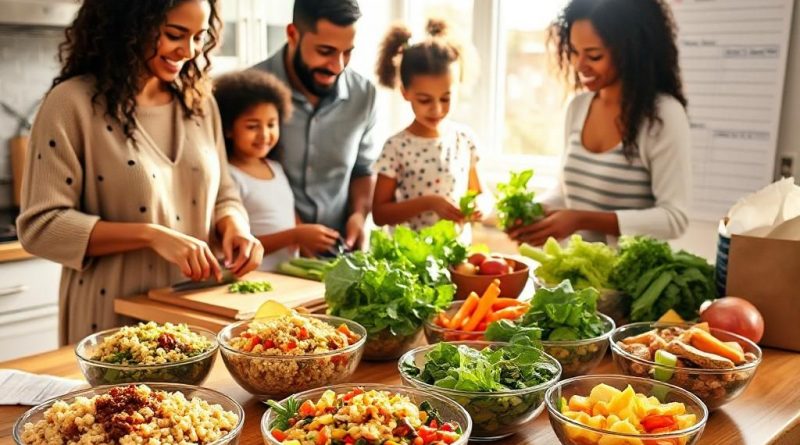
How to plan postpartum meals to supercharge your energy and recovery.
How to Plan a Postpartum Meal Plan for Optimal Energy: Your Complete Guide
If you're expecting a baby or have recently welcomed one, you’ve probably heard about birth plans, nursery setups, and baby gear—but what about your postpartum meal plan? While everyone focuses on the baby’s needs, your nutrition during the fourth trimester is just as critical. The truth is, without proper fuel, you’ll struggle with energy crashes, slower healing, and that overwhelming “I can’t do this” feeling many new moms experience.
In this guide, you’ll discover exactly how to plan postpartum meals that keep your energy steady, support healing, and make those sleepless nights more manageable. No fad diets or complicated regimens—just practical, science-backed strategies that real moms use to thrive (not just survive) during those precious early weeks. Let’s transform your postpartum experience from exhausting to energized.
Why Postpartum Nutrition Matters More Than You Think
Your body just performed an incredible feat—growing and delivering a human! Now it's working overtime to heal incisions, replenish blood loss, regulate hormones, and (if you’re breastfeeding) produce milk. This isn’t just “getting back to normal”—it’s active recovery requiring 30-50% more nutrients than pre-pregnancy.
Registered dietitian Sarah Smith explains: “During postpartum, your body is essentially running a marathon while healing from surgery. Without proper nutrition, you’re trying to complete that race on empty. It’s no wonder so many moms feel constantly drained.”
The consequences of poor postpartum nutrition go beyond fatigue. Research shows inadequate nutrient intake can:
- Slow tissue healing by up to 40%
- Increase risk of postpartum mood disorders
- Compromise milk supply for breastfeeding moms
- Lead to prolonged recovery times
When you prioritize your postpartum meal plan, you’re not being selfish—you’re ensuring you have the physical and mental energy to care for your newborn and enjoy this special time.
The Essential Components of an Energy-Boosting Postpartum Meal Plan
Forget restrictive diets. Your postpartum nutrition should focus on these five powerhouse components that work together to sustain energy:
Protein Powerhouses
Aim for 25-35g protein per meal to repair tissues and stabilize blood sugar. Best sources include:
- Lean meats (chicken, turkey)
- Fatty fish (salmon, sardines)
- Eggs and Greek yogurt
- Plant proteins (lentils, beans, tofu)
Complex Carbohydrates
Choose fiber-rich carbs that release energy slowly:
- Oats (great for milk supply!)
- Quinoa and brown rice
- Sweet potatoes
- Whole grain bread
Healthy Fats
Essential for hormone regulation and brain function:
- Avocados
- Nuts and seeds (chia, flax, hemp)
- Olive oil
- Fatty fish
Iron-Rich Foods
Replenish blood loss with:
- Lean red meat
- Spinach and leafy greens
- Lentils
- Fortified cereals
Hydration Heroes
Dehydration is a major energy zapper. Beyond water, include:
- Bone broth (packed with healing collagen)
- Herbal teas (nursing teas if breastfeeding)
- Coconut water
- Water-rich fruits (watermelon, oranges)
Breastfeeding moms need approximately 500 extra calories daily (about 2,300-2,500 total), while non-nursing moms should aim for 1,800-2,200 calories depending on activity level. The key isn’t counting calories—it’s ensuring each one delivers maximum nutrition.
Your Step-by-Step Guide to Planning Postpartum Meals
Step 1: Assess Your Nutritional Needs (2-4 Weeks Before Delivery)
Grab a notebook and answer these questions:
- Will you be breastfeeding? (Adds significant calorie/protein needs)
- Any dietary restrictions or preferences?
- What meals do you typically enjoy?
- Who can help with cooking during early postpartum?
Create a simple chart with columns for breakfast, lunch, dinner, and snacks. Fill in your current favorites—this becomes your baseline for postpartum adaptation.
Step 2: Build Your Meal Framework
Use the “plate method” specifically designed for postpartum:
- ½ plate: Colorful vegetables and fruits (antioxidants for healing)
- ¼ plate: Lean protein (tissue repair)
- ¼ plate: Whole grains or starchy vegetables (sustained energy)
Pro tip: Double every dinner recipe to automatically create next-day lunch. This “cook once, eat twice” approach saves precious time when you’re exhausted.
Step 3: Create Your Freezer Inventory (3-4 Weeks Before Delivery)
The magic of a successful postpartum meal plan happens in your freezer. Here’s your shopping and prep checklist:
Essential Freezer Meals:
- Hearty soups (chicken noodle, lentil vegetable)
- Protein-packed casseroles (quinoa bowls, egg muffins)
- Batch-cooked proteins (shredded chicken, ground turkey)
- Portioned smoothie packs (spinach, banana, berries)
Pantry Staples:
- Instant oats and chia seeds
- Canned beans and tomatoes
- Nut butters
- Whole grain pasta and sauces
Grab-and-Go Snacks:
- Hard-boiled eggs
- Greek yogurt cups
- Trail mix packets
- Energy balls
Schedule two “prep days” before your due date. On day one, make soups and stews. On day two, prepare casseroles and protein portions. Enlist your partner or a friend to help!
Step 4: Organize Your Meal Storage System
How you store meals matters as much as what you make. Follow these freezer organization tips:
- Use uniform, stackable containers (8-10 oz for snacks, 16-24 oz for meals)
- Label everything with name and date (use masking tape and marker)
- Group similar items together (all breakfasts in one section)
- Keep a master list on your freezer door
Critical mistake to avoid: Don't freeze meals in glass containers—they can shatter. Opt for BPA-free plastic or silicone freezer bags that lay flat for maximum space.
Step 5: Implement Smart Reheating Practices
When you’re running on minimal sleep, complicated reheating instructions are the last thing you need. For each meal you prepare:
- Write simple instructions on the label (“Thaw overnight, microwave 3 mins”)
- Keep a dedicated postpartum reheating kit: microwave-safe bowl, spoon, napkin
- Designate one “reheating station” in your kitchen for easy access
Breastfeeding moms: Keep a water bottle and snack at your nursing station. Dehydration and low blood sugar are the fastest ways to crash during those marathon feeding sessions.
7-Day Sample Postpartum Meal Plan for Optimal Energy
This flexible plan provides approximately 2,200 calories daily with balanced macros. Adjust portions based on your hunger cues—your body knows what it needs!
Monday
- Breakfast: Overnight oats with chia seeds, peanut butter, and berries
- Lunch: Quinoa salad with grilled chicken, avocado, and roasted veggies
- Dinner: Baked salmon with sweet potato and asparagus
- Snacks: Greek yogurt with almonds, apple with almond butter
Tuesday
- Breakfast: Scrambled eggs with spinach and whole-grain toast
- Lunch: Lentil soup with avocado toast
- Dinner: Turkey and black bean stir-fry with brown rice
- Snacks: Carrot sticks with hummus, hard-boiled egg
Wednesday
- Breakfast: Smoothie (kefir, banana, spinach, flaxseed)
- Lunch: Chicken and vegetable wrap with Greek yogurt dressing
- Dinner: Slow-cooker chicken stew with carrots and celery
- Snacks: Cottage cheese with pineapple, handful of walnuts
Thursday
- Breakfast: Whole-grain toast with mashed avocado and boiled egg
- Lunch: Leftover chicken stew
- Dinner: Beef and vegetable stir-fry with soba noodles
- Snacks: Oat-date protein bar, cucumber slices
Friday
- Breakfast: Egg muffins with veggies and cheese
- Lunch: Pumpkin and lentil soup with whole-grain bread
- Dinner: Homemade turkey lasagna with ricotta and vegetables
- Snacks: Dark chocolate squares, pear slices
Saturday
- Breakfast: Greek yogurt parfait with granola and berries
- Lunch: Leftover turkey lasagna
- Dinner: Baked cod with quinoa and roasted broccoli
- Snacks: Trail mix, celery with peanut butter
Sunday
- Breakfast: Oatmeal with sliced banana and chia seeds
- Lunch: Large salad with chickpeas, feta, and olive oil dressing
- Dinner: Roast chicken with root vegetables
- Snacks: Rice cakes with avocado, protein shake
Key customization tips:
- Vegetarian? Swap chicken for tofu and beef for lentils
- Dairy-free? Use coconut yogurt and skip cheese
- Short on time? Replace homemade soup with high-quality store-bought bone broth
Top 10 Freezer-Friendly Postpartum Meals You Need to Try
These meals maintain quality after freezing and reheat beautifully—perfect for exhausted new moms:
- Lemon Ginger Chicken Soup – Anti-inflammatory and hydrating
- Quinoa Breakfast Bowls – Mix cooked quinoa with nuts, seeds, and dried fruit
- Egg Muffins – Whisk eggs with veggies and cheese, bake in muffin tins
- Lentil and Vegetable Curry – High in iron and fiber
- Turkey Taco Meat – Versatile for tacos, salads, or stuffed peppers
- Beef and Vegetable Stew – Rich in collagen for healing
- Overnight Oats Packs – Combine oats, chia seeds, and flavorings in jars
- Salmon Patties – Omega-3 powerhouse, great with salad
- Black Bean and Sweet Potato Chili – Fiber-rich and satisfying
- Cottage Cheese Pancakes – High-protein breakfast option
Pro tip: Freeze smoothie ingredients in individual bags—just dump in blender with liquid when ready. Add a squeeze of lemon to prevent browning in fruit-based smoothies.
Smart Shortcuts: How to "Cheat" Without Compromising Nutrition
You don’t need to be a gourmet chef to eat well postpartum. These strategic shortcuts save time while keeping nutrition high:
- Pre-cut produce: Yes, it costs more, but when you’re recovering, those saved minutes are worth it.
- Rotisserie chicken: Shred immediately for instant protein in salads, soups, or wraps.
- Frozen vegetable blends: Just as nutritious as fresh, with zero prep time.
- Canned beans: Rinse well to reduce sodium—ready in minutes.
- Meal delivery services: Many now offer postpartum-specific menus (check Mama Meals or Magic Spoon).
Registered dietitian Emily Chen advises: "The 'perfect' postpartum meal plan that you don't follow is useless. It’s better to eat a slightly less ideal meal that someone else prepared than to skip eating altogether because you’re too tired to cook."
Accept help graciously when friends offer to bring meals. Most people want to contribute but don’t know how—give them your freezer meal list!
Common Postpartum Meal Planning Mistakes to Avoid
Even well-intentioned moms fall into these traps. Steer clear of these energy-zapping mistakes:
Mistake #1: Skipping snacks
Your stomach shrinks during pregnancy and takes time to expand again. Eat every 2-3 hours to maintain energy. Keep protein-rich snacks within arm’s reach of nursing stations.
Mistake #2: Overcomplicating recipes
If a recipe has more than 8 ingredients or takes longer than 30 minutes, skip it for postpartum. Focus on simple, nutrient-dense meals.
Mistake #3: Forgetting hydration
Set hourly phone reminders to drink water. Add electrolytes if you’re breastfeeding (try adding a pinch of sea salt to water).
Mistake #4: Ignoring cultural foods
Traditional postpartum foods from your culture often have science-backed benefits. Chinese confinement food features ginger and sesame oil for circulation; Mexican postpartum meals include nutrient-rich nopales (cactus). Honor these traditions!
Mistake #5: Not planning for leftovers
Cook double portions intentionally. Label containers “Eat First” for meals that freeze better for shorter periods.
Frequently Asked Questions About Postpartum Meal Planning
As you embark on your postpartum journey, you’ll likely have numerous questions about meal planning. Here are some frequently asked questions to help guide you through this process:
Q: How many calories do I really need postpartum?
A: Breastfeeding moms need approximately 500 extra calories daily (2,300-2,500 total). Non-breastfeeding moms should aim for 1,800-2,200 calories. Listen to your hunger cues—your body knows what it needs.
Q: What are the best energy-boosting postpartum snacks?
A: Combine protein + complex carb + healthy fat: Greek yogurt with berries and nuts, apple slices with almond butter, or cottage cheese with pineapple.
Q: How far in advance should I prepare postpartum meals?
A: Start freezing meals 3-4 weeks before your due date. Most cooked meals stay fresh in the freezer for 2-3 months.
Q: What if I’m not breastfeeding—does my meal plan change?
A: You’ll need fewer calories (about 300-500 less daily), but the nutrient density requirements remain similar for healing. Focus on iron-rich foods to replenish blood loss.
Q: How do I handle food sensitivities while meal planning?
A: If your baby shows signs of sensitivity (excessive gas, rash), eliminate common triggers one at a time (dairy, soy, eggs). Keep a food diary to identify patterns.
Q: Are there any traditional foods I should consider incorporating?
A: Yes! Many cultures have specific foods traditionally consumed during the postpartum period that are beneficial for recovery. For example, Chinese confinement food often emphasizes warming ingredients like ginger and sesame oil, which promote circulation and healing.
Meal Prep Tips for Success
Smoothly navigating postpartum meal prep can make all the difference in ensuring you have the energy you need. Here are essential tips that can help streamline your meal planning and preparation:
1. Involve Your Partner or Support System
Don’t hesitate to enlist your partner, family, or friends to help with meal prep. This shared effort not only eases your workload but also creates an opportunity for bonding and teamwork during this transformative time.
2. Use Meal Prep Containers Wisely
Invest in a set of quality meal prep containers that are freezer-safe and microwave-friendly. Opt for varying sizes to accommodate different meal types and snack portions.
3. Plan for Mix-and-Match Meals
Create a versatile menu plan where components can be mixed and matched. For example, any protein (like chicken, beans, or tofu) can be paired with grains (like quinoa or brown rice) and topped with various veggies and sauces for diverse meals throughout the week.
4. Schedule a Weekly Prep Day
Dedicate a specific day each week to meal prep. Use this time to cook staple foods in bulk, portion them into containers, and store them in the fridge or freezer. This way, your meals are ready to go and can simply be reheated when needed.
5. Invest in a Slow Cooker or Instant Pot
Using a slow cooker or Instant Pot can save you time and effort in the kitchen. Simply toss ingredients in before you tackle other tasks, and by mealtime, a delicious dinner awaits.
Example Dinner Meal Prep: Chicken Quinoa Bowls
Here’s a quick guide to preparing versatile chicken quinoa bowls, a nutritious option that can be made ahead of time and customized daily:
Ingredients:
- 4 boneless, skinless chicken breasts
- 2 cups quinoa, rinsed
- 4 cups vegetable or chicken broth
- 1 bell pepper, diced
- 1 cup broccoli florets
- 1 tablespoon olive oil
- Salt, pepper, and your choice of spices (smoked paprika, garlic powder, etc.)
Instructions:
- Preheat the oven to 375°F (190°C).
- Rub chicken breasts with olive oil and season with salt, pepper, and spices. Place in a baking dish and roast for 25-30 minutes or until cooked through.
- In a saucepan, combine quinoa and broth. Bring to a boil, then cover and simmer for 15 minutes until quinoa is fluffy and liquid is absorbed.
- While the quinoa cooks, steam or sauté the broccoli and bell pepper until tender.
- Once the chicken is cooked, let it rest before slicing.
- Assemble bowls with a base of quinoa, topped with chicken, veggies, and any additional sauces or toppings (like avocado or a drizzle of tahini). Store in airtight containers.
Transitioning Your Meal Plan
Once you settle into a routine with your newborn, don't hesitate to reassess your meal plan as your needs evolve. Here are a few signs it may be time for an adjustment:
1. Your Appetite Changes
Return of appetite is common as your body adjusts postpartum. If you notice increased hunger, ensure you’re incorporating nutrient-dense snacks and meals to support your demands.
2. Energy Levels Fluctuate
If you start to feel fatigue creeping back, revisit your meal plan to ensure it supports sustained energy. Look into incorporating additional snacks or adjust portion sizes as needed.
3. Changes in Activity Level
As you recover and adapt to motherhood, your activity level may increase. If you find yourself exercising more, it may be important to increase your caloric intake to fuel your body accordingly.
Celebrate Your Journey
Navigating postpartum nutrition can feel overwhelming, but remember that each step you take is one towards recovery and well-being. It's okay not to be perfect; focus on progress and find joy in the little victories, whether that's trying a new recipe or successfully prepping a week's worth of meals.
As you embrace motherhood, remember that this journey is about balancing care for yourself and your little one. The energy you invest in meal planning is an investment in the health of both you and your baby—a gift that will lead to moments of connection, laughter, and love in the weeks and months to come.
In the end, it's all about being kind to yourself, allowing for flexibility, and celebrating your accomplishments, even the small ones. With a well-prepared postpartum meal plan, you’ll have more energy to savor every precious moment with your newborn and thrive in this new chapter of your life.