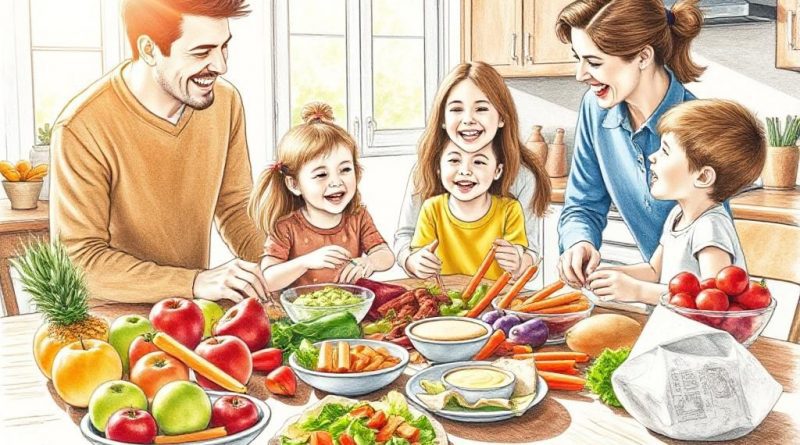
Healthy snacks your kids will love making together.
Simple Recipes for Family-Friendly Healthy Snacks: 20+ Easy Ideas Kids Will Actually Eat
Navigating the world of snacks can often feel like a daunting task, especially with the pressure to provide healthy options that also satisfy picky eaters. It’s all too easy to grab processed options that promise convenience and tastiness, yet often fall short on nutrition. Creating simple, family-friendly healthy snacks doesn’t have to be overwhelming or time-consuming. In fact, it can be a fun and engaging way to ensure your children are getting the nutrients they need.
Healthy snacking can be a game changer, particularly for families. Research highlights that snacks can account for about 30% of a child’s total daily caloric intake, making them critical for growth and energy levels throughout the day. Each snack presents an opportunity to include essential nutrients, like protein and fiber, which play a pivotal role in keeping kids satisfied and focused.
Why Healthy Snacking Matters for Growing Families
First, let’s delve into why healthy snacks are crucial. The way children snack can influence their overall dietary patterns and health. Major pediatric nutrition associations note that well-balanced snacks can help manage hunger levels, prevent overeating during meals, and assist in cultivating healthy eating habits from a young age.
Nutritional Opportunities
When we think about snacks, it’s vital to consider their nutritional impact. Unlike meals, which are often more planned, snacks can be an afterthought, leading to choices that might not be the most nutritious. Many store-bought snacks are high in sugar and low in essential nutrients, which means kids may end up hungry shortly after, leading to more snacking, often on less nutritious options.
What should a healthy snack include? Here are some critical components:
-
Protein: This macronutrient is essential for growth and helps keep children feeling full. High-protein snacks can decrease the likelihood of reaching for sugar-laden alternatives.
-
Fiber: Foods rich in fiber promote digestive health and provide sustained energy. This is especially important for young children who need steady energy for their activities.
-
Healthy Fats: These support brain development and provide energy. Foods such as nuts, seeds, and avocados are great sources of healthy fats.
Recommended Snacking Frequency
Experts recommend that children have two to three snacks a day, ideally spaced out between meals. This approach can help maintain energy levels and stave off extreme hunger that can lead to overeating at the next meal.
Building Blocks of the Perfect Family Snack
Creating nutritious snacks doesn't require advanced cooking techniques. Instead, it’s about combining simple ingredients that pack a wholesome punch. Here's a basic formula you can use:
- Protein Source: Think Greek yogurt, nut butters, or cheese.
- Fiber Source: Fresh fruits, vegetables, or whole grains.
- Healthy Fat: Nuts, seeds, or an avocado spread.
Pantry Staples for Healthy Snacking
Here’s a rundown of pantry staples that can help you whip up quick, nutritious snacks:
Protein Powerhouses
- Greek Yogurt: A great base for dips or parfaits.
- Hummus: A versatile spread for veggies or whole grain crackers.
- Nut Butters: Perfect for apples, bananas, or rice cakes.
- Cheese: String cheese or cubed varieties offer a portable protein punch.
- Canned Tuna or Chicken: Easy to mix with healthy mayo on whole grain bread.
Fiber Friends
- Fruits: Apples, bananas, berries, and oranges are all nutrient-dense.
- Vegetables: Carrots, celery, cucumbers, and bell peppers can be enjoyed raw or with dips.
- Whole Grains: Whole grain crackers or air-popped popcorn make excellent bases for snacks.
Healthy Fat Helpers
- Avocado: Spread on whole grain toast or used in smoothies.
- Nuts and Seeds: Sprinkle chia or flax seeds into yogurt or smoothies.
- Olive Oil: A great addition to homemade dips or dressings.
By keeping a variety of these foods on hand, you can mix and match ingredients to suit your family's preferences and dietary needs.
20+ Simple Recipes for Family-Friendly Healthy Snacks
Now that we understand the basics, let’s explore some easy snack ideas that will become staples in your household. These recipes are designed to be simple, quick, and—most importantly—something your kids will genuinely enjoy.
No-Bake Snack Heroes (Under 15 Minutes)
-
Peanut Butter Oatmeal Balls with Chocolate Chips
- Prep Time: 10 minutes
- Key Nutrients: Fiber from oats, protein from peanut butter
- Ingredients: 1 cup rolled oats, ½ cup peanut butter, 2 tbsp chia seeds, 2 tbsp flax seeds, 3 tbsp mini chocolate chips, 2 tbsp maple syrup
- How to Make: Combine all ingredients in a bowl until thoroughly mixed. Roll into 1-inch balls and refrigerate.
-
Veggie Sticks with Rainbow Dip
- Prep Time: 5 minutes
- Key Nutrients: Vitamins from veggies, protein from Greek yogurt
- Ingredients: 1 cup Greek yogurt, assorted veggie sticks, and colorings like beet powder, turmeric, and matcha
- How to Make: Divide yogurt into several bowls and mix in colors. Serve with a variety of raw veggies.
-
Ham & Cheese Pretzel Roll-Ups
- Prep Time: 8 minutes
- Key Nutrients: Protein from ham and cheese
- Ingredients: 4 slices of deli ham, 4 slices of cheese, mini pretzel rods
- How to Make: Roll the cheese slice inside the ham slice, securing with a pretzel rod.
Make-Ahead Magic (Batch-Friendly)
-
Chocolate Chip Zucchini Muffins
- Prep Time: 15 minutes active, 35 minutes bake time
- Key Nutrients: Hidden veggies, whole grains
- Ingredients: 2 cups shredded zucchini, 3 ripe bananas, 2 cups whole wheat flour, 1 cup dark chocolate chips, 2 eggs, ¼ cup maple syrup
- How to Make: Preheat the oven to 350°F. Mix the wet and dry ingredients together with the zucchini, then bake for 25-30 minutes.
-
Homemade Granola Bars
- Prep Time: 10 minutes active, 20 minutes bake time
- Key Nutrients: Fiber from oats, healthy fats from nuts
- Ingredients: 2 cups rolled oats, ½ cup nut butter, ⅓ cup coconut oil, ¾ cup maple syrup, 1 tsp vanilla, ½ cup mix-ins
- How to Make: Mix everything in a bowl, press into a pan, and bake at 350°F for 15-20 minutes.
-
Frozen Yogurt Dipped Bananas
- Prep Time: 10 minutes active, 1 hour freeze time
- Key Nutrients: Potassium from bananas, protein from yogurt
- Ingredients: 4 bananas, 1 cup vanilla Greek yogurt, sprinkles (optional)
- How to Make: Cut bananas in half, insert sticks, dip in yogurt, and freeze.
Quick Assembly Snacks (Under 5 Minutes)
-
Apple "Cookies"
- Prep Time: 3 minutes
- Key Nutrients: Fiber from apples, protein from nut butter
- Ingredients: Apple slices, nut butter, mini chocolate chips
- How to Make: Spread the nut butter on apple slices and let kids decorate.
-
Cottage Cheese Bowls
- Prep Time: 4 minutes
- Key Nutrients: High protein from cottage cheese
- Ingredients: ½ cup cottage cheese, fresh berries, drizzle of honey
- How to Make: Combine ingredients in a bowl and enjoy.
-
Everything Bagel Cucumber Bites
- Prep Time: 5 minutes
- Key Nutrients: Hydration from cucumber, protein from cream cheese
- Ingredients: Sliced cucumber, cream cheese, everything bagel seasoning
- How to Make: Top cucumber slices with cream cheese, then sprinkle with seasoning.
Meal Prep Strategies for Stress-Free Snacking
Prepping snacks ahead of time can significantly alleviate stress during busy schedules. Here are strategies to streamline your snacking routine:
-
Designate a Prep Day: Reserve some time each week for snack prep. This could include washing veggies, making muffins, or portioning out snack bags.
-
Create Snack Stations: Set up designated snack areas with pre-portioned healthy treats. It encourages kids to grab healthier options.
-
Get Kids Involved: Allow children to assist in the kitchen with simple tasks. They’re more likely to try new foods if they help prepare them.
-
Utilize Freezer Space: Many snacks can be made in larger batches and stored in the freezer. Items like muffins, energy balls, and granola bars can be defrosted as needed.
-
Mix It Up: Variety helps avoid snack fatigue. Rotate different selections weekly to keep things exciting and new.
With these strategies in place along with the wholesome recipes provided, creating nutritious and engaging snacks will become part of your family’s routine. These foundational habits don’t just support healthy eating—they bring families together in the kitchen and foster a love for wholesome food. The next step will build on this momentum with detailed explanations on common mistakes to avoid and a variety of FAQs to answer your pressing questions about healthy snacking for families.
Common Snack Mistakes to Avoid
Even with the best intentions, it’s easy to slip into some common traps when it comes to snacking. Here are a few pitfalls to avoid as you navigate the world of healthy snacks:
Mistake #1: Overloading on Sugar
While it might seem harmless, many store-bought snacks labeled as “healthy” can still contain excessive amounts of sugar. Children’s palates can quickly become accustomed to sugary flavors, leading to cravings and consistent hunger. Aim for snacks that contain:
- Less than 5 grams of added sugar per serving.
- Natural sweetness from fruits instead of processed sugars.
Check ingredient labels to ensure you’re choosing the best options.
Mistake #2: Skipping Protein
Many parents sometimes overlook the importance of protein in snacks, thinking fruits and veggies are enough. However, pairing fruits with proteins—like apple slices with almond butter or yogurt with nuts—ensures that kids are not only getting flavor but also staying full longer. This combination prevents the dreaded sugar crash and subsequent meltdowns.
Mistake #3: Not Having Snacks Ready
When hunger strikes, the absence of readily available snacks throws families into disarray. A well-stocked pantry and fridge with prepared snacks can help avoid last-minute unhealthy choices:
- Keep single-serve snack bags of nuts or trail mix handy for those "emergency" moments.
- Pre-cut veggies and store them in containers for quick access.
Mistake #4: Forgetting Texture
Children can be particularly sensitive to the texture of foods, rejecting healthy options based on how they feel in their mouths. This means that a child who normally loves raw carrots may turn up their nose at mushy guacamole. Tailor your snacks to suit your child’s texture preferences:
- Offer a variety of crunchy and soft options to see what they enjoy most.
- Experiment with different cooking methods, like roasting vegetables to bring out sweetness and improve texture.
Mistake #5: Making It a Battle
Pressuring children to eat healthy foods can create negative associations and make them resistant to trying new snacks. Instead of enforcing strict rules around food:
- Introduce new snacks alongside familiar favorites.
- Provide choices and let kids decide what they want to try. Over time, they may become more open to new flavors and textures.
FAQs About Family-Friendly Healthy Snacks
How often should kids snack?
Most children need 2-3 snacks per day. Timing can vary based on their individual needs and activity levels. Pay attention to hunger cues rather than sticking rigidly to a schedule. This flexible approach keeps kids satisfied without interfering with meal times.
What if my child is a picky eater?
Picky eaters can be a challenge, but gradually introducing new foods can help. Begin with small portions of new items alongside things they already enjoy. Involve them in the selection process at the grocery store, and encourage them to help in the kitchen. With patience, they may develop a taste for healthier snacks over time.
How can I make healthy snacks more appealing?
Presentation can make all the difference! Creative serving ideas include:
- Making Fun Shapes: Use cookie cutters for sandwiches and fruits.
- DIY Snack Kabobs: Let kids assemble their own skewers with fruits, veggies, and proteins.
- Colorful Plates: Arrange snacks in bright, appealing color combinations to draw interest.
Are store-bought “healthy” snacks worth it?
Some store-bought options can be healthy, but it’s crucial to read labels. Look for products with recognizable ingredients, a good balance of macronutrients, and minimal added sugar. In many cases, homemade snacks are not only healthier but also more satisfying.
Can I make these snacks nut-free for school?
Absolutely! Many recipes can be easily adapted. For example, you can substitute sunflower seed butter for peanut butter and use pumpkin seeds instead of nuts. Always check with your school’s policies regarding food allergies and appropriate snacks.
Your Snack Revolution Starts Today
By incorporating these strategies and recipes into your routine, you’ll establish a positive snacking culture in your home. Remember, the journey toward healthier snacking is not about perfection. It’s about finding balance and making small, sustainable changes. Start by trying one or two new recipes this week, and observe how your family reacts.
Embrace the flexibility that homemade snacks provide—after all, nutrition doesn’t have to be boring! As you experiment with combinations and flavors, you’ll discover the joy of creating snacks that benefit both your children’s health and their happiness.
Whether it’s a no-bake treat or a quick assembly snack, the key is to enjoy the process while fostering a love for good food that will last a lifetime. Your family’s healthy snacking adventure is just beginning—so gather those ingredients, roll up your sleeves, and get ready to enjoy wholesome snacks that everyone will adore.