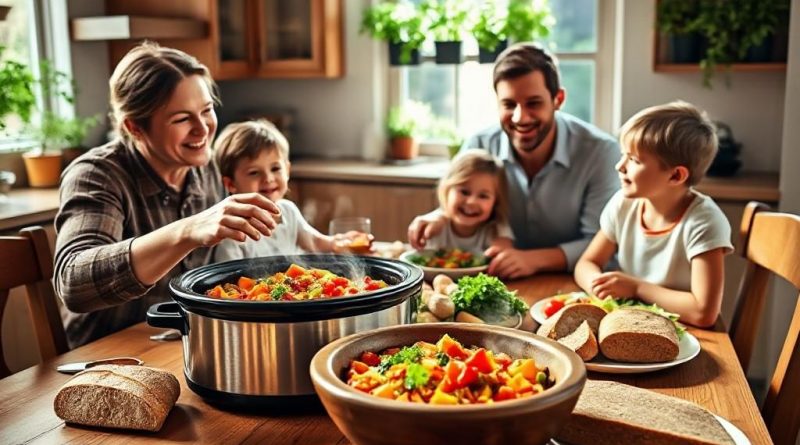
Healthy Family Meals Made Easy with Your Crockpot.
Healthy Crockpot Meals for Families: Your Ultimate Guide to Easy, Nutritious Dinners
Are you exhausted from scrambling to prepare healthy dinners that your family will actually enjoy? You’re not alone. Many parents struggle to balance busy schedules while trying to serve nutritious meals that please picky eaters. Fortunately, your crockpot can be a game-changer in the kitchen, allowing you to create balanced, delicious meals effortlessly. In this comprehensive guide, you’ll learn how to harness the power of your slow cooker for healthy family meals that are not only nutritious but also loved by both kids and adults.
Why Crockpots Are Perfect for Healthy Family Cooking
The slow cooker is often mischaracterized as a tool for quick but unhealthy meals. On the contrary, crockpots provide an excellent way to cook nutritious food. The low-temperature cooking process helps retain vitamins and minerals, ensuring that your meals are both wholesome and satisfying. For instance, a study published in the Journal of Nutrition suggests that slow-cooked meals often preserve more nutrients compared to high-heat methods like frying or grilling.
Furthermore, busy families can greatly benefit from the time management that comes with using a crockpot. By prepping ingredients the night before or during morning routines, you can have a meal cooking for several hours, freeing you up to tackle homework, attend soccer practice, or simply unwind after a long day. According to a 2024 survey by the National Restaurant Association, 68% of parents use slow cookers to save time on weeknight dinners.
Another advantage of slow cooking is that it encourages shared family meals. When everyone serves from the same pot, good dietary habits are fostered intuitively. Nutritionist Sarah Schlichter emphasizes that "Crockpot meals often contain more vegetables because they meld flavors beautifully, making them appealing to kids."
Essential Crockpot Selection Tips for Healthy Cooking
Not all slow cookers are created equal, especially for families looking to prepare healthy meals. When choosing a crockpot, consider the following:
-
Size Matters: A 6-quart crockpot is typically ideal for most families. This size allows for ample portions and leftovers, which is perfect for meal prepping. Small households may find a 3- to 4-quart model more convenient.
-
Look for Programmable Features: Some crockpots come with programmable timers that allow you to set cooking times and automatically switch to 'warm' once the cooking session ends. This is crucial for maintaining food safety and maximizing nutrient retention.
-
Safety Features: Opt for models with removable ceramic inserts, making it easier to clean and transfer meals to storage containers. Always check for settings that prevent overcooking, ensuring your meals don’t lose their nutritional value.
-
Safety First: Remember to fill your crockpot between half and three-quarters full to avoid safety hazards. Underfilling can lead to food burning or drying out, while overfilling can block heat from circulating properly.
Building Balanced Crockpot Meals: The Healthy Plate Method
Creating well-rounded family meals doesn’t have to be complex or time-intensive. Here’s a simplified approach to structuring your crockpot meals:
Protein Power (25% of Your Meal)
Incorporate lean protein sources to keep your family satisfied:
- Chicken breasts or thighs (skinless)
- Lean ground turkey or beef (93% lean)
- Vegetarian options like beans and lentils.
Veggie Victory (50% of Your Meal)
Aim for a colorful array of vegetables:
- Start with hard vegetables like carrots and sweet potatoes, which can withstand longer cooking times.
- Add softer vegetables such as zucchini and spinach in the last hour to keep them from becoming mushy.
- Frozen vegetables work excellently without the need to thaw.
Smart Carbs (25% of Your Meal)
Include whole grains and healthier carbohydrates:
- Quinoa and brown rice can be added 30-60 minutes before serving.
- Avoid refined grains (like white rice) and opt for naturally sweet ingredients like sweet potatoes.
Flavor Boosters (Without the Guilt)
Enhance taste without excess sodium:
- Use fresh herbs to brighten up dishes.
- Low-sodium sauces, broths, and natural sweeteners can significantly improve taste while keeping your dishes nutritious.
The secret is in the layering of ingredients. Dense items should sit at the bottom of the pot for optimal cooking, while delicate ingredients are placed on top, allowing for even cooking without detracting from their texture.
5 Simple Steps to Transform Any Recipe into a Healthy Crockpot Meal
Transforming your favorite dishes into healthy crockpot versions is easier than you think! Here’s a simple, five-step method:
Step 1: Trim and Choose Lean Proteins
Eliminate visible fat from meats and opt for healthier choices. When cooking ground meat, it’s helpful to brown it beforehand in a pan and drain the fat before adding it to the crockpot.
Step 2: Bulk Up with Vegetables
Aim to add at least two cups of various vegetables to each recipe. Start with flavor bases like carrots, celery, and onions, then layer in other colorful veggies.
Step 3: Smart Liquid Management
Replace plain water with low-sodium broths for a flavor boost. Reduce the liquid by about 25% when using a slow cooker because it retains moisture better than conventional cooking methods.
Step 4: Flavor Without the Filler
Skip the store-bought seasoning mixes that often include added sugars and sodium. Instead, build your own using spices and herbs like garlic powder, paprika, and fresh herbs.
Step 5: Perfect Timing for Nutrient Preservation
For foods that are delicate, such as spinach or herbs, add them in the last 30 minutes of cooking. This ensures they maintain their texture and nutritional value.
Top 7 Healthy Crockpot Recipes Families Actually Love
Finding meals that everyone in your family agrees on can feel like a daunting task. Here are seven healthful and delicious crockpot recipes that families love:
1. Sunshine Lemon Chicken Chowder
A light and fulfilling soup combining chicken, baby potatoes, cauliflower, and a coconut milk base. Turmeric adds a pop of color, while whole-grain bread serves as an excellent side.
2. Veggie-Packed Black Bean Soup
This recipe features black beans with corn and diced bell peppers. For a creamy texture, blend half of the soup—it's a fantastic trick for enticing picky eaters.
3. Honey Mustard Chicken
Ditch the bottled sauces and whip up your own with honey, mustard, apple cider vinegar, and garlic powder. Serve it over quinoa for a wholesome meal.
4. Pumpkin Chili
A unique chili using pumpkin puree, lean ground turkey, and spices. The naturally sweet pumpkin makes this dish appealing to children.
5. Chicken and Lentil Soup
Using shredded chicken and red lentils, this soup offers a protein-packed meal enriched with carrots and spinach, providing fiber and essential nutrients.
6. Greek Lemon Chicken and Potatoes
Chicken thighs and potatoes soaked in lemon and garlic make for a flavorful dish. Add frozen green beans in the last hour for extra nutrition.
7. Slow Cooker Vegetable Curry
This vegetarian dish incorporates chickpeas, sweet potatoes, and coconut milk to deliver a creamy, mildly spiced curry that even skeptical eaters will enjoy.
Smart Crockpot Meal Prep Strategies for Busy Weeks
Use your crockpot for more than just one-off meals. Transform it into a meal prep solution with these efficient strategies:
-
Sunday Batch Cooking: Choose two to three crockpot meals to prep over the weekend. Store portions in airtight containers for easy access during the week.
-
Freezing: Allow meals to cool completely before freezing in designated containers. Label with dates and consume within three months for optimal freshness.
-
Reheating Tips: Thaw meals overnight in the fridge and reheat in the microwave. If a dish seems dry, a splash of broth can help restore moisture.
-
Single-Serve Portions: Use muffin tins or divided containers to make individual portions easy. This aids in maintaining portion control and simplifies food distribution during hectic weeks.
-
Tracking Your Inventory: Keep a list on your fridge of what’s stored in the freezer. This ensures you don’t let leftovers go to waste.
Common Crockpot Mistakes That Sabotage Healthy Meals (And How to Avoid Them)
Even seasoned crockpot aficionados can make mistakes that can sabotage healthy cooking. Here are some pitfalls to avoid:
-
Overfilling the Pot: Beyond ¾ full can compromise cooking standards, leading to either undercooked meals or safety hazards. Stick to filling recommendations.
-
Adding Dairy Too Soon: Most dairy doesn’t fare well in lengthy cooking processes. Wait until the last hour to add these ingredients to avoid curdling.
-
Neglecting to Trim Fat: Leaving excess fat on meats can make your meals greasy. Trim what you can before cooking for healthier results.
-
Forgetting Layering: Properly layering ingredients can prevent delicate foods from overcooking. Bulky vegetables should be on the bottom, with soft ones on top.
-
Relying on Pre-Made Sauces: Many store-bought sauces have additives. Creating your own not only boosts flavor but also controls what goes into your meals.
By implementing these tips and utilizing your crockpot thoughtfully, you can simplify your cooking process, create more nutritious meals, and ultimately foster better eating habits within your family. Enjoy turning every meal into a delightful culinary experience that everyone at the table will appreciate.
FAQs About Healthy Crockpot Cooking for Families
As you embark on your journey to create wholesome crockpot meals, you may encounter questions along the way. Here are some frequently asked questions that can help you navigate the world of healthy slow cooking:
Q: Can I cook frozen meat directly in the crockpot?
A: It’s not recommended by the USDA due to food safety concerns. Cooking frozen meat can keep it in the “danger zone” (between 40-140°F) too long, potentially allowing harmful bacteria to grow. Always thaw meat in the refrigerator before cooking for safety.
Q: How can I make crockpot meals lower in sodium?
A: Skip the pre-made seasoning packets and sauces that are often high in sodium and sugar. Use no-salt-added broths and canned tomatoes, and enhance flavor with fresh herbs, spices, vinegar, and citrus juice instead.
Q: What’s the best way to add whole grains to crockpot meals?
A: Whole grains should generally be added during the last 60-90 minutes of cooking to ensure they do not become mushy. For rice, a 1:1.5 grain-to-liquid ratio is ideal, while quinoa needs less liquid (1:1.25). If using pre-cooked grains, add them in the last 30 minutes just to heat through.
Q: How do I prevent vegetables from getting too soft?
A: Start cooking harder vegetables like carrots or potatoes first, and add softer vegetables such as zucchini or spinach in the last hour of cooking. A tip for maintaining crispness is to cut vegetables larger than usual, which helps them hold their shape better during the cooking process.
Q: Can I make healthy desserts in my crockpot?
A: Yes! Slow cookers are excellent for making desserts such as baked apples with cinnamon, pumpkin oatmeal, or lower-sugar bread pudding using whole grains and natural sweeteners. The gentle heat is perfect for creating warm, comforting desserts without the need for high sugar content.
Your Healthier Family Dinner Journey Starts Today
The essence of using a crockpot for healthy family meals lies in its simplicity and versatility. You don’t need to be an expert chef or have access to gourmet ingredients to prepare nutritious dishes. The crockpot allows for creativity, encouraging you to experiment with flavors and ingredients while still saving time.
By focusing on whole foods—lean proteins, vibrant vegetables, and healthy grains—you’re laying the groundwork for nutritious family dinners that are flavorful and satisfying. It’s important to remember that cooking is as much about the process as it is about the outcome. Embrace the learning curve that comes with experimenting in the kitchen, and don’t hesitate to modify recipes to suit your family’s tastes.
Start by choosing one new crockpot recipe from the list provided earlier, such as the Veggie-Packed Black Bean Soup or Sunshine Lemon Chicken Chowder. Prepare it with your family, involving everyone in the process. This not only makes for a memorable cooking experience but also helps instill valuable cooking skills in your children.
As you gain confidence and experience with crockpot meals, try introducing new ingredients, spices, and cooking techniques. Experimenting with seasonal produce can further enhance the nutritional value of your meals while keeping them fresh and exciting.
Tips for Organizing Your Crockpot Cooking
-
Plan Ahead: Each week, take some time to decide which meals you’d like to prepare in your crockpot. Create a shopping list to ensure you have all necessary ingredients on hand.
-
Prep Ingredients in Advance: Spend time on the weekend or during downtime to chop vegetables, portion proteins, and measure out spices for the week’s recipes. Store them in clear containers in your refrigerator, so they are easy to grab in the morning.
-
Use a Crockpot Recipe Journal: Keep a dedicated notebook or digital file with your favorite crockpot meals. Jot down tips, modifications, and family preferences, which can help you refine your approach over time.
-
Get the Family Involved: Encourage kids and partners to help with meal prep or even choose recipes. Cooking together promotes family bonding and makes everyone more willing to try new dishes.
-
Rotate Recipes: To keep things fresh, rotate through your favorite recipes, but don’t hesitate to explore new ones. This way, you won’t feel stuck in a recipe rut, and your family will always be excited about what’s for dinner.
Maximizing Nutrition in Your Crockpot Meals
To ensure your meals are as nutritious as possible, consider the following strategies:
-
Organic Ingredients: Whenever possible, opt for organic produce and meats. Organic foods typically have fewer pesticides and are often fresher and more flavorful.
-
Bulk Cooking: Making large batches of your favorite meals not only saves time but also allows you to have healthy leftovers ready for lunches or quick dinners during busy weeks.
-
Utilize Leftovers Creatively: Use leftover cooked vegetables or proteins from crockpot meals in next-day lunches or transform them into new dinners. For example, leftover chicken can be used for a chicken salad or on top of a grain bowl.
-
Ingredient Substitutions: Don't hesitate to swap out ingredients based on what you have on hand or dietary preferences. Quinoa can replace rice, cauliflower can be used for a mash instead of potatoes, and can swap cream with pureed vegetables for a creamy consistency without the extra calories.
-
Hydration Matters: Pair your meals with plenty of water or infused drinks to stay hydrated. This will enhance the overall health benefits of the meals you prepare in your crockpot.
Creative Serving Ideas for Your Crockpot Meals
Presentation can make a big difference in how meals are perceived, especially for children. Here are a few creative serving ideas:
-
Thematic Lunches or Dinners: Create themes around your meals, such as "Taco Night" with a variety of toppings for a fun twist.
-
DIY Meal Bars: Serve soup or chili with a “build-your-own” bar featuring toppings like Greek yogurt, cheese, green onions, avocado, or various salsas.
-
Colorful Plates: Arrange your meals to showcase a variety of colors. A visually appealing plate can entice children to try different foods.
-
Serving in Fun Dishes: Use vibrant bowls or themed plates that appeal to kids. Consider whimsical serving options, such as muffin tins for individual portions of side dishes, or fun-shaped cookie cutters for fruit and veggie garnishes.
By integrating these tips into your crockpot cooking, you’ll not only save time but also enhance the nutritional value of your family meals. With your crockpot as your ally, you can create dining experiences that nourish both the body and the bond of family—making meals not just sustenance, but memorable occasions filled with joy and connection. The journey toward healthier eating begins with just a few simple ingredients and a bit of creativity, and the crockpot is the perfect tool to guide you along the way.