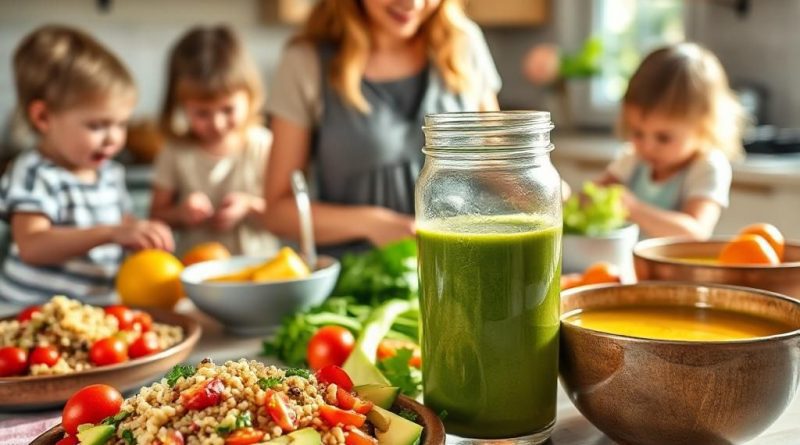
Healing foods for postpartum recovery and inflammation relief.
Postpartum Recovery Foods to Reduce Inflammation: Your Complete Guide
If you're navigating the beautiful but challenging world of new motherhood, you've likely felt both physically and emotionally exhausted. What many new moms don’t realize is that inflammation plays a significant role in your recovery process after childbirth. The good news? Your plate can be your most powerful healing tool.
In this guide, you’ll discover which postpartum recovery foods reduce inflammation, why they work, and how to easily incorporate them into your busy new routine. No confusing jargon, no unrealistic meal plans—just practical, science-backed nutrition strategies that fit seamlessly into life as a new parent.
Understanding Postpartum Inflammation and Why It Matters
After childbirth, your body experiences significant changes, and inflammation is a natural part of the healing process. It’s essentially your body’s method for protecting itself and starting the repair. However, when inflammation becomes excessive or chronic, it can slow your recovery, drain your energy, and impact your mood.
Research indicates that high inflammation levels correlate with an increased risk of postpartum depression and anxiety. That’s why focusing on anti-inflammatory postpartum nutrition isn’t just about physical recovery; it's crucial for your mental wellbeing too. The most effective anti-inflammatory foods for postpartum recovery are often accessible ingredients you can find at your local grocery store, eliminating the need for costly supplements and complicated recipes.
The Top Anti-Inflammatory Foods for Postpartum Recovery
Omega-3 Powerhouses
Foods rich in omega-3 fatty acids are game-changers for postpartum inflammation. These healthy fats help reduce the production of molecules linked to inflammation.
Top choices:
- Wild-caught salmon: Aim for 2-3 servings weekly.
- Sardines and mackerel: Excellent low-mercury options, perfect for easy meals.
- Chia seeds and flaxseeds: Great vegetarian alternatives for omega-3s.
- Walnuts: Quick snacks that satisfy hunger while fighting inflammation.
- Avocado: Adds creaminess to meals while also combating inflammation.
Studies, including one published in the Journal of Obstetric, Gynecologic & Neonatal Nursing (2023), found that mothers who consumed adequate omega-3s reported better mood scores and faster physical recovery.
Leafy Green Superstars
Dark leafy greens are nutritional powerhouses packed with vitamins, minerals, and antioxidants that combat inflammation. They are particularly valuable for replenishing iron stores that may deplete during childbirth.
Must-have greens:
- Spinach: Versatile for smoothies or cooked dishes.
- Kale: Best when massaged with olive oil to enhance tenderness.
- Swiss chard: Adds color and nutrients to meals.
- Collard greens: Excellent source of calcium, beneficial for breastfeeding moms.
According to registered dietitian Sarah Johnson, "Leafy greens provide essential nutrients like iron, folate, and magnesium that support both physical recovery and emotional wellbeing during the postpartum period."
Berry Bonanza
Berries come packed with antioxidants known as anthocyanins, which give them vibrant colors and potent anti-inflammatory properties. They’re easy to consume and can be enjoyed fresh or frozen.
Top picks:
- Blueberries: Excellent in yogurt or oatmeal.
- Raspberries: High in fiber, they promote digestive health.
- Blackberries: Rich in vitamin C, supporting the immune system.
- Strawberries: A delicious, quick snack option.
Probiotic Power Foods
Gut health has a direct impact on inflammation levels throughout the body. Probiotic-rich foods help maintain a healthy gut microbiome, essential for reducing systemic inflammation and supporting mental health.
Essential probiotic foods:
- Plain Greek yogurt: Look for products with live active cultures.
- Kefir: A drinkable yogurt alternative packed with probiotics.
- Sauerkraut: Choose refrigerated, unpasteurized varieties for maximum benefits.
- Kimchi: A flavorful addition that also helps fight inflammation.
- Kombucha: A fizzy alternative to sugary drinks, beneficial for gut health.
Receiving antibiotics during delivery (which occurs in about 30% of U.S. births) can disrupt your gut flora, making these probiotic foods even more critical for restoring balance.
Healthy Fats That Heal
Not all fats are created equal. While processed fats can increase inflammation, certain healthy fats actively reduce it and support hormone production and nutrient absorption.
Best anti-inflammatory fats:
- Extra virgin olive oil: Ideal for salad dressings but not for cooking at high heat.
- Coconut oil: Perfect for high-temperature cooking while still healthy.
- Almonds and pumpkin seeds: Great for on-the-go snacking.
- Tahini: Ideal for adding creaminess to sauces and dressings.
Protein for Repair
Your body requires ample protein to repair tissues damaged during childbirth and to support milk production if you're breastfeeding. High-quality protein sources also help stabilize blood sugar levels and prevent energy crashes.
Top protein choices:
- Grass-fed beef: Rich in iron and zinc for recovery.
- Bone broth: Easy to sip while caring for your baby, full of nutrients.
- Pasture-raised eggs: Packed with choline, vital for brain health.
- Lentils and chickpeas: Fiber-rich and excellent plant protein sources.
Whole Grains for Sustained Energy
Refined carbohydrates can spike blood sugar and increase inflammation. Whole grains provide steady energy and valuable nutrients that aid in recovery.
Best options:
- Oats: Particularly beneficial for breastfeeding mothers.
- Quinoa: A complete protein source that’s easy to prepare.
- Brown rice: Digestible when well-cooked, providing essential nutrients.
- Millet: Gentle on postpartum digestion.
Anti-Inflammatory Spices
Don't overlook the powers of your spice cabinet! Certain spices contain compounds that provide anti-inflammatory benefits.
Must-have spices:
- Turmeric: Pair with black pepper to enhance absorption.
- Ginger: Promotes good digestion and reduces inflammation.
- Cinnamon: Helps regulate blood sugar levels.
- Garlic: Contains allicin, a powerful compound for fighting inflammation.
Building Your Postpartum Anti-Inflammatory Meal Plan
Creating realistic meal plans as a new parent may feel challenging, but there are several strategies to make it manageable:
Start with Simple Swaps
- Instead of processed snacks, opt for handfuls of walnuts and berries.
- Use olive oil instead of vegetable oil for cooking and dressings.
- Add fresh spinach to smoothies; you won't even taste it!
- Choose whole-grain bread over white bread.
Batch Cooking Strategies
- Prepare large batches of bone broth and freeze in portion sizes for easy access.
- Roast multiple trays of vegetables at once to have them ready for the week.
- Cook large portions of quinoa or brown rice.
- Create freezer-friendly salmon patties for quick, nutritious meals.
Easy Postpartum Meal Ideas
Breakfast: Overnight oats with chia seeds, berries, and Greek yogurt.
Lunch: Large salad with mixed greens, salmon, avocado, and olive oil dressing.
Dinner: Grass-fed beef stir-fry with broccoli, bell peppers, and ginger-turmeric sauce.
Snacks: Apple slices with almond butter, hard-boiled eggs, or kefir smoothies.
Hydration Matters Too
Dehydration can exacerbate inflammation, so keep water close. Add lemon slices or cucumber for a refreshing twist. Herbal teas like ginger or chamomile also contribute to hydration while providing anti-inflammatory benefits.
Common Postpartum Nutrition Mistakes to Avoid
Amid the chaos of new motherhood, it’s easy to fall into nutritional traps. Here are some common mistakes to watch out for:
Skipping Meals to "Save Time"
Your body requires more energy during postpartum recovery—around 300-500 extra calories if breastfeeding. Skipping meals not only hinders healing but can also lead to energy dips that worsen mood swings.
Overloading on Processed "Healthy" Foods
Many store-bought snacks and bars branded as "healthy" often contain hidden sugars and inflammatory oils. Read labels diligently; whole, real food is typically the healthier option.
Ignoring Gut Health
If you received antibiotics during delivery, it's important to replenish good gut bacteria. Probiotic foods are critical for balancing your gut microbiome to combat inflammation.
Not Eating Enough Fat
New moms often avoid fats in an attempt to lose the baby weight. However, healthy fats are critical for hormone production and inflammation reduction—don't cut them out!
Forgetting About Iron
After childbirth, many women experience depleted iron levels that can affect energy and mood. Pair iron-rich foods like spinach with vitamin C sources like citrus to enhance absorption.
This comprehensive guide sets the stage for your journey into anti-inflammatory postpartum nutrition. With practical strategies and essential food recommendations, you’ll be well-equipped to support your recovery and nurture your well-being as a new parent.
FAQs About Postpartum Recovery Foods
How soon after delivery should I start focusing on anti-inflammatory foods?
It’s beneficial to focus on anti-inflammatory foods immediately after delivery. Your body starts healing right away, and having pre-prepared meals ready at home can greatly impact your recovery. Stocking your pantry and fridge with these foods ensures you are nurturing your body from day one.
Can diet really help with postpartum depression?
There is a strong connection between diet and postpartum mental health. Recent studies have shown that women who follow anti-inflammatory diets have a significantly lower risk of developing postpartum depression symptoms. This approach can enhance mood stability and overall mental wellbeing.
What if I’m vegetarian or vegan?
You can absolutely maintain an anti-inflammatory postpartum diet without consuming animal products. Focus on plant-based omega-3 sources such as chia seeds, flaxseeds, and walnuts. Incorporate legumes like lentils and chickpeas for protein, and consider algae-based DHA supplements if you are breastfeeding.
How long should I follow this type of eating plan?
While the first 6-12 weeks post-delivery are the most crucial for recovery, many women find that these anti-inflammatory eating patterns bring ongoing benefits. Adopting these dietary habits can help you maintain your energy levels and overall health, supporting you well beyond the initial postpartum period.
Are there foods I should avoid during postpartum recovery?
Yes, it’s wise to limit processed foods, sugary snacks, and fried foods since these can increase inflammation. Additionally, be mindful of potential allergens if you’re breastfeeding, as some babies can react to dairy or soy in their mother’s diet.
Your Action Plan for Inflammation-Free Recovery
You don't need a complete diet overhaul to harness the power of anti-inflammatory postpartum nutrition. Start with three actionable steps to set yourself up for success:
- Add one anti-inflammatory food to each meal: This can be as simple as including chia seeds in your breakfast, leafy greens at lunch, or salmon at dinner.
- Prepare two freezer-friendly meals: Utilize batch-cooking strategies to make meals in advance, allowing for quick options during hectic days.
- Keep a hydration bottle visible: Aim to drink at least half your body weight (in pounds) in ounces of water daily. Hydration is key to recovery and can help reduce inflammation.
Remember, postpartum recovery isn't about striving for perfection—it's about making progress. Each anti-inflammatory food you incorporate contributes to feeling more like yourself again. Your body has just performed the incredible miracle of growing and birthing a human; now it's time to nourish it back to strength with the healing power of food.
Meal Prep Tips for New Moms
As a new mom, meal preparation can be a challenge, but planning ahead can make all the difference in maintaining a nutritious diet. Here are some useful tips to streamline your meal prep:
Set Aside Time for Meal Prep
Dedicate at least a couple of hours each week to meal prep. This could be over the weekend when you have a little more time or whenever you’re able to carve out a block for yourself. Tasks like washing and cutting veggies, cooking grains, or preparing proteins can save you time during busy weekdays.
Create a Simple Shopping List
Having a well-organized shopping list helps streamline your grocery store visits. Include all the anti-inflammatory foods we’ve discussed above, focusing on fresh produce, whole grains, healthy fats, and high-quality proteins.
Batch Cook Dishes
Cook large quantities of freezer-friendly meals that can be easily reheated. Consider soups, stews, and casseroles. These meals are often even more flavorful when reheated and make for nutritious, hassle-free options when you’re short on time.
Label and Organize
When freezing meals, label them with the contents and the date prepared. Organizing your freezer ensures you can quickly find what you need, making it easier to grab meals during your busy days.
Sample Anti-Inflammatory Meal Plan
To give you an idea of how to incorporate these foods seamlessly into your daily routine, here’s a sample one-day meal plan filled with anti-inflammatory options:
Breakfast
- Overnight oats made with chia seeds, topped with blueberries and a dollop of plain Greek yogurt.
Snack
- An apple with almond butter or a handful of walnuts.
Lunch
- Large salad with mixed leafy greens, grilled salmon, avocado, cherry tomatoes, and a lemon-olive oil dressing.
Snack
- Kefir smoothie with banana and a sprinkle of cinnamon.
Dinner
- Roasted vegetables served with quinoa and a side of bone broth for a nutrient-rich meal.
Evening Snack
- A bowl of mixed berries or a small piece of dark chocolate for a sweet treat.
With these practical strategies and delicious meal ideas, you'll reinforce your body’s natural healing processes while managing the demands of new motherhood. Remember, small changes make a big impact, and nourishing yourself is essential to caring for your little one.
As you embark on this journey of postpartum recovery, stay mindful of how your food choices can empower your healing process.