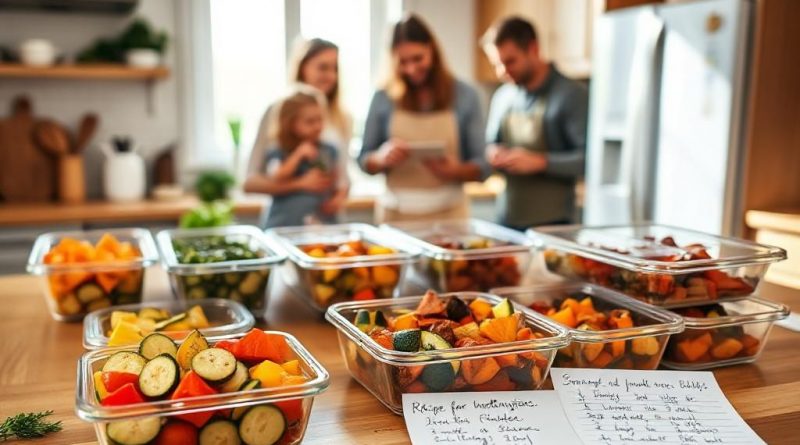
Easy roasted vegetable meal prep recipes for busy week nights that taste amazing.
Easy Roasted Vegetable Meal Prep: Your Weekly Shortcut to Healthier Eating
Getting enough vegetables into your weekly routine can often feel overwhelming. With busy schedules, it’s easy to let healthy eating slide to the back burner. Imagine a solution that not only simplifies your meal preparation but also fills your diet with flavor and nutrition: enter roasted vegetable meal prep. This technique offers a way to efficiently prepare various vegetables ahead of time, allowing you to enjoy delicious, healthy meals throughout the week.
In this guide, we’re diving deep into the world of roasted vegetables, unraveling everything from which veggies work best to proper roasting techniques and innovative meal ideas. Whether you’re a meal prep pro or just getting started, discover how to transform your meal prep with ease and creativity.
Why Roasted Vegetable Meal Prep is a Game-Changer
Roasted vegetable meal prep stands out for several compelling reasons:
-
Saves Time: By dedicating just one hour to prepping on the weekend, you set yourself up for quick-to-assemble meals all week.
-
Enhances Flavor: Roasting vegetables enhances their natural sweetness and adds a deliciously caramelized texture. Unlike steaming or boiling, roasting allows for crispy edges and depth of flavor that elevates any dish.
-
Versatility: Roasted veggies can adapt to any meal type—be it breakfast, lunch, or dinner. They can serve as a base for grain bowls, a filling in omelets, or a simple side dish.
-
Nutritional Boost: Roasting helps to retain nutrients. When cooked properly, some vitamins become more accessible; for instance, roasting carrots increases beta-carotene availability.
-
Portion Control: Prepping a specific amount of roasted vegetables helps you mindfully manage portion sizes, ensuring that your meals are balanced and nutritious.
The Perfect Roasted Vegetable Formula: Temperature, Timing & Technique
Oven Temperature: The Sweet Spot
After testing a variety of recipes and consulting several culinary sources, it appears that 425°F (220°C) is the magic number for roasting vegetables effectively. This high heat allows for optimal caramelization while ensuring the veggies don’t dry out.
Conversely, using a lower temperature, such as 350°F, can lead to steaming rather than roasting, resulting in lackluster flavors and textures. There’s something liberating about cranking up the oven and letting the high heat work its magic.
Roasting Times by Vegetable Type
Knowing which vegetables to roast together—their cooking times—is crucial for achieving that perfect balance. Here’s how you can group them:
Quick Roasters (10-15 minutes)
- Bell peppers: sliced into strips
- Zucchini & yellow squash: cut into 1-inch pieces
- Asparagus: woody ends removed
- Cherry tomatoes: left whole
Medium Roasters (20-25 minutes)
- Broccoli and cauliflower: cut into bite-sized florets
- Brussels sprouts: halved
- Mushrooms: quartered
- Red onions: sliced into thick wedges
Slow Roasters (30-45 minutes)
- Carrots: cut into 1-inch pieces
- Sweet potatoes: cubed into 1-inch chunks
- Potatoes: diced into cubes
- Beets: quartered
- Butternut squash: cut into 1-inch cubes
For the best results, if you find yourself roasting a mix of quick and slow cookers, add the faster-cooking veggies halfway through roasting to prevent overcooking.
The Technique That Makes All the Difference
Successful roasted vegetable meal prep hinges on technique. Here are some essential tips:
-
Single Layer Rule: Always arrange vegetables in a single layer on your baking sheet. Overcrowding can lead to steaming instead of roasting. Each piece should have a little room to breathe.
-
Toss Halfway: Set a timer to remind you to toss or stir the vegetables halfway through the cooking time. This ensures even browning and prevents sticking to the pan.
-
Cooling: Allow your roasted veggies to cool completely on the pan before transferring to storage containers. This helps to prevent condensation and maintains their desired texture.
Step-by-Step Guide to Foolproof Roasted Vegetable Meal Prep
Step 1: Choose Your Vegetable Lineup
Creating a selection of roasted vegetables starts with choosing a variety that works well together. Some combinations I love include:
-
The Rainbow Mix: Opt for sweet potatoes, red bell peppers, broccoli, zucchini, and purple potatoes. This mix not only looks visually appealing but offers diverse flavors and textures.
-
Root Vegetable Medley: Combine carrots, beets, parsnips, and red onions. The earthy flavors of root vegetables complement each other wonderfully.
-
Mediterranean Blend: Select eggplant, zucchini, cherry tomatoes, red onions, and bell peppers for a mix that echoes the flavors of Mediterranean cuisine.
Avoid watery vegetables such as cucumbers or those that do not roast well—see more sturdy options instead.
Step 2: Prep Like a Pro
Preparing your vegetables properly sets the stage for the best results:
- Wash Thoroughly: Ensure root vegetables are well washed to remove dirt.
- Cut Uniformly: Aim for pieces sized between 1 and 1.5 inches to guarantee even cooking.
- Dry Well: Moisture is the enemy of crispiness. Pat vegetables with a clean towel to remove extra water before roasting.
- Group by Cooking Time: Organize your veggies into various categories to help you roast efficiently and ensure even cooking.
Pro Tip: For even crispier results, consider soaking cut potatoes and sweet potatoes in cold water for 10-15 minutes before roasting to eliminate excess starch.
Step 3: Season for Success
The beauty of roasted vegetables lies in their adaptability to various flavors. Here’s a simple formula for seasoning:
- 1-2 tablespoons of oil for a baking sheet (with avocado, olive, or coconut oil being the best choices)
- Salt and pepper to taste (starting with a baseline of ½ teaspoon salt per sheet)
- Tailored seasonings depending on your vegetable choices.
Here’s a quick seasoning chart:
| Vegetable | Flavor Pairings |
|---|---|
| Sweet potatoes | Cumin, cinnamon, or agave syrup |
| Broccoli | Lemon juice, garlic, red pepper flakes |
| Zucchini/Yellow Squash | Paprika, oregano, thyme |
| Potatoes | Rosemary, thyme, garlic powder |
| Asparagus/Green Beans | Garlic, lemon, dill |
| Carrots | Dill, parsley, za'atar, or agave syrup |
Step 4: Roast to Perfection
Follow these steps for perfect roasting:
- Preheat your oven to 425°F.
- Line your baking sheets with parchment paper for easy cleanup.
- Toss the vegetables in a large bowl with your oil and chosen seasonings.
- Spread them out in a single layer, ensuring there’s space between each piece.
- Roast following the times specified above, tossing halfway through to promote even cooking.
- The veggies are done when they are fork-tender and have developed a nice golden exterior.
Step 5: Store Properly
Proper storage is vital for maintaining the freshness of your roasted vegetable meal prep:
- Let them cool on the baking sheet for about 15-20 minutes.
- Once cool, transfer to airtight containers. Glass containers are a great option as they don’t retain smells and keep food fresh.
- refrigerate within 2 hours of cooking for food safety.
- Use your roasted veggies within 4-5 days for best flavor and texture.
7 Delicious Ways to Use Your Roasted Vegetable Meal Prep
Once your roasted vegetables are ready to go, here are creative ideas for incorporating them into your meals:
-
Roasted Vegetable Omelette: Whip up a quick omelet using roasted veggies mixed into beaten eggs. The addition of cheese makes it a hearty breakfast.
-
Buddha Bowls: Layer quinoa, roasted veggies, greens, avocado, and a drizzle of tahini for a filling and nutrient-packed meal.
-
Tostadas: Spread refried beans on crispy tortillas, top them with roasted veggies, and finish with salsa and cheese.
-
Stir-Fry: Quickly heat up some coconut oil and add in pre-cooked rice, roasted vegetables, and a splash of low-sodium soy sauce for an easy dinner.
-
Salads: Combine cooled roasted veggies with fresh greens, nuts, and your favorite vinaigrette for a satisfying lunch.
-
Pasta Topping: Mix roasted vegetables with cooked pasta and olive oil for a quick and delicious dish.
-
Breakfast Hash: Sauté roasted potatoes and onions with scrambled eggs for a fortified breakfast option.
Common Roasted Vegetable Meal Prep Mistakes (and How to Avoid Them)
Mistake #1: Overcrowding the Pan
Why it's bad: Leads to steaming instead of roasting and results in soggy vegetables.
Fix: Use more pans if necessary, ensuring that veggies have room to roast.
Mistake #2: Ignoring Different Cooking Times
Why it's bad: Some veggies will burn while others remain undercooked.
Fix: Group vegetables by cooking time, or add quicker-cooking varieties later on.
Mistake #3: Using Too Much Oil
Why it's bad: Produces greasy vegetables and can lead to smoke.
Fix: Stick to the suggested oil amounts for balanced flavor and texture.
Mistake #4: Skipping the Toss
Why it's bad: Leads to uneven browning.
Fix: Remember to toss your vegetables halfway through their roasting time for consistent results.
Mistake #5: Storing While Warm
Why it's bad: Causes condensation that makes veggies soggy.
Fix: Always cool roasted vegetables completely before transferring them to their storage containers.
Conclusion
By embracing roasted vegetable meal prep, you are unlocking not only convenience and time savings but also a world of flavors and health. With the right vegetables and techniques, you can elevate your weeknight dinners into something truly special. Get ready to explore innovative ways to make roasted vegetables the star of your meals, simplifying your week and supporting your health goals. So, gather your favorite veggies and let the roasting begin!
Roasted Vegetable Meal Prep FAQs
As you dive into the world of roasted vegetable meal prep, you may have some questions. Here are answers to the most frequently asked questions to help you navigate your meal prep journey effectively.
How long do roasted vegetables last in the fridge?
When properly stored in airtight containers, roasted vegetables can last for up to 4-5 days in the refrigerator. It’s best to consume them within this timeframe for optimal taste and texture.
Can I freeze roasted vegetables?
Yes, freezing roasted vegetables is an excellent option for extending their shelf life. To freeze, first spread them in a single layer on a baking sheet and freeze until solid. Then, transfer to freezer-safe bags or containers. While they will keep for 2-3 months, be aware that their texture may change slightly upon thawing.
What’s the best oil for roasting vegetables?
Opt for oils with higher smoke points for roasting, such as avocado oil (with a smoke point of 520°F) or refined olive oil (smoke point around 465°F). These oils maintain their flavor and nutritional properties when exposed to high temperatures.
Why are my roasted vegetables soggy?
Soggy vegetables usually result from overcrowding the baking pan, not drying the vegetables before roasting, or storing them while they’re still warm. To avoid this, ensure each piece has space on the pan, pat vegetables dry before roasting, and allow them to cool completely before packing them away.
Can I roast frozen vegetables?
While you can roast frozen vegetables, it’s generally not the best approach for meal prep. Frozen vegetables tend to retain excess moisture, leading to steaming rather than roasting. For the best results, use fresh vegetables whenever possible.
What are some creative seasoning ideas for roasted vegetables?
Experimenting with seasonings can elevate your roasted vegetable meal prep significantly. Try combining garlic powder, smoked paprika, and cumin for a Southwest twist, or use Italian herbs like oregano and thyme for a Mediterranean flair. You can also drizzle balsamic glaze or lemon juice after roasting to add an extra zing!
Conclusion: Transform Your Meals with Roasted Vegetable Meal Prep
Roasted vegetable meal prep is not just about convenience; it's a transformative practice that can enhance your weekly meals, making healthy eating feel effortless. The versatility of roasted vegetables allows you to mix and match them in various dishes, accommodating different taste preferences and dietary needs.
Now that you’ve mastered the basics, don’t shy away from experimenting with different vegetables, spices, and meal ideas. The key is to have fun with it! Each batch of roasted veggies is an opportunity to create something delicious and nutritious that fits perfectly into your busy lifestyle.
What are you waiting for? Gather your favorite vegetables, fire up your oven, and enjoy the benefits of meal prep that keeps you healthy and satisfied throughout the week!
Remember, the journey towards healthier eating is a marathon, not a sprint. With roasted vegetable meal prep as part of your routine, you’re one step closer to making nutritious choices easier than ever.