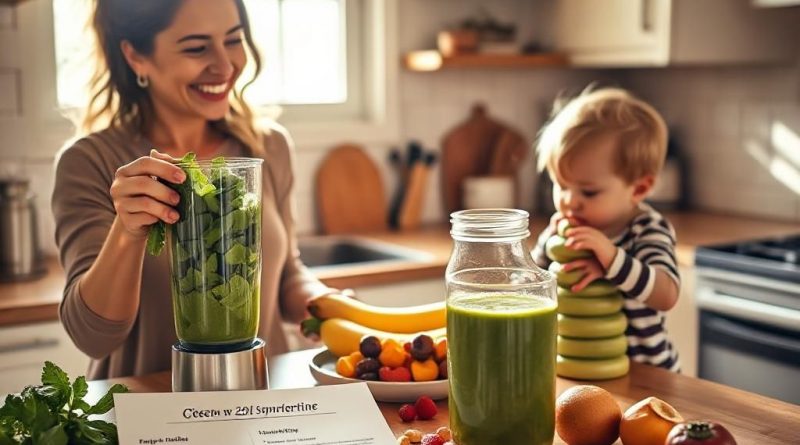
Easy postpartum smoothie recipes that boost your energy.
The Ultimate Guide to Balanced Postpartum Smoothies: Fuel Your Recovery & Boost Energy
Navigating the fourth trimester is no easy feat, especially when it comes to prioritizing your nutrition while caring for a newborn. In the whirlwind of feedings, diaper changes, and the exhaustion that comes with it, crafting balanced meals may feel impossible. This is where balanced postpartum smoothies become indispensable – a quick and nutritious option that supports your recovery, boosts your milk supply if you're breastfeeding, and provides that much-needed energy to keep you going.
In this guide, you’ll learn how to create nutrient-dense smoothies specifically designed for postpartum recovery. We’ll delve into the science behind the perfect postpartum smoothie, share delicious recipes, and explore meal prep strategies that allow you to have healthy nourishment ready when you need it most. Whether you’re recuperating from childbirth, establishing breastfeeding, or simply trying to maintain your energy levels, these smoothies are about to become your new best friend.
Why Balanced Postpartum Smoothies Are a Game-Changer
The postpartum period is critical for healing and vitality. After giving birth, your body needs specific nutrients to recover effectively. According to the American College of Obstetricians and Gynecologists, proper nutrition during this time not only aids in tissue repair but also helps regulate hormones and contributes to overall well-being.
So why are smoothies particularly valuable for new moms? Here are some key reasons:
- Quick Preparation: Smoothies can be whipped up in just a few minutes, making them perfect for busy moms with limited time between feedings.
- Nutrient Density: A well-crafted smoothie can pack a ton of nutritional value into a single serving, helping you meet postpartum dietary needs.
- Hydration Boost: Smoothies can contribute to adequate hydration, which is crucial for recovery and milk production.
- Customizable: You can easily tailor smoothies to meet your specific needs, whether it’s boosting milk supply, aiding recovery, or providing energy.
- Easy to Digest: Smoothies are gentle on the stomach, which can be beneficial in the early days after childbirth when your digestive system is still adjusting.
Nutrition expert Megan McCracken emphasizes the practicality of smoothies, stating, "These are one of the best ways for new mothers to get balanced nutrition during those early weeks when preparing full meals feels overwhelming. The trick is to create them with intention—not just throw random ingredients in a blender."
The 5 Essential Components of a Balanced Postpartum Smoothie
To create truly balanced postpartum smoothies, consider these five essential components:
Liquid Base: The Foundation
The liquid base of your smoothie plays a vital role beyond just being blendable; it adds essential nutrients and affects the resulting texture. Here are some excellent options:
- Fortified Dairy or Plant Milks: Choices like almond, oat, or soy milk provide calcium and vitamin D.
- Coconut Water: This is fantastic for hydration and supplying electrolytes.
- Brewed Herbal Teas: Teas like nettle or raspberry leaf can support postpartum recovery.
- Plain Water: A straightforward, hydrating option that can also be nutrient-enhanced with powders.
Pro tip: If you’re breastfeeding, aim for 1 to 1.5 cups of liquid base to help satisfy increased hydration needs.
Protein Power: Essential for Healing
Protein is paramount for tissue repair after childbirth and maintaining muscle mass. Postpartum women typically require about 71 grams of protein daily, particularly if they are nursing. Aim to include 15 to 25 grams of protein in your smoothies through:
- Greek Yogurt: Half a cup delivers 10 to 15 grams of protein.
- Collagen Peptides: One scoop adds 10 to 20 grams, and they are flavorless.
- Protein Powders: Choose options that are safe for breastfeeding.
- Nut or Seed Butters: Two tablespoons offer about 5 to 8 grams of protein.
Dr. Sarah Miller, an OB-GYN, recommends collagen peptides, stating: "They’re easily absorbed, support skin elasticity as your body goes through changes, and won’t alter the smoothie’s flavor."
Healthy Fats: Hormone Harmony
Following the intense hormonal shifts that accompany childbirth, healthy fats are key to stabilizing these fluctuations and supporting milk production. Incorporate 1 to 2 servings of healthy fats such as:
- Avocado: A quarter adds not only a creamy texture but also healthy fats.
- Chia Seeds: One tablespoon provides omega-3 fatty acids along with fiber.
- Flaxseed: Ground flaxseed contains compounds that may aid in milk supply.
- Hemp Seeds: Two tablespoons offer a complete protein source and extra healthy fats.
Fiber-Rich Fruits & Veggies: Digestion & Nutrients
Postpartum constipation is common due to hormonal changes and medications. Fiber is crucial for digestive health and provides essential vitamins and minerals. Incorporate:
- Leafy Greens: One to two cups of spinach or kale contribute iron, folate, and calcium.
- Frozen Berries: They add antioxidants with relatively low sugar content.
- Frozen Bananas: These add potassium and natural sweetness to your smoothie.
- Cooked Cauliflower Rice: This is a great way to sneak in extra nutrients.
Note: Using frozen fruits not only enhances the creamy texture without requiring ice but also ensures nutrients are preserved.
Lactation Boosters (For Breastfeeding Moms)
If you are nursing, consider adding ingredients that may help stimulate milk production. While scientific backing is limited, many lactation specialists suggest trying:
- Oats: A third of a cup contains compounds that might boost milk supply.
- Brewer's Yeast: Often recommended for its B vitamins that support lactation.
- Fenugreek: Use sparingly and consult with your lactation specialist beforehand.
- Fennel Seeds: Traditional ingredients known for their galactagogue properties.
Step-by-Step: Building Your Perfect Postpartum Smoothie
Creating balanced postpartum smoothies can be enjoyable when you follow a simple formula. Here’s how to assemble your perfect smoothie for maximum nutrition:
- Start with Liquid (1-1.5 cups): Add your selected liquid base to the blender first to help everything blend smoothly.
- Add Greens (1-2 cups): Spinach is a great choice as it blends easily and has a mild flavor.
- Include Protein (15-25g): Add your chosen protein source, whether it’s yogurt, powder, or nut butter.
- Incorporate Healthy Fats (1-2 servings): Choose one or two options for healthy fats.
- Include Fruits and Veggies (1 cup total): Focus primarily on lower-sugar options for balance.
- Add Lactation Boosters if Needed (optional): Include oats or flaxseed if you are breastfeeding.
- Blend Thoroughly: Start with a low setting and gradually increase the speed for about 45 to 60 seconds.
- Adjust Consistency: If the mixture is too thick, add more liquid; if it's too thin, consider tossing in some ice for a thicker shake.
Proportion guide: Aim for a ratio of 40% vegetables, 30% protein/fat, and 30% fruit. This combination helps to prevent blood sugar spikes and keeps you feeling satisfied longer.
5 Must-Try Balanced Postpartum Smoothie Recipes
The following recipes adhere to our balanced formula and are designed specifically to support postpartum recovery. Each recipe takes less than 5 minutes to prepare and serves one.
The Green Recovery Powerhouse
This smoothie is perfect for tissue repair, iron rejuvenation, and gentle digestion.
Ingredients:
- 1 cup unsweetened almond milk
- 1½ cups fresh spinach
- ½ frozen banana
- ¼ avocado
- 1 tbsp chia seeds
- ½ cup plain Greek yogurt
- 1 scoop collagen peptides
- ½ cup frozen pineapple (optional for sweetness)
Instructions: Combine all ingredients in the blender in the order listed. Blend on high until smooth (approximately 60 seconds). Serve immediately.
Why it works: Spinach provides essential iron after childbirth, while the avocado supplies healthy fats for hormonal balance, and collagen promotes skin and tissue healing.
The Lactation-Boosting Berry Blast
This smoothie is great for milk supply support and antioxidant protection.
Ingredients:
- 1 cup oat milk
- 1 cup mixed frozen berries
- ⅓ cup rolled oats
- 1 tbsp ground flaxseed
- 1 tsp brewer's yeast
- ½ frozen banana
- 1 scoop protein powder (optional)
- 1 cup spinach (optional)
Instructions: Blend all ingredients together until smooth, adding additional liquid if necessary. Best consumed within 30 minutes of preparation.
Why it works: Oats and flaxseed are known galactagogues, helping to promote milk production, while the berries provide antioxidants that can combat postpartum inflammation.
The Protein-Packed Peanut Butter Dream
Ideal for sustaining energy levels and aiding in muscle recovery.
Ingredients:
- 1 cup fortified soy milk
- 1 frozen banana
- 2 tbsp natural peanut butter
- 1 tbsp hemp seeds
- 1 scoop chocolate protein powder
- 1 tbsp cacao nibs
- ½ cup ice
Instructions: Pour liquid first into the blender, followed by the remaining ingredients. Blend until creamy, adding more ice if you prefer a thicker texture.
Why it works: This smoothie offers over 25 grams of protein for muscle recovery and energy, with peanut butter satisfying any sweet cravings without additional sugar.
The Antioxidant-Rich Chocolate Cherry
Perfect for combating inflammation and satisfying your sweet tooth.
Ingredients:
- 1 cup unsweetened almond milk
- 1 cup frozen dark cherries
- 1 tbsp almond butter
- 2 tbsp chia seeds
- 2 tbsp unsweetened cocoa powder
- ½ cup spinach (optional)
- 1 scoop collagen peptides
Instructions: Blend all ingredients until smooth. Adjust with more liquid if needed.
Why it works: Cherries are rich in anthocyanins that help reduce inflammation, while cocoa offers magnesium—nutrients often depleted postpartum. Chia seeds provide fiber to support digestion.
The Meal-Prep Friendly Freezer Smoothie
This recipe is perfect for busy new moms needing grab-and-go nutrition.
Ingredients per bag:
- 1 cup spinach
- ½ frozen banana
- ¼ avocado
- 1 tbsp chia seeds
- 1 tbsp ground flaxseed
- ⅓ cup rolled oats
To serve:
- 1 cup milk of choice
- ½ scoop protein powder (optional)
Instructions: Portion ingredients into freezer bags (one "per bag" mix). Flatten and freeze for up to three months. When you're ready, dump the contents into a blender with your liquid and any protein if using, then blend until smooth.
Why it works: This freezer-friendly smoothie requires minimal effort on busy mornings—just add your liquid and blend. The oats and flaxseed are nourishing while also supporting milk supply for nursing moms.
Smart Meal Prep Strategies for Busy New Moms
The secret to making balanced postpartum smoothies a staple in your diet lies in effective meal prep. Here's how you can prepare ahead of time:
Freeze Smoothie Packs Before Baby Arrives
- Wash and chop all your produce.
- Portion ingredients into quart-sized freezer bags using the components described above.
- Label each bag with contents and date of preparation.
- Store flat in the freezer to save space.
Pro tip: Place a piece of parchment paper between the ingredients and the bag opening to prevent leaks and make sealing easier.
Create a Smoothie Station
Designate a specific area in your kitchen for smoothie-making essentials, such as:
- Pre-measured nut butters in small containers
- Protein powder stored in shaker cups
- Pre-portioned seeds in small jars
- Frozen fruit kept organized in labeled bags
This setup minimizes decision fatigue when you need nutrition the most.
Partner-Friendly Instructions
Consider creating a simple card with the steps for your partner, outlining:
- “Dump bag into blender”
- “Add 1 cup milk”
- “Blend for 60 seconds”
- “Pour and enjoy”
This will make it easier for them to help prepare your smoothies, especially during those sleepless nights.
Common Postpartum Smoothie Mistakes to Avoid
In the hustle of new motherhood, it's easy to make smoothies that don’t provide optimal postpartum nutrition. Be wary of these common missteps:
Mistake #1: Too Much Fruit, Not Enough Protein
Many smoothie recipes can resemble fruit shakes more than balanced meals, leading to sharp spikes in blood sugar followed by crashes—exactly what no new mom needs.
Fix: Follow the 40-30-30 ratio of veggies, protein/fat, and fruit in every serving to maintain balanced energy levels throughout the day.
Mistake #2: Skipping Healthy Fats
There's often a fear of fats, yet they are crucial for stabilizing hormones postpartum. Without them, you may find yourself feeling unfulfilled, which can lead to snacking and increasing hunger.
Fix: Ensure one healthy fat source makes its way into each smoothie recipe.
Mistake #3: Using Sugary Store-Bought Bases
Many pre-made smoothies hide excessive sugars, putting them on par with soda. Even "healthy" juice bases can deliver more sweetness than desired.
Fix: Always create your own smoothie by using unsweetened liquid bases and adding a small amount of natural sweetener, like a date or honey if needed.
Mistake #4: Overcomplicating Recipes
Complex recipes may not hold up in the overwhelming early days of motherhood.
Fix: Limit yourself to 5-7 ingredients per smoothie; the simpler, the better!
Mistake #5: Not Preparing Ahead
Failing to prepare can find you too tired to assemble a nutritious smoothie when the time comes.
Fix: Spend an hour creating 10-14 smoothie packs before your baby arrives. Your future self will thank you for this foresight.
FAQs About Balanced Postpartum Smoothies
How many postpartum smoothies should I drink daily?
Most new moms benefit from 1-2 nutrient-dense smoothies each day—one as a meal replacement and one as a snack when hunger hits. Listen to your body; if you're still hungry, add more protein or healthy fats.
Can smoothies help with postpartum weight loss?
Absolutely, if they are crafted thoughtfully. Focus on including protein, fiber, and healthy fats to keep you satisfied between meals. Avoid high-sugar smoothies that interfere with weight loss efforts—keep in mind that postpartum weight loss should be gradual, aiming for 1-2 pounds per week.
Are there ingredients I should avoid during postpartum?
Stick to whole foods and steer clear of excessive caffeine, artificial sweeteners, and highly processed ingredients. If breastfeeding, carefully monitor your baby's reactions to new ingredients as they may respond to stronger flavors like mint or citrus.
How soon after birth can I start drinking smoothies?
Generally, most women can begin incorporating smoothies soon after giving birth, even post-C-section (once your medical team clears you for liquids). Start with simple blends that are easy on the stomach like a banana-spinach-almond milk combo.
Can I make smoothies without a high-powered blender?
It's definitely doable! Use a bit more liquid and softer ingredients, cooking harder vegetables lightly before freezing. You may need to blend longer and may want to strain your mixture if necessary, but achieving a smooth consistency is still possible with a standard blender.
Now that you have an extensive understanding of balanced postpartum smoothies—from why they're beneficial to how to make them—it's time to start building your nutrition arsenal. In the second part of our guide, we'll explore more delicious recipes, further meal prep strategies, and additional tips to ensure you're getting the most out of your postpartum nutrition choices.
Creating Your Postpartum Smoothie Routine
It’s one thing to know how to make a smoothie; it’s another to incorporate it seamlessly into your daily routine as a new mom. Here are some practical tips to make smoothies a consistent part of your postpartum nutrition:
1. Establish a Smoothie Schedule
Decide when you want to have your smoothie during the day. It could be:
- Breakfast Replacement: Start your day with energy and key nutrients.
- Mid-Morning Snack: A refreshing option to power through the morning.
- Post-Workout Recovery: Ideal after a gentle home workout to help with recovery and muscle repair.
- Evening Snack: A satisfying option if you feel peckish before bed.
Having a designated time helps you remember and prioritize your smoothies.
2. Make It a Family Affair
Involve your partner or older children in making smoothies. It’s a fun, hands-on activity that can help everyone learn about nutrition. You can:
- Encourage your partner to "make a smoothie" for you while you tend to the baby.
- Let older kids choose fruits or help with adding ingredients, fostering good nutrition habits from a young age.
3. Prepare Ingredients Ahead
The more prepared you are, the easier it will be to whip up your favorites. Here’s how to streamline the process:
- Make a Weekly Grocery List: Ensure you have all ingredients on hand based on your smoothie recipes.
- Pre-portion Ingredients: Store fruits, greens, and protein boosts in ready-to-blend packs in the freezer, as mentioned previously.
- Keep Essentials Accessible: Store your smoothie-making essentials—like your blender, hemp seeds, and nut butters—within reach to minimize the time needed to prepare.
Additional Nutritional Considerations
While smoothies can be a fantastic source of nutrition, it's essential to remember that they are just one aspect of your postpartum diet. Here are some additional nutritional considerations to ensure you are fully supported during this transformative time:
Hydration: A Crucial Component
Proper hydration is particularly vital, especially for breastfeeding mothers. Not only does hydration help with milk production, but it also supports overall recovery and energy levels. To enhance your hydration efforts:
- Drink water throughout the day, aiming for at least 8-10 cups.
- Add hydrating foods to your diet, such as cucumbers, celery, and fruits like watermelon.
- Incorporate hydration-rich smoothies or add coconut water as a base for electrolytes.
Mindful Eating Practices
As you adjust to the demands of motherhood, it’s easy to rush through meals or snacks. Practicing mindful eating can enhance your overall enjoyment and digestion of foods, including your smoothies. Here’s how to do it:
- Slow Down: Take the time to savor each sip of your smoothie rather than multitasking during feeding sessions.
- Notice Flavors: Pay attention to the different flavors and textures in your smoothie.
- Listen to Your Body: Tune into your hunger signals by noticing when you feel satisfied rather than overstuffed.
5 More Must-Try Balanced Postpartum Smoothie Recipes
After you’ve established your smoothie routine, it’s always exciting to try new recipes! Here are five more delicious smoothie recipes that align with your nutritional needs as a new mom.
The Citrus Energizer
Great for: A refreshing pick-me-up and vitamin C boost.
Ingredients:
- 1 cup unsweetened coconut milk
- 1 frozen orange
- ½ lemon, juiced
- 1 tbsp ginger, minced
- 1 tbsp honey or maple syrup (optional)
- 1 cup spinach
- Ice cubes (optional for thickness)
Instructions: Combine all ingredients in a blender and blend until smooth. Adjust with more coconut milk if too thick.
Why it works: The vitamin C from citrus helps boost your immune system, while ginger can assist with digestion—perfect during recovery.
The Tropical Paradise Smoothie
Ideal for: Tantalizing tropical flavors and hydration.
Ingredients:
- 1 cup coconut water
- 1 cup frozen mango
- ½ banana
- ¼ avocado
- 1 tbsp chia seeds
- A small handful of spinach (optional)
- Ice cubes
Instructions: Place all ingredients in the blender and blend until creamy. Adjust the thickness with more coconut water if necessary.
Why it works: Mango and banana provide natural sweetness and energy, while coconut water replenishes electrolytes, making it great for hydration.
The Coffee Boost Recovery Smoothie
Perfect for: A gentle caffeine kick paired with nutritious benefits.
Ingredients:
- 1 cup brewed coffee, cooled
- 1 frozen banana
- 1 tbsp nut butter (almond or peanut)
- 1 scoop protein powder (vanilla or chocolate)
- 1 tbsp cacao powder
- Ice cubes (optional)
Instructions: In a blender, combine all ingredients and blend until smooth. Adjust texture by adding ice or more coffee.
Why it works: This smoothie gives you the necessary caffeine boost while still meeting your protein needs for recovery.
The Spiced Pumpkin Smoothie
Great for: Seasonal flavors and added fiber.
Ingredients:
- 1 cup unsweetened almond milk
- ½ cup canned pumpkin puree
- 1 banana
- 1 tsp pumpkin pie spice (or cinnamon)
- 1 scoop protein powder (optional)
- Ice cubes
Instructions: Blend all ingredients until smooth and creamy, adjusting thickness with more almond milk or ice as desired.
Why it works: Canned pumpkin is high in fiber and will aid digestion, while the spices offer comforting flavors, especially during the fall season.
The Refreshing Green Aloe Smoothie
Ideal for: Soothing and nourishing hydration.
Ingredients:
- 1 cup coconut water
- ½ cup aloe vera juice (unsweetened)
- 1 cup frozen pineapple
- 1 cup spinach
- 1 tbsp flaxseed
- Ice cubes
Instructions: Toss all ingredients into the blender and blend until smooth. Adjust with more coconut water for a thinner consistency.
Why it works: Aloe vera juice is known for its soothing properties and digestion benefits. Combined with hydrating coconut water and anti-inflammatory pineapples, this smoothie is a fantastic health boost.
Troubleshooting Your Smoothie Experience
Even with a solid recipe and routine, there can still be challenges when it comes to preparing and enjoying smoothies. Here are some troubleshooting tips:
Too Watery
If your smoothie turns out too watery, consider:
- Adding more frozen ingredients to thicken it up.
- Reducing the amount of liquid in future blends.
Too Thick
In case your smoothie is thicker than you like:
- Add a little more liquid incrementally until you achieve your desired consistency.
- Blend it longer to help break down any chunky ingredients.
Flavor Imbalances
If the flavor isn’t quite right, try:
- Adding a dash of salt or a squeeze of lemon juice to balance the sweetness.
- Experimenting with different fruits to find flavors you enjoy more.
Green Taste
If your smoothie tastes too “green” from the greens:
- Start with smaller amounts of leafy greens and gradually increase as you adjust to the flavor.
- Choose milder greens like spinach instead of stronger-flavored kale.
FAQs About Incorporating Smoothies Into Your Daily Life
How do I ensure I'm getting enough variety in my smoothies?
To get a variety of nutrients from your smoothies, rotate your ingredients weekly. Experiment with different bases like coconut water or dairy-free milk, and include diverse fruits and vegetables each week. This prevents monotony and keeps your nutrition balanced.
Can I use fresh fruit instead of frozen?
Yes, fresh fruit works perfectly; however, frozen fruit gives a creamier consistency and requires less ice. If using fresh, you may need to add ice for the right texture.
How can I make my smoothies more filling?
To increase satiety, always include a good protein source and healthy fats. Adding a portion of oatmeal or a scoop of nut butter can also help make your smoothie more substantial.
Are smoothies suitable for meal prepping?
Absolutely! You can prepare smoothie packs ahead of time, which includes pre-portioning your fruits, vegetables, and other ingredients into freezer bags. When you’re ready to drink one, just add the liquid base and blend.
How long do smoothies last in the fridge?
Smoothies are best enjoyed freshly made, but if you need to store leftovers, keep them in an airtight container in the fridge for up to 24 hours. Shake or stir well before consuming, as ingredients may separate.
Final Thoughts on Postpartum Nutrition
Embracing the art of making balanced postpartum smoothies can drastically enhance your nutritional intake while managing the challenges of new motherhood. The key is to experiment, listen to your body, and allow your smoothies to evolve alongside your dietary needs. By integrating smoothie prep into your routine, you ensure that you’re not just nourishing your body, but also setting a positive example for your family about the importance of good nutrition.
Ultimately, your health and resources play a pivotal role in enjoying these moments with your newborn. Armed with the right knowledge and a few delicious recipes, you're well on your way to thriving during this beautiful and busy chapter of your life.