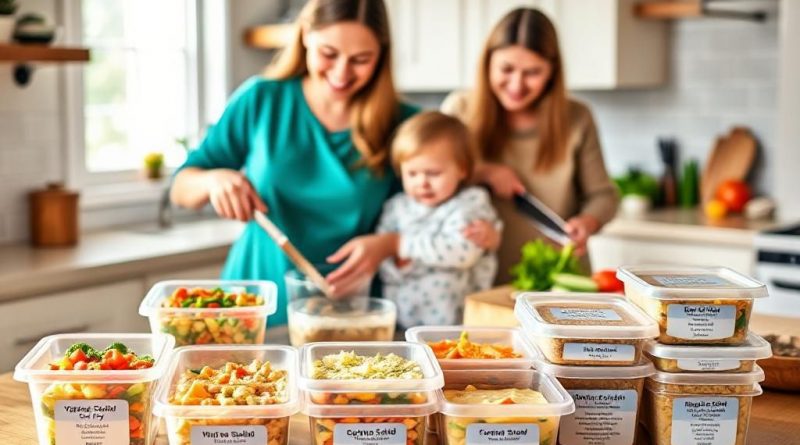
Easy postpartum-friendly frozen meals you can make at home.
The Ultimate Guide to Making Nourishing Postpartum Freezer Meals at Home
Let's be real: the days and weeks after giving birth are equal parts magical and exhausting. Between round-the-clock feedings, diaper changes, and trying to catch those elusive moments of sleep, who has time to cook? That's where postpartum freezer meals become your secret weapon. By preparing nutrient-dense meals ahead of time, you're not just saving yourself from endless takeout menus—you're actively supporting your body's healing process during one of life's most transformative periods.
In this guide, you'll discover exactly how to create freezer meals that deliver the specific nutrients your body craves after childbirth, practical storage tips, foolproof recipes, and common pitfalls to avoid.
Why Postpartum Freezer Meals Are Your Best Friend
Think of your postpartum period as your body's "fourth trimester"—a critical healing phase where proper nutrition isn't just nice to have; it's essential. Registered dietitians agree that your nutritional needs actually increase after giving birth, especially if you're breastfeeding. Yet, ironically, this is when cooking feels most impossible.
Postpartum freezer meals solve this paradox by:
- Reducing decision fatigue when you're already overwhelmed
- Ensuring you get key nutrients for healing and milk production
- Preventing reliance on less nutritious convenience foods
- Allowing partners or helpers to easily support your recovery
- Creating space for rest instead of kitchen time
These meals are specifically designed with postpartum recovery in mind, packed with the exact nutrients your body needs most right now.
The 5 Must-Have Nutrients for Postpartum Recovery
To create effective postpartum freezer meals, it's essential to know what makes a meal truly postpartum-friendly. Your body has specific nutritional requirements during recovery:
1. Protein Power
Your body needs protein to repair tissues, rebuild muscles, and support milk production. Aim for 20-30g of protein per meal from sources like:
- Grass-fed beef (rich in iron and B vitamins)
- Chicken thighs (with skin for extra fat)
- Lentils and beans (plant-based protein + fiber)
- Eggs (especially the yolks for choline)
2. Iron Replenishment
Blood loss during delivery depletes your iron stores, which can leave you feeling exhausted. Prioritize:
- Red meat (heme iron is most easily absorbed)
- Beef liver (a nutritional powerhouse)
- Dark leafy greens (spinach, kale)
- Pair with vitamin C-rich foods (like bell peppers) to boost absorption
3. Healthy Fats
Essential for hormone regulation, brain health, and milk production, include sources like:
- Coconut milk (great in curries)
- Avocado oil (for cooking)
- Olive oil (for dressings)
- Fatty fish like salmon (also rich in omega-3s)
4. Bone-Building Nutrients
Calcium and vitamin D become crucial, especially while breastfeeding:
- Bone broth (packed with minerals)
- Dairy products (if tolerated)
- Leafy greens (kale, collards)
- Fortified foods
5. Hydration Heroes
Many postpartum meals double as hydration sources. Look for options like:
- Soups and stews
- Bone broths
- Water-rich vegetables (zucchini, cucumbers)
"Nutritional needs are at their peak after you give birth," explains Stephanie Middleberg, MS, RD, CDN, author of The Big Book of Pregnancy Nutrition. "But with so much focus on the baby, it can be hard to prioritize healthy meals. Stocking your freezer with nutrient-dense foods is one of the most practical ways to support your recovery."
Your Step-by-Step Guide to Making Postpartum Freezer Meals
Step 1: Plan Strategically (Around 30 Weeks)
Don’t wait until your third trimester when energy dips. Schedule your freezer prep session during weeks 28-32 when you likely still have decent energy but aren’t in the “nesting” frenzy yet.
Pro tip: Enlist help! Make it a “freezer prep party” with friends or family. Many people want to help but don’t know how—this gives them a concrete way to support you.
Step 2: Build Your Postpartum Meal Menu
Create balance across meal types and nutrients:
- 3-4 breakfast options (burritos, egg muffins, smoothie packs)
- 5-6 dinner mains (stews, curries, meatballs)
- 2-3 soups or sides (lentil soup, roasted veggies)
- 3-4 snack options (energy balls, muffins)
Sample menu that covers all nutrient bases:
- Breakfast: Protein-packed breakfast burritos
- Lunch: Beef stew with root vegetables
- Dinner: Coconut curry with chickpeas and spinach
- Snack: Chocolate lentil muffins
Step 3: Gather Your Freezer Arsenal
Not all containers are created equal for postpartum meal storage:
- Souper Cubes or silicone trays: Perfect for portioning soups and stews
- Vacuum sealer: Removes air to prevent freezer burn (a worthy investment!)
- Freezer-safe glass containers: Leave 1–2 inches for expansion
- Heavy-duty freezer bags: Lay flat for space efficiency
- Freezer tape and markers: For clear labeling
Avoid: Thin plastic containers that crack, or containers you’ll want to reuse for non-food items later.
Step 4: Master the Freezing Process
Follow these steps for meals that taste fresh when thawed:
- Cool completely: Never freeze hot food—it creates ice crystals and affects texture
- Portion wisely: Freeze in single-serving sizes for easy reheating
- Remove air: Squeeze excess air from bags or use vacuum sealing
- Label thoroughly: Include meal name, date, and reheating instructions
- Freeze flat: Lay bags flat on baking sheets until solid, then stack
Step 5: Perfect Your Reheating Technique
How you thaw and reheat makes or breaks your freezer meal experience:
- Thaw overnight in fridge: Best for texture and food safety
- Reheat gently: Stovetop or oven preserves nutrients better than microwave
- Add fresh elements: A squeeze of lemon or fresh herbs brightens flavors
- Never refreeze: Only thaw what you’ll eat
Top 7 Postpartum Freezer Meal Recipes That Actually Work
The following recipes are designed with postpartum recovery in mind. They focus on high nutrient density, making them easy to prepare in bulk and freeze.
1. Protein Power Breakfast Burritos (Makes 8)
Why it works: Packed with 25g protein per serving and designed for one-handed eating.
Ingredients:
- 10 eggs, scrambled
- 1 can black beans, drained
- 2 cups shredded cheese
- 1 red bell pepper, diced
- 2 cups spinach, chopped
- 1 tsp cumin
- 8-10 whole grain tortillas
Freezing instructions:
- Assemble burritos while warm
- Wrap tightly in parchment paper, then foil
- Place in labeled freezer bag
- Freeze up to 3 months
Reheating: Remove foil, microwave 2-3 minutes or bake at 350°F for 15 minutes
2. Healing Beef Stew (Serves 6)
Why it works: Rich in iron from grass-fed beef and packed with healing bone broth.
Ingredients:
- 2 lbs grass-fed stew meat
- 4 cups bone broth
- 3 carrots, chopped
- 2 parsnips, chopped
- 1 onion, diced
- 3 cloves garlic, minced
- 2 tbsp tomato paste
- 1 tsp thyme
- 2 bay leaves
Freezing instructions:
- Cool completely
- Portion into Souper Cubes or containers
- Leave 1-inch headspace
- Freeze up to 3 months
Reheating: Thaw overnight, then simmer on stove for 20 minutes
3. Coconut Chickpea Curry (Serves 4)
Why it works: Healthy fats from coconut milk support hormone balance and milk supply.
Ingredients:
- 1 can chickpeas, drained
- 1 can coconut milk
- 2 sweet potatoes, cubed
- 2 cups spinach
- 1 onion, diced
- 3 cloves garlic
- 1 tbsp curry powder
- 1 cup vegetable broth
Freezing instructions:
- Cool completely
- Portion into containers
- Top with extra coconut milk before freezing
- Freeze up to 3 months
Reheating: Thaw overnight, then heat gently on stove with a splash of water
4. Turkey Meatballs with Hidden Veggies (Makes 20)
Why it works: Packed with protein and sneaks in extra nutrients from zucchini.
Ingredients:
- 1 lb ground turkey
- 1 small zucchini, grated and squeezed dry
- 1/4 cup breadcrumbs
- 1 egg
- 2 cloves garlic, minced
- 1 tsp Italian seasoning
Freezing instructions:
- Cook meatballs completely
- Cool on baking sheet
- Transfer to freezer bags in a single layer
- Freeze up to 3 months
Reheating: Bake from frozen at 375°F for 20-25 minutes
5. Iron-Boosting Lentil Soup (Serves 6)
Why it works: Lentils provide plant-based iron that's crucial for postpartum recovery.
Ingredients:
- 1 cup dried lentils
- 4 cups bone broth
- 2 carrots, chopped
- 2 celery stalks, chopped
- 1 onion, diced
- 2 cloves garlic
- 1 tsp cumin
- 2 cups spinach
Freezing instructions:
- Cool completely
- Portion into containers
- Leave 1-inch headspace
- Freeze up to 3 months
Reheating: Thaw overnight, then heat on stove for 15 minutes
6. No-Bake Energy Bites (Makes 12)
Why it works: Perfect one-handed snack rich in healthy fats and protein.
Ingredients:
- 1 cup oats
- 1/2 cup almond butter
- 1/4 cup honey
- 2 tbsp chia seeds
- 1/4 cup dark chocolate chips
- 1 scoop protein powder (optional)
Freezing instructions:
- Roll into balls
- Freeze on baking sheet
- Transfer to freezer bag
- Freeze up to 3 months
Reheating: Eat straight from the freezer!
7. Veggie-Packed Lasagna (Serves 8)
Why it works: Hidden veggies boost nutrition without compromising taste.
Ingredients:
- 1 lb ground beef or lentils
- 2 cups zucchini, grated
- 1 cup spinach, chopped
- 1 onion, diced
- 3 cups marinara sauce
- 9 lasagna noodles
- 2 cups ricotta
- 2 cups shredded mozzarella
Freezing instructions:
- Assemble in freezer-safe dish
- Cover tightly with foil
- Freeze up to 3 months
Reheating: Bake from frozen at 375°F for 60-70 minutes
Freezer Organization Hacks for Maximum Efficiency
A well-organized freezer is essential to prevent "meal avalanches" and ensures you actually use what you've prepared:
- Zone your freezer: Designate sections for breakfasts, dinners, and snacks.
- First in, first out: Place newer meals behind older ones.
- Create a master list: Keep a running inventory on your freezer door.
- Use clear bins: Group similar items (all breakfasts in one bin).
- Color code: Assign colors to different meal types (blue = breakfast, green = dinner).
Pro tip: Freeze smoothie ingredients in individual bags with portions already measured—just dump into the blender with liquid when ready!
5 Common Postpartum Freezer Meal Mistakes (And How to Avoid Them)
Mistake #1: Freezing Hot Food
Putting warm food directly in the freezer creates ice crystals and affects texture.
Fix: Cool food completely on the counter first, then transfer to the fridge for 1-2 hours before freezing.
Mistake #2: Not Leaving Expansion Space
Liquids expand when frozen—this is crucial, especially with glass containers.
Fix: Leave 1-2 inches of space at the top of containers.
Mistake #3: Poor Labeling
"Soup #3" won’t help you weeks later when you're exhausted.
Fix: Label with meal name, date, and simple reheating instructions ("Thaw overnight, heat for 20 min").
Mistake #4: Overlooking Texture Changes
Some foods don’t freeze well, such as mayo-based salads or raw lettuce.
Fix: Freeze components separately and assemble fresh (like keeping dressing separate from salad).
Mistake #5: Forgetting About Thaw Time
Assuming you can defrost a stew in 30 minutes when you’re hangry with a crying baby.
Fix: Plan ahead—most meals need 24 hours to thaw properly in the fridge.
This comprehensive foundation sets you up for successful postpartum meal prep, ensuring that nutritious and satisfying meals are conveniently at your fingertips during those busy early weeks with your little one.
Common Concerns About Postpartum Nutrition
Even with the best intentions, many new moms face challenges when it comes to maintaining a balanced diet during the postpartum period. Here are some common concerns that might arise and how to effectively address them:
1. Managing Time Constraints
In those early weeks with a newborn, time is often scarce. Meal prep can feel like yet another item on an overwhelming to-do list.
Solution: Focus on batch cooking. Dedicate a specific day each week to meal prep. Even an hour can yield several freezer-friendly meals. Plus, try to involve your partner or anyone willing to help—this can create a fun and collaborative atmosphere while reducing stress.
2. Getting Enough Variety
It’s easy to fall into a routine where you prepare the same meals repeatedly, leading to boredom and potential nutrient gaps.
Solution: Keep a recipe rotation going. Refer back to your menu and attempt at least one new recipe each week. Pinterest and food blogs are treasure troves for postpartum-specific meal ideas. Also, consider involving friends in the process; they might provide fresh ideas and recipes.
3. Handling Cravings and Hunger
Postpartum hormones can lead to cravings, and the energy demands of breastfeeding can result in increased hunger.
Solution: Prepare healthy snacks to have on hand. Energy bites, fruit, and yogurt are great for keeping hunger at bay. Having nutritious options readily available can help you avoid less healthy convenience foods.
4. Addressing Special Dietary Needs
Some new moms might require special diets due to allergies, health conditions, or personal choices like veganism.
Solution: Customize your recipes to fit your dietary needs. Most meals can be altered to incorporate plant-based proteins or to avoid allergens. For example, swap out beef for lentils in stews or use vegan cheese in casseroles.
Meal Planning for Different Situations
When prepping postpartum meals, consider the various scenarios you might face. Here’s how to tailor your meals for specific situations:
For Vegetarians or Vegans
Many nutrient-rich postpartum meals can be easily adapted:
Postpartum Meal Ideas
- Chickpea Salad with Avocado Dressing: Packed with protein and healthy fats, it’s a light, refreshing meal.
- Quinoa and Lentil Bowls: These can be adjusted with a variety of vegetables and dressings.
For Busy Professionals
If you return to work soon after delivery, ensure your meals are easy to reheat and take along:
Quick Meal Choices
- Mason Jar Salads: Layered veggies, protein, and grains keep everything fresh.
- Freezer-Friendly Wraps: These can be made ahead of time, stored in the freezer, and quickly reheated.
For Family Support
Don’t hesitate to coordinate with friends or family for meal trains. A meal train is when different people sign up to bring you meals during your postpartum period. Here are some foods that are great for a meal train:
- Casseroles: Easy to store and reheat.
- Soups and Stews: Provide comfort and warmth, plus they freeze well.
- Snacks: Healthy muffins or baked goods for quick breakfasts or energy boosts.
Staying Hydrated
Hydration is often overlooked but plays a crucial role in postpartum recovery, particularly for breastfeeding moms. Here are some tips to help keep hydration levels up:
- Infused Water: Create flavor by adding fruits or herbs to your water for an interesting twist.
- Herbal Teas: Offer soothing hydration and can assist with digestion.
- Smoothies: Combine hydrating fruits with leafy greens for a nutrient-packed option.
Important Nutritional Considerations
While eating well is essential, it’s also wise to be aware of the recommendations for postpartum supplementation:
Nursing Mothers
Breastfeeding can deplete nutrient stores. Consider these supplements, but consult your physician beforehand:
- Omega-3 Fatty Acids: Important for both your health and the baby's brain development.
- Multivitamins: To help fill any potential nutritional gaps in your diet.
- Vitamin D: Especially crucial if you're unable to get outside at all during the winter months.
Monitoring for Postpartum Conditions
Be mindful of how your body responds after birth. If you experience fatigue that seems excessive, difficulty concentrating, or changes in mood, it may be worthwhile to consult a healthcare provider. Such symptoms can sometimes signal postpartum depression or anxiety.
Conclusion and Moving Forward
With a little planning and preparation, you can transform your postpartum nutrition experience from stressful to supportive. Remember, it’s about creating a foundation that allows you to nourish yourself while adjusting to life with a newborn.
Keep experimenting with different recipes, and make adjustments based on your family’s preferences and dietary needs. Your future months will be filled with new experiences, and having nutritious meals ready to go will set you up for success in both your recovery and parenting journey.
As you embark on this journey, take a moment to celebrate the small victories, whether it’s successfully prepping a new recipe or managing to grab a healthy snack in between feedings. Your dedication to your health directly impacts your well-being and your ability to care for your little one. Enjoy the process, and remember, every meal you prepare is an investment in your health and happiness.