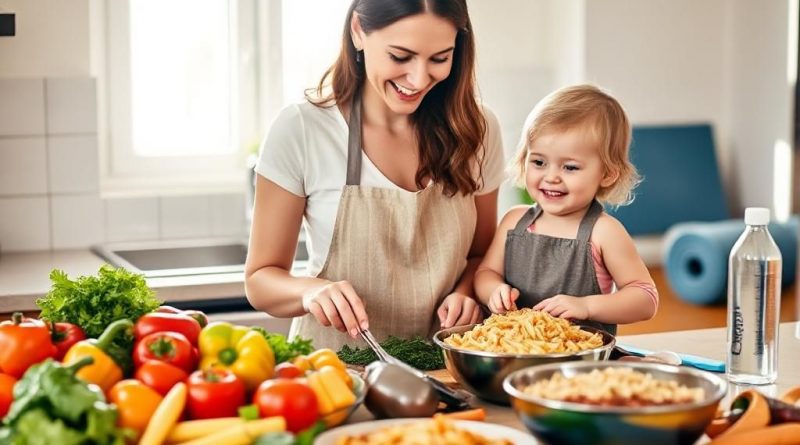
Easy kid-friendly postpartum meal ideas to keep everyone happy.
Kid-Friendly Postpartum Meals: Your Stress-Free Guide to Nourishing Family Dinners
The postpartum period is a beautiful yet overwhelming time filled with joy—and many challenges. You’re navigating around the demands of a newborn, managing sleepless nights, and still trying to be the rock for your other little ones. Amid all the chaos, the thought of meal preparation can feel like an added burden. That’s why having a stash of kid-friendly postpartum meals ready to go can be your lifesaver.
In this article, I’ll provide insights on how to prepare nutritious, easy-to-reheat meals that cater to both your recovery needs and your existing children's tastes. Whether you’re breastfeeding, formula-feeding, or just surviving on limited sleep, this guide will simplify mealtime for you.
Understanding the Unique Needs of Postpartum Nutrition (and Picky Eaters)
When it comes to postpartum recovery, nutrition plays a critical role in your healing process. Your body needs extra support to recover from childbirth, and balanced meals can significantly impact your energy levels and mood, especially during those initial sleep-deprived weeks.
Essential Nutrients for Recovery
- Protein: Vital for tissue repair. Aim for 70-100 grams daily, incorporating sources like meats, legumes, dairy, and eggs.
- Iron: Helps replenish lost blood. Good sources include lean meats, beans, spinach, and fortified cereals.
- Omega-3 Fatty Acids: Important for mood regulation and, if you’re breastfeeding, for your baby’s brain development. Include fish, flaxseed, and walnuts in your meals.
- Fiber: Helps combat constipation, a common concern postpartum. Whole grains, vegetables, and fruits should be staples in your diet.
- Calcium: Crucial for bone health and milk production. Incorporate calcium-rich foods like dairy products, leafy greens, and fortified non-dairy alternatives.
Creating meals that meet these nutritional needs while also being appealing to children may seem challenging. However, you can take advantage of kid-friendly flavors and textures that align with postpartum digestion requirements.
Top 5 Principles for Kid-Friendly Postpartum Meal Prep
Building a successful meal prep strategy for postpartum care involves child-friendly recipes without sacrificing nutrition. Here are some guiding principles:
1. Focus on Nutrient Density Without Compromising Taste
Start with simple dishes that children already enjoy and incorporate additional healthy components.
Example: A base of mild chicken and rice can be enhanced with extra turmeric and steamed greens for you, while still being familiar and appealing for your kids.
2. Create All-in-One Meals
One-pot meals or casseroles make for simple preparation and less cleanup while providing balanced nutrition. Think about combining protein, grains, and veggies into familiar dishes.
3. Easy Reheating and Minimal Cleanup
Meals that can be microwaved quickly make a huge difference when you’re handling a newborn. Burritos, wraps, and casseroles are excellent pick-and-reheat options that cut down on kitchen time.
4. Include Protein-Rich Options
Protein should be a focus, especially if you are breastfeeding. Incorporate ingredients like lean meat, eggs, tofu, and legumes to keep your energy levels high.
5. Make Family-Friendly Choices
Engage your kids in the selecting and preparing process. Have them help choose the meals during your planning phase, which makes them more likely to eat what’s served. This also helps instill healthier eating habits at a young age.
10 Must-Make Kid-Friendly Postpartum Freezer Meals
Here are ten tested and approved recipes designed to cater to both your postpartum recovery needs and your kids' tastes. Each recipe is nutritious, easy to make, and freezer-friendly:
1. Protein-Packed Breakfast Burritos
Quick to prepare and filled with eggs, black beans, and veggies, these burritos represent a powerhouse breakfast option. They provide essential protein and can be customized to suit both your dietary needs and your kids' preferences, meaning no crushed quiinoa on their part.
2. Mild Coconut Chicken Curry
A gentle introduction to spices, this dish uses coconut milk and is packed with nutrients while remaining mild enough for children. You can pair it with rice for a wholesome meal.
3. Beef and Vegetable Stew
Rich in iron and comforting, a stew is a classic choice that nourishes the body and warms the soul. Fine-chop the vegetables to blend seamlessly into the stew, making them less detectable for picky eaters.
4. Egg Muffins
These bite-sized, customizable muffins are perfect for breakfast or snacks. Make a variety loaded with vegetables and cheese, and your kids can pick their favorite flavors.
5. Non-Spicy Chili
This family-friendly chili option can be modified to suit different taste preferences with toppings. Extra beans can boost both fiber and protein content, making it nutritious for you while still appealing to kids.
6. Chicken and Broccoli Teriyaki
A favorite among kids, this healthier twist on takeout uses low-sodium soy sauce and broccoli for added vitamins. Serve it over brown rice for a balanced meal.
7. Mini Meatball Subs
Kids love sandwiches! Prepare mini meatball subs that are easy for little hands to hold, with a side of marinara for dipping. Freeze meatballs and sauce separately to maintain their quality.
8. Overnight Oats
These are simple to prepare in advance. Layer oats with milk, yogurt, and your favorite toppings in jars, allowing for a no-fuss, nutritious breakfast option.
9. Veggie-Packed Mac and Cheese
Sneak in healthy ingredients by adding blended butternut squash or cauliflower into mac and cheese—your children won't even know they're getting an extra nutrient boost.
10. Black Bean Burgers
Ideal for freezer storage, these can be made in bulk and provide plant-based protein. Serve them with whole grain or gluten-free buns to cater to various dietary needs.
Your Step-by-Step Postpartum Meal Prep Timeline
Meal prepping is about more than just cooking; it’s about planning ahead to ensure your smooth transition into the postpartum period. Here’s a practical timeline to guide your preparations:
8-12 Weeks Before Baby
- Assess Freezer Space: Determine how many meals you can realistically store.
- Gather Family Favorites: List meals your family agrees on to avoid mealtime stress.
- Plan Your Menu: Choose a limited selection of 10-12 recipes.
4-6 Weeks Before Baby
- Bulk Shopping: Stock up on freezer bags, containers, and basic pantry supplies.
- ** Cook Double Batches:** As you prepare regular meals, create extras for the freezer.
2-4 Weeks Before Baby
- Cooking Marathon: Set aside weekends specifically for meal prep.
- Involve Helpers: Invite friends or family over for a freezer meal assembly party.
1-2 Weeks Before Baby
- Last-Minute Touches: Finish any extra freezer meals that you may rely on during the early days postpartum.
- Organize Freezer: Arrange your prepped meals by type to streamline accessibility.
Smart Storage and Reheating Techniques
The way you store and reheat your meals can greatly affect their quality and ease of use. Here are some tips to maximize your postpartum meals:
Container Strategies
- Souper Cubes / Ice Cube Trays: Great for freezing soups and sauces in small portions.
- Mason Jars: Ideal for overnight oats and salads but avoid filling them to the brim to prevent breakage.
- Freezer Bags: Make sure to lay them flat when freezing, which saves space and ensures quick thawing.
- Glass Containers: These are perfect for baking and reheating casseroles but remember to let them cool completely before freezing to avoid cracking.
Labeling
Clearly label each container with the meal name, date, and reheating instructions to avoid confusion when you’re lived on caffeine and lack of sleep.
Common Postpartum Meal Prep Mistakes to Avoid
Successful meal prep comes from planning, simplicity, and understanding your family’s preferences. Here are common pitfalls to sidestep:
1. Overcomplicating Recipes
Resist the urge to pick complex recipes. Quick meals with five to seven ingredients are more practical.
2. Skipping Snacks
Ensure healthy snacks are available to avoid unhealthy binge eating during long days. Options like yogurt, fruit, and pre-portioned nuts work excellently.
3. Ignoring Texture Preferences
Many new moms experience temporary digestive sensitivity—avoid hard-to-digest foods initially.
4. Making Everything Spicy
Keep it mild during the early postpartum phase, with hot sauce on the side for later use.
5. Forgetting Portioning
Portion your meals for individual servings to reduce waste when food isn’t finished.
With effective strategies and planning, creating kid-friendly postpartum meals becomes manageable and enjoyable, allowing you to focus on the precious moments you have with your new family member. Prepare these meals in advance; you’ll be grateful when the time comes to nourish yourself and your family during this transition.
Common Postpartum Meal Prep Mistakes to Avoid
Successful meal prepping comes from good planning, simplicity, and understanding your family’s preferences. Here are common pitfalls to sidestep as you embark on your postpartum cooking journey:
1. Overcomplicating Recipes
Resist the urge to choose complex recipe options. Quick meals with five to seven ingredients are more practical during the postpartum period when your time is limited. Stick to what’s easy and implement supportive flavors that appeal to kids.
2. Skipping Snacks
Don’t forget about healthy snack options that are quick and easy to grab. Fueling your body throughout the day is vital, especially when you’re busy with a newborn. Stock up on
- Yogurt: Individual portions of Greek yogurt with fruit or honey.
- Fruits: Apples, bananas, and berries that require little to no prep.
- Pre-Portioned Nuts: Great sources of healthy fats and protein.
3. Ignoring Texture Preferences
Many new moms experience temporary digestive sensitivities. It’s wise to avoid hard-to-digest foods, especially those high in fiber or heavy spices initially. Think about the texture offerings in your meals—favor soft options that are easy on recovering tummies.
4. Making Everything Spicy
While you may crave heat, it’s best to keep meals mild during the early postpartum phase. If you’re preparing dishes that can be “spiced up” later, keep hot sauces and spices on the side for when your digestive system feels more settled.
5. Forgetting About Portion Sizes
Freeze individual portions to make reheating straightforward and reduce the risk of waste. This approach can help maintain portions that suit your appetite while providing exactly what you need, eliminating the stress of cooking more food than you can consume.
FAQs About Kid-Friendly Postpartum Meals
As you dive into prepping meals, here are some commonly asked questions that may help clarify your approach:
How far in advance can I prepare postpartum freezer meals?
Most meals retain their quality in the freezer for about 2-3 months. Start cooking within 4 weeks of your due date to ensure you have meals prepped before you go into labor.
What if I’m breastfeeding? Are there special considerations?
If you’re breastfeeding, focus on adding nutrient-dense ingredients like oats, flaxseed, and plenty of hydration. While you may want to incorporate lactation-boosting ingredients into your meals, keep in mind that those can be optional for your children’s meals to maintain their acceptance.
How do I handle food allergies across my family?
Creating “allergy-safe” versions of your base recipes is a smart move. For example, if you’re making meatballs, prepare a gluten-free version for family members who need it, labeling clearly to avoid confusion when pulling meals from the freezer.
Can I really make these meals kid-friendly without sacrificing nutrition?
Absolutely! Strategic ingredient boosting is the key. For example, add extra veggies to your pasta sauce, or include milder flavors to suit the children while packing in additional nutrients. Making these small adjustments can help make meals appealing for all ages.
What’s the most important meal to prep?
Breakfast should be at the top of your list! Having quick options like overnight oats or breakfast burritos on hand is crucial for preventing unhealthy choices during busy mornings.
Final Thoughts on Planning Your Postpartum Meals
As you prepare for your postpartum period, remember that kid-friendly postpartum meals are not merely about sustenance but creating an enjoyable experience that allows your family to bond during mealtime. The approaches outlined here focus not just on getting food on the table, but also on nourishing your body, fostering family connections, and embracing the new rhythm of parenthood.
Start with one recipe and gradually build up your freezer stash. Your family will thank you for the delicious meals that bring fulfillment to both your recovery and your children’s needs.
When you find yourself rummaging through the freezer on a particularly hectic day, you’ll appreciate the foresight you took in preparing these meals ahead of time—turning a challenging adjustment into a manageable transition with love-filled dinners.