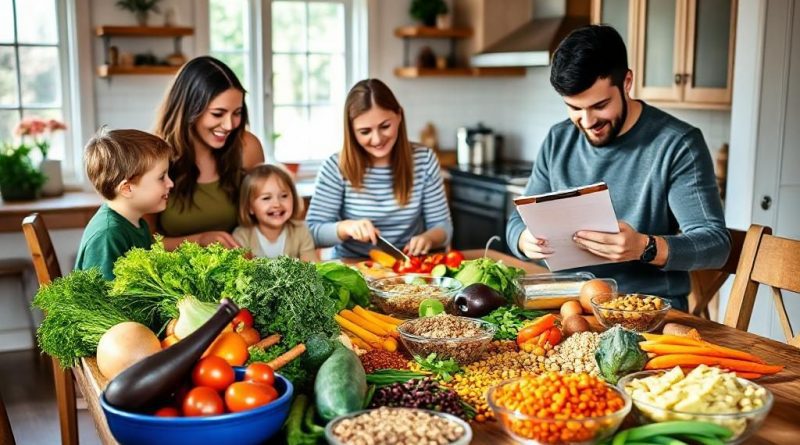
Easy dairy-free meal prep ideas for busy weeknights.
Simple Dairy-Free Meal Prep Ideas: Your Stress-Free Guide to Delicious, Dairy-Free Eating
Let's face it: juggling work, family, and personal time while trying to eat healthy can feel like a circus act. Now add dairy restrictions to the mix, and it's enough to make you want to order pizza again. Whether you're lactose intolerant, vegan, or simply cutting back on dairy for health reasons, meal prepping can be your secret weapon. In this guide, you'll discover practical dairy-free meal prep ideas that save time, reduce stress, and actually taste amazing—no bland, boring meals here.
Why Dairy-Free Meal Prep Matters More Than You Think
Dairy-free eating isn't just a trend—it's a necessity for a significant portion of the population. Approximately 65-70% of the global population has some form of lactose intolerance, according to research conducted by the National Institutes of Health (NIH). In the U.S., this translates into millions of individuals who experience uncomfortable symptoms such as bloating, gas, and cramps when consuming dairy. Furthermore, many health professionals advocate for reducing dairy consumption to improve digestion and lower inflammation, even for those without obvious intolerances.
Meal prepping addresses a common challenge for those adopting a dairy-free lifestyle: the constant dilemma of "What can I eat that won’t upset my stomach?" By having ready-to-go meals, you can eliminate meal-time stress and avoid last-minute takeout that might not align with your dietary needs. As registered dietitian Sarah Johnson puts it, "Meal prep transforms what could feel like restrictive eating into an opportunity for culinary creativity. When you plan ahead, you discover incredible flavors and textures you might never have tried otherwise."
Getting Started with Dairy-Free Meal Prep: Your Step-by-Step Roadmap
Step 1: Audit Your Current Diet and Identify Dairy Traps
Before diving headfirst into meal prep, take a moment to evaluate where dairy sneaks into your daily meals. Common culprits include:
- Breakfast: Yogurt, milk in cereal, butter on toast
- Lunch: Cheese in sandwiches, creamy dressings, milk-based soups
- Dinner: Cheese toppings, creamy sauces, butter in cooking
- Snacks: Cheese sticks, yogurt, ice cream
Most people are surprised to find how many hidden dairy sources exist in their food choices. Always check labels for terms like whey, casein, and lactose—these are common dairy derivatives that can lurk in many processed items.
Step 2: Build Your Dairy-Free Pantry Foundation
Creating a well-stocked pantry is crucial for successful dairy-free meal prep. Here are essential items to consider:
Protein Powerhouses
- Canned Beans and Lentils: These are versatile, filling, and can be used in various recipes.
- Tofu and Tempeh: Both are excellent sources of protein and can take on different flavors depending on preparation.
- Nuts and Seeds: Great for snacking and adding crunch to dishes.
- Nutritional Yeast: A key ingredient that imparts a cheesy flavor to many vegan recipes.
Dairy Substitutes
- Unsweetened Almond, Oat, or Soy Milk: Use these in place of cow's milk in recipes.
- Coconut Milk: Ideal for cooking, especially in curries or soups.
- Cashews: These can be blended into a creamy base for sauces or soups.
- Dairy-Free Yogurt: Look for options that use coconut or almond milk.
Flavor Boosters
- Tahini: A sesame seed paste that adds a rich and nutty flavor to dressings.
- Miso Paste: Great for soups and marinades, adding umami depth.
- Coconut Aminos: A soy sauce alternative that is often less salty.
Step 3: Choose Your Meal Prep Style
Recognizing that not everyone preps meals the same way, consider what style suits you best:
- Batch Cooking: Prepare large quantities of single dishes (like lentil soup or chili) to eat throughout the week.
- Component Prep: Cook individual elements (grains, proteins, veggies) that can be mixed and matched throughout the week.
- Freezer-Friendly Meals: Cook double batches of meals like dairy-free meatballs or stews for easy freezing.
- Assembly-Style Prep: Gather ingredients for quick assembly (like taco bars or grain bowls).
Meal planning expert Lisa Rodriguez suggests that "component prep works best for most dairy-free eaters. It prevents flavor fatigue and allows for customization based on daily cravings."
Step 4: Plan Your First Dairy-Free Menu
Starting simple can help ease you into dairy-free meal prep. Here’s a beginner-friendly template:
Breakfast: Overnight oats with almond milk, chia seeds, and fresh fruit
Lunch: Quinoa bowl with roasted vegetables, chickpeas, and tahini dressing
Dinner: Baked salmon with lemon-herb seasoning and roasted sweet potatoes
Snack: Apple slices with almond butter
Top Dairy-Free Meal Prep Recipes by Meal Type
Breakfasts That Actually Keep You Full
Maple Apple Steel Cut Oats
Prepare steel cut oats with unsweetened almond milk, diced apples, maple syrup, and a sprinkle of cinnamon. Store in containers and refrigerate for up to five days. Just reheat with a splash of almond milk for a wholesome breakfast.
Tofu Scramble Muffins
Combine firm tofu mixed with nutritional yeast, turmeric, black pepper, and spinach in muffin tins. Bake for a quick, protein-packed breakfast that can be frozen and reheated in the microwave.
Pro Tip: Add a tablespoon of ground flaxseed to your breakfasts for an extra boost of fiber and omega-3s.
Lunch Solutions That Beat the Salad Rut
Chicken Quinoa Fried "Rice" Bowls
Sauté cooked quinoa with diced chicken, peas, carrots, and green onions in coconut aminos for added flavor. Portion into meal containers with extra veggies on the side, which remain fresh for four days.
Lentil Soup with Root Vegetables
This hearty vegan soup freezes well. Combine lentils with carrots, celery, onions, and vegetable broth. Portion out into containers for instant lunches.
Harissa Vegetable & Quinoa Bowls
Roast seasonal vegetables tossed in harissa paste and pair them with cooked quinoa. Finish it off with a dollop of fermented coconut yogurt for added probiotics.
Dinner Wins That Feel Special
Coconut Curry Chicken Meatballs
Mix ground chicken with red curry paste and garlic, then bake into meatballs. Serve with a coconut milk sauce—a dish that can be frozen for quick dinners.
Sheet-Pan Miso Chicken & Sweet Potatoes
Marinate chicken thighs and cube sweet potatoes in a miso-chili blend before roasting. The sweet potatoes caramelize and enhance the savory taste, making this a crowd-pleaser.
One-Pan Coconut Dhal
Combining red lentils with coconut milk and warming spices, this vegan dish is naturally dairy-free and tastes even better as leftovers.
Snack Attack Solutions
No-Bake Energy Bites
Process dates, almonds, cocoa powder, and almond butter together, rolling them into bite-sized balls. Store these in the fridge for grab-and-go snacks.
Roasted Chickpeas
Toss canned chickpeas with olive oil and spices, then roast until crispy. They make for an addictive and nutritious snack that lasts for up to two weeks in an airtight container.
Essential Dairy Substitutes for Meal Prep Success
Navigating dairy alternatives can feel overwhelming, but understanding a few key substitutes can make things easier:
For Creaminess:
- Cashew Cream: Soak raw cashews and blend them with water to create a creamy base.
- Coconut Milk: Opt for canned coconut milk in recipes requiring creaminess.
- Silken Tofu: A great addition to smoothies or sauces, providing creaminess without dairy.
For Cheese Flavor:
- Nutritional Yeast: This provides a savory, cheesy flavor without dairy.
- Tahini: Use it in dressings to lend richness and depth.
- Vegan Cheese Alternatives: Always check for minimal ingredients to avoid excessive oils.
For Baking:
- Unsweetened Applesauce: Replace butter in baked goods for moisture.
- Avocado: Mashed avocado makes a delightful substitute in brownies.
- Plant-Based Yogurts: Incorporate unsweetened varieties into your baking recipes.
Storage and Reheating Tips for Dairy-Free Meals
Dairy-free meals often have unique storage requirements. Here are some guidelines to maximize freshness:
Refrigeration Times:
- Cooked grains like quinoa last about 5-6 days.
- Cooked beans and lentils can be held safely for around 5 days.
- Tofu and tempeh typically keep for about 4-5 days.
- Roasted vegetables are best enjoyed within 4 days.
- Soups and stews last about 4-5 days as well.
Freezing Best Practices:
- Leave ample space in containers to allow for expansion.
- Always label containers with contents and dates.
- Freeze sauces flat in zip-top bags for easier storage.
Reheating Secrets:
- Rehydrate grains by adding a splash of plant milk or water while reheating.
- To bring back crispiness to roasted items, consider using the oven rather than a microwave.
Common Dairy-Free Meal Prep Mistakes to Avoid
Mistake #1: Assuming All "Dairy-Free" Labels Mean Healthy
Many processed dairy alternatives can contain excessive sugars and unhealthy fats. The solution? Focus on whole food alternatives.
Mistake #2: Not Planning for Calcium Intake
Dairy is a common calcium source; thus, cutting it out without suitable replacements can lead to deficiencies. Consider incorporating fortified plant milks and other calcium-rich foods.
Mistake #3: Overcomplicating Your First Attempts
Avoid overwhelming yourself by attempting to prep too many meals at once. Start with a few reliable recipes to build confidence.
Mistake #4: Ignoring Texture Changes
Some dairy-free substitutes behave differently when frozen. Test small batches before cooking in bulk to ensure your meals maintain the desired texture.
This article provides a thorough exploration of dairy-free meal prep, scaled for easy adoption and maximized for convenience. By implementing these strategies, you'll find that preparing meals without dairy is both manageable and rewarding—no more stress at mealtime!
FAQs About Dairy-Free Meal Prep
In addition to the meal prep tips and recipes provided, here are some frequently asked questions that can help address common concerns about dairy-free meal preparation:
Q: How do I replace cheese in meal prep without missing it?
A: Nutritional yeast is your secret weapon—it delivers cheesy flavor without dairy. For texture, consider using cashew-based “cheese” sauces or roasted mushrooms that offer umami richness.
Q: Can I freeze meals with coconut milk?
A: Yes, meals prepared with coconut milk can be frozen, but separation may occur. Thaw overnight in the refrigerator and reheat gently while stirring. Adding a teaspoon of cornstarch to the sauce before freezing can help maintain texture.
Q: How long do dairy-free meals last compared to regular meal prep?
A: Most dairy-free meals last just as long as regular meal prep (4-5 days in the fridge). However, dishes containing fresh avocado or delicate greens should have those ingredients added fresh when you serve them.
Q: What’s the easiest dairy substitution for beginners?
A: Unsweetened almond or oat milk works in almost any recipe calling for regular milk. Coconut aminos also make a fantastic dairy-free alternative when a recipe calls for butter in savory dishes.
Q: Do I need special containers for dairy-free meal prep?
A: Standard glass or BPA-free plastic containers work well. If you share kitchen space, consider using color-coded containers to prevent cross-contamination.
Your Dairy-Free Meal Prep Action Plan
To put the information you’ve learned into practice, it’s essential to have an actionable plan in place. Here’s how you can kick off your dairy-free meal prep journey:
- Choose Your Recipes: Start simple with 2-3 recipes from the ones discussed. For example, try the Maple Apple Steel Cut Oats for breakfast and Chicken Quinoa Fried “Rice” Bowls for lunch.
- Set a Shopping List: Use the pantry foundation and dairy substitutes discussed to prepare a shopping list. This helps ensure you have everything you need on hand.
- Block Time for Meal Prep: Schedule a time in your week dedicated to meal prepping. Whether it’s a Sunday afternoon or a weekday evening, consistency is key!
- Engage Your Family: Get family members involved in the meal prep process. This can not only make it more fun but also help everyone learn about dairy-free eating.
- Track Your Progress: Keep a journal or use an app to note what works and what doesn’t. Your experience will inform your future meal prep sessions.
Meal Prep Containers: Choosing the Right Fit
Having the right meal prep containers can make a significant difference in your meal prep efficiency and food storage. Here are some key points to consider:
Material Matters
Choose containers that are made from high-quality materials. Options include:
- Glass Containers: Durable and great for reheating, glass can also go from fridge to oven.
- BPA-Free Plastic: Lightweight and often more affordable, these are great for on-the-go meals.
- Silicone Bags: Reusable and flexible, silicone bags are perfect for various food items and can also be used for marinating.
Size and Shape
Select a variety of shapes and sizes to accommodate different meal portions. Keeping smaller containers for snacks and larger ones for full meals ensures versatility in your meal prep.
Divided Containers
Consider containers with compartments to avoid mixing flavors, especially for meals that include sauces or dressings. This keeps dishes fresh and appealing through the week.
Top Tips for a Successful Dairy-Free Meal Prep
Here’s a summary of essential strategies that will guide you in mastering dairy-free meal prep:
- Batch Cooking: Make larger portions of your favorite recipes, as they can be stored and eaten throughout the week.
- Label Everything: Use labels with dates to keep track of your meals’ freshness, especially if you’re freezing them.
- Experiment with New Ingredients: Keep your meals interesting by trying new seasonal fruits, vegetables, and spices each week.
- Stay Open to Adjustments: Not every meal will be a hit. Adjust recipes based on what you enjoy and what your family prefers.
- Don’t Rush the Process: Good meal prep takes time. Enjoy the process and see it as a chance to explore new recipes!
Wrapping It Up: Your Path to Easy Dairy-Free Cooking
With all these strategies at your disposal, transitioning to a dairy-free meal prep routine can be both achievable and enjoyable. Embrace the creativity that comes with cooking without dairy and allow your palate to explore a world of new flavors and textures. Remember, this is not just about substituting ingredients; it’s about creating delicious, satisfying meals that you and your loved ones will look forward to eating.
As you embark on your dairy-free meal prep journey, let your creativity shine and experiment with different recipes and preparation methods. You might just discover new favorites that inspire you to keep cooking and prepping.
What delicious dairy-free meal will you prepare next? Happy cooking!