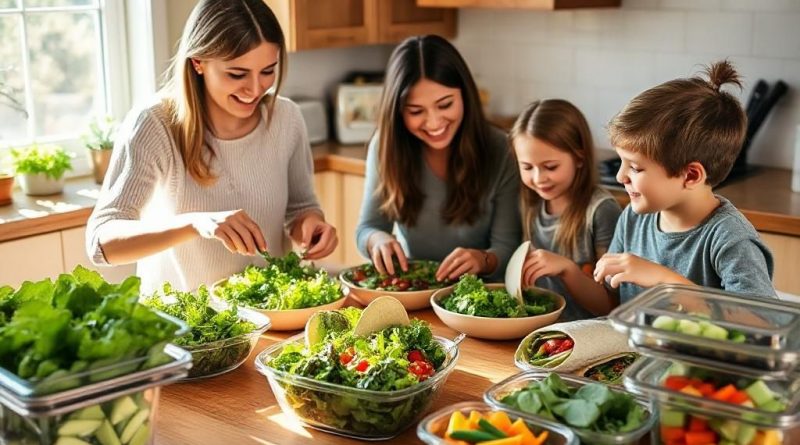
Easy and delicious ways to add greens to your family’s meals.
10 Painless Ways to Add Greens to Family Meals (Kids Won’t Even Notice!)
Let’s be real: getting your family to eat their greens often feels like a losing battle. You chop, you cook, you plead…and those vibrant kale leaves end up pushed to the side of the plate. You’re not alone. The CDC reports a staggering 90% of U.S. kids don’t eat enough vegetables, and leafy greens are usually the toughest sell. But what if adding greens wasn’t a fight? What if spinach magically disappeared into spaghetti, or kale vanished into a chocolatey smoothie?
As a mom of two picky eaters and a registered dietitian who’s worked with hundreds of families, I’ve cracked the code. Adding greens to family meals doesn’t require fancy skills or expensive gadgets—it’s about smart, stealthy swaps anyone can master. Forget forcing down bitter bites. This guide delivers simple ways to add greens that actually work, backed by real kitchen-tested strategies. You’ll learn how to boost nutrients without the drama, using tricks that keep meals delicious and recognizable. Ready to transform "yuck" into "yum"? Let’s dive in.
Why Adding Greens to Family Meals Matters (Without the Guilt)
Leafy greens like spinach, kale, and Swiss chard are nutritional powerhouses. Packed with vitamins A, C, and K, folate, iron, and fiber, they support everything from strong bones to healthy digestion. But let’s skip the lecture. The real win? Sneaking greens into kids' food isn’t about perfection—it’s about progress. You don’t need to overhaul every meal. Start small: adding just ½ cup of spinach to a smoothie or pasta sauce gives your family a stealthy nutrient boost. As pediatric nutritionist Dr. Sarah Jones notes, "Consistency beats quantity. One extra handful of greens daily builds lifelong habits far more effectively than occasional 'superfood' feasts."
The goal isn’t to trick your family (though a little camouflage helps!). It’s about making nutrient-dense eating effortless and sustainable. And yes—your kids will adapt. Taste preferences change, especially when greens are woven into familiar favorites.
7 Simple Ways to Add Greens (That Actually Work)
Forget complicated recipes. These easy ways to add greens to meals take minutes and use ingredients you likely have now. Focus on integration, not isolation.
1. Blend Them Into Smoothies (The "Chocolate Shake" Trick)
This is the #1 hack for sneaking greens into kids' food. Why it works: mild-flavored greens like baby spinach or romaine disappear completely when blended with sweet fruits.
- How to do it: For every 1 cup of liquid (milk, almond milk, or juice), add 1 cup packed spinach + 1 frozen banana + 1 tbsp cocoa powder or nut butter. Blend until smooth.
- Pro tip: Call it a "Chocolate Power Shake" or "Green Machine Smoothie." My kids never questioned why their "chocolate shake" was extra thick and vibrant!
- Why it’s foolproof: Spinach has almost no flavor here, but delivers iron and vitamin K. Studies show kids consume 30% more veggies when blended into smoothies versus served raw (Journal of Nutrition Education and Behavior).
2. Stir Them Into Sauces and Soups
Pasta sauce, chili, or even mac and cheese—adding greens to family meals is easiest when they’re hidden in saucy dishes.
- How to do it: During the last 5 minutes of cooking, stir in 2-3 handfuls of chopped spinach, kale, or Swiss chard. They’ll wilt instantly.
- Pro tip: Finely chop tougher greens like kale first. For tomato-based sauces, add a pinch of sugar to balance any bitterness.
- Real example: My "Sneaky Spinach Spaghetti" uses 3 cups spinach blended into marinara. My husband ate it for years before realizing it wasn’t "just regular sauce."
3. Fold Them Into Eggs and Breakfasts
Breakfast is prime time for simple ways to add greens. Eggs, oatmeal, and even pancakes can handle a green boost.
- How to do it:
- Scrambled eggs: Whisk in ¼ cup finely chopped spinach or kale per 2 eggs.
- Oatmeal: Stir in a handful of baby spinach while cooking—it wilts down to nothing.
- Pancakes: Blend 1 cup spinach into the batter (works best with banana or pumpkin spice flavors).
- Pro tip: Sauté greens first with garlic or onions to deepen flavor. Kids rarely notice them mixed into fluffy scrambled eggs.
4. Swap Lettuce for Wraps (No Cooking Required!)
Ditch the bread! Healthy dinner ideas with more greens start with lettuce cups.
- How to do it: Use large butter lettuce or romaine leaves instead of tortillas for tacos, chicken salad, or turkey burgers.
- Pro tip: Pat leaves dry with a paper towel first so fillings don’t slip out. Try The Healthy Epicurean’s Quinoa Mushroom San Choy Bow—kids love building their own!
- Why it works: It’s interactive ("Make your own wrap!"), and the lettuce adds crunch without changing the meal’s core flavor.
5. Bake Them Into Breads and Muffins
Yes, really! Zucchini bread isn’t the only green-friendly baked good.
- How to do it: Add 1 cup finely grated zucchini, spinach, or kale (squeezed dry) to muffin, pancake, or quick bread batter.
- Pro tip: Pair with strong flavors like chocolate chips, blueberries, or cinnamon. My "Green Monster Muffins" (spinach + banana + chocolate) are a weekly staple.
- Bonus: Freezes beautifully for busy mornings.
6. Toss Them Into Grain Bowls and Pasta
This is the easiest way to add greens to family meals without "sneaking." Make greens a standard component.
- How to do it: Stir 2 cups fresh spinach or arugula into hot pasta, rice, or quinoa right before serving. The residual heat wilts it perfectly.
- Pro tip: Massage kale with 1 tsp olive oil first to soften it. Add lemon juice or Parmesan to make it irresistible.
- Try this: Creamy Kale Pasta (from The Healthy Epicurean)—blend cooked kale with garlic, olive oil, and a splash of pasta water for a vibrant, nutrient-packed sauce in 10 minutes.
7. Make "Green" Dips and Dressings
Turn veggies into the star of snack time.
- How to do it: Blend spinach or avocado into ranch dressing, hummus, or guacamole.
- Pro tip: For picky eaters, start with ¼ cup spinach per 1 cup dip—color is barely noticeable. Serve with colorful veggie sticks (carrots, bell peppers) for double the greens.
- Why it’s genius: Kids focus on the dip, not the greens. House of Harper’s veggie tray hack proves it—pair with hummus, and they’ll devour cucumbers and endive without fuss.
Top Tools for Effortless Green Integration
You don’t need fancy gear, but these make adding greens to family meals even simpler:
- High-speed blender (like Ninja or Vitamix): Crucial for smooth, grit-free green smoothies.
- Microplane grater: Finely shreds zucchini or carrots into batters.
- Pre-washed greens: Save time with bags of baby spinach or spring mix (Trader Joe’s and Costco have great options).
- Freezer bags: Blanch and freeze chopped kale/spinach in 1-cup portions for smoothies or soups.
3 Common Mistakes to Avoid
Even with the best simple ways to add greens, pitfalls happen. Steer clear of these:
- Overdoing the Bitter Greens: Starting with raw kale in smoothies = disaster. Stick to mild baby spinach or romaine for beginners.
- Adding Too Much, Too Fast: Introduce one green-packed meal per week. Sudden changes trigger resistance.
- Forgetting Flavor Balance: Greens need fat (olive oil, avocado) and acid (lemon juice, vinegar) to shine. Skip this, and they’ll taste muddy.
Real Family Success Stories
The Dinner Shift’s frittata hack transformed my weeknights: "I toss leftover wilted kale and deli ham into eggs with red peppers. My kids eat it because it looks like a ‘pizza omelet’—and I get zero food waste!"
One mom shared how spaghetti became a green gateway: "I started with ½ cup spinach in the sauce. Now my 5-year-old asks for ‘extra green noodles.’"
FAQs: Your Green Questions, Answered
Q: How much greens should I add per meal?
A: Start small! For sauces/smoothies: ½–1 cup per serving. For kids, begin with 2–4 tbsp finely chopped greens and gradually increase.
Q: My kid hates the texture of greens. Any fixes?
A: Blend, blend, blend! Smoothies, sauces, and baked goods eliminate texture issues. Sautéing greens until very tender also helps.
Q: Are frozen greens as good as fresh?
A: Absolutely! Frozen spinach/kale is pre-chopped and just as nutrient-dense. Perfect for soups, sauces, and smoothies.
Q: What if my family still refuses?
A: Stay calm. Offer greens consistently without pressure. Pair them with familiar favorites (e.g., spinach dip with chips). It can take 10–15 exposures for a child to accept a new food.
The Bottom Line: Small Shifts, Big Wins
You don’t need to serve kale salads every night to add greens to family meals. Start with one strategy—maybe blending spinach into your morning smoothie or stirring it into spaghetti sauce. Celebrate tiny victories: that extra handful of spinach is progress. As you make greens a seamless part of your routine, your family’s taste buds will adapt, and those nutrient-packed bites will become second nature.
Your action step this week: Pick one method from this list and try it tonight. Blend greens into your smoothie, stir spinach into pasta sauce, or swap lettuce for wraps. Notice how easily it fits into your rhythm. In just 7 days, you’ll have taken a powerful step toward healthier, happier meals—no battles required.
Creative Meal Planning for More Greens
Now that you've learned some simple ways to add greens to family meals, let’s talk about meal planning. Strategic planning can make it easier to incorporate your newfound leafy friends without added stress. Here’s how to maximize your cooking time and ensure your family gets more greens throughout the week.
Meal Prep Tip: The Power of Batch Cooking
Batch cooking allows you to prepare large quantities of greens at once, making it easier to add them to meals throughout the week.
-
What to do:
- Set aside a couple of hours each week to wash and chop greens, then store them in air-tight containers in the fridge.
- Try mixing darker greens (like kale or Swiss chard) with milder greens (like spinach) to create a versatile mix for cooking or salads.
-
How it helps: Having greens ready to go cuts down prep time during busy evenings. Toss prepped greens into your stir-fries, soups, or grain bowls in minutes.
-
Pro tip: Freeze any extra greens if you start noticing them wilting. They can be easily added to smoothies or soups later.
Weekly Green Meal Plan Ideas
Here’s a straightforward example of a meal plan that incorporates a variety of greens while keeping cooking times manageable.
Sample Weekly Meal Plan
-
Monday
- Breakfast: Spinach and cheese omelet
- Lunch: Quinoa bowl with sautéed kale and chickpeas
- Dinner: Spaghetti with spinach-infused marinara
-
Tuesday
- Breakfast: Green smoothie with banana, baby spinach, and almond milk
- Lunch: Leftover quinoa bowl from Monday
- Dinner: Tacos with shredded lettuce and avocado
-
Wednesday
- Breakfast: Overnight oats topped with cooked greens mixed in (like sautéed kale)
- Lunch: Spinach salad with grilled chicken and vinaigrette
- Dinner: Frittata using leftover veggies and greens
-
Thursday
- Breakfast: Smoothie bowl with added spinach
- Lunch: Hummus with veggie sticks including cucumbers and endive
- Dinner: Stir-fried broccoli and bok choy with rice
-
Friday
- Breakfast: Smoothie pancakes with spinach blended in
- Lunch: Leftover stir-fry from Thursday
- Dinner: Baked salmon with wilted baby spinach on the side
-
Saturday
- Breakfast: Savory muffins with spinach and cheese
- Lunch: Wraps with lettuce leaves, turkey, and roasted veggies
- Dinner: Kale Caesar salad
-
Sunday
- Breakfast: Green breakfast burrito with scrambled eggs and spinach
- Lunch: Vegetable soup loaded with greens
- Dinner: Experiment night! Try a new green-focused recipe.
For Various Dietary Needs
Not everyone in your family may eat the same way; adapting these recipes to accommodate different dietary restrictions is key. Here’s how you can add greens while catering to various lifestyles.
Veggie-Lovers
For those who prefer a plant-based approach, focus on hearty greens like collard greens and use legumes for protein. Try a vegan quiche with a base made from chickpea flour and filling it with assorted wilting greens.
Gluten-Free Alternatives
Substitute traditional pasta with spiralized zucchini or gluten-free grains. Mixing greens like arugula or baby spinach into the sauce will only enhance the flavor and nutrition.
Paleo or Keto Options
To align with these diets, emphasize low-carb greens like spinach, kale, and mustard greens. Use oils and fats judiciously to prepare your greens, combining them with protein sources such as grilled chicken or fish.
Avoiding Common Mistakes in Green Integration
Integrating more greens into family meals is a fantastic step, but mistakes can still happen. Here’s how to avoid them:
-
Neglecting Seasoning
It’s easy to forget that greens need flavor. Always enhance their tastes with spices, herbs, or a squeeze of lemon juice to make them more appealing. -
Limiting Variety
Using the same greens can get dull fast. Experiment with a variety of greens and rotating types weekly—spinach one week, mustard greens the next, and collards after that—to keep things interesting. -
Serving Too Many at Once
Gradually introducing greens to meals can be more successful than overwhelming family members with a plateful of them at once. Start with one dish per meal, and increase the amount slowly over time.
Fun FAQs About Adding Greens
Q: How do I make sure my toddler eats their greens?
A: Offer greens with fun dips and engage them in the cooking process! Kids are often more inclined to try foods they've helped prepare.
Q: Got any ideas for mixing greens into desserts?
A: Absolutely! Try spinach in chocolate brownies or avocado in chocolate pudding. The key is using rich flavors to mask the taste of the greens.
Q: How can I get my kids to help with adding greens to meals?
A: Make it a game! Challenge them to a "green hunt" in the grocery store or let them choose a new green to try each week.
Q: Are there specific greens that have more nutrients?
A: Yes! Kale, Swiss chard, and spinach are nutrient-dense and often touted as superfoods because of their rich mineral and vitamin content.
In Conclusion
Incorporating greens into your family meals is entirely achievable and can even become a fun family project. Whether you’re blending them into smoothies or using them in your main dishes, these tips and strategies will help you lower mealtime battles over vegetables and create a vibrant, nutritious menu. With little changes in your meal planning and food preparation, your family's greens consumption can significantly increase, leading to healthier eating habits for everyone.
Remember, every little step counts. By embracing these practical approaches, you can inspire a lifelong love of healthful eating within your family. Who knew greens could be this easy and enjoyable? Happy cooking!