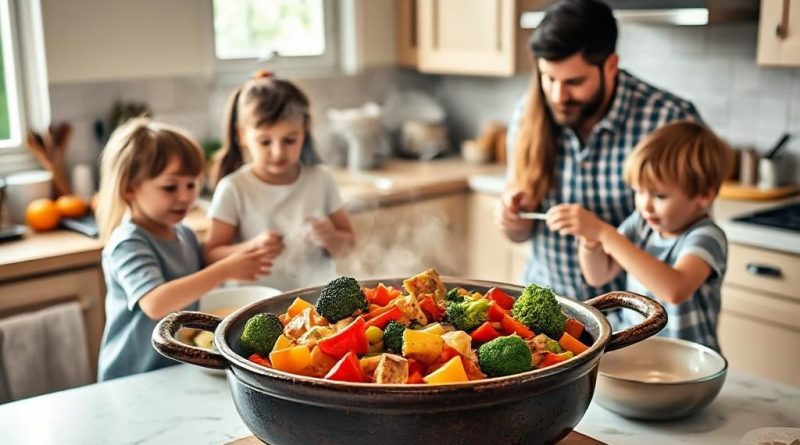
Easy and delicious one-pot meals your family will love.
How to Cook Healthy One-Pot Meals for the Family: Save Time, Dishes, and Stress
Let's face it: between work, school, activities, and everything else, cooking dinner can feel like running a marathon. You want to serve nutritious meals your family will actually eat, but who has time for multiple pots, endless chopping, and hours at the stove? That's where healthy one-pot meals come to the rescue.
I've spent years testing and perfecting one-pot recipes for my own busy household, and I'm here to share everything you need to know to transform your weeknight dinners. In this guide, you'll discover:
- Why one-pot cooking is the secret weapon for busy families
- A simple 5-step framework for creating balanced, delicious meals in a single vessel
- The top 7 family-approved recipes that check all the boxes (nutritious, quick, and actually tasty)
- Essential tools and techniques to avoid common pitfalls
- How to customize meals for picky eaters without extra dishes
Whether you're a kitchen novice or a seasoned home cook, these strategies will help you get dinner on the table faster while keeping your family nourished. Let's dive in!
What Makes One-Pot Meals Actually Healthy (And Why Your Family Will Love Them)
Before we get to the recipes, let's clear up a common misconception: not all one-pot meals are created equal. Many "easy" versions rely heavily on processed ingredients, excess sodium, or lack proper nutrition balance.
True healthy one-pot meals deliver:
- Complete nutrition in every bite – protein, complex carbs, healthy fats, and plenty of vegetables all working together
- Minimal processed ingredients – whole foods that you recognize, not unpronounceable additives
- Balanced portions – no need to serve separate sides when everything's already incorporated
- Flavor without compromise – herbs, spices, and smart cooking techniques replace excess salt and sugar
The magic of one-pot cooking isn't just about fewer dishes (though that's a huge perk!). When ingredients cook together, their flavors meld beautifully. Think about how a good stew tastes better the next day – that's the power of ingredients simmering together.
According to registered dietitian Sarah Schlichter, "One-pot meals naturally encourage vegetable incorporation. When you're adding veggies directly to the pot with proteins and grains, they become part of the main event rather than an afterthought side dish."
The 5-Step Framework for Perfect Healthy One-Pot Meals Every Time
Forget complicated recipes with endless steps. Follow this simple framework to create balanced, delicious one-pot meals – even on your busiest nights.
Step 1: Choose Your Base (The Foundation of Flavor)
Your base sets the stage for the entire dish. For healthy one-pot meals, focus on nutrient-dense options:
- Whole grains: Brown rice, quinoa, farro, or barley (add 1 cup grain to 2 cups liquid)
- Vegetable noodles: Zucchini, sweet potato, or spaghetti squash for lower-carb options
- Legumes: Lentils, chickpeas, or white beans that cook directly in the pot
- Potatoes: Sweet potatoes or Yukon golds that break down slightly to thicken sauces
Pro tip: For grains that need precise water ratios (like quinoa), use the "knuckle method" – add water until it reaches your first knuckle above the grain level. This works surprisingly well!
Step 2: Layer Your Proteins Strategically
Protein is crucial for keeping your family satisfied, but adding it at the wrong time can ruin your meal. Follow this sequence:
- Brown meats first (if using ground beef, turkey, or sausage) – this builds flavor through fond (those delicious browned bits).
- Add pre-cooked proteins later (like rotisserie chicken or canned beans) to prevent overcooking.
- For delicate proteins (shrimp, fish, tofu), add in the last 5-7 minutes.
For maximum nutrition, registered dietitian Maria Lopez recommends: "Choose lean proteins like chicken breast, turkey, or plant-based options, but don't fear healthy fats from salmon or chicken thighs – they add flavor and help absorb fat-soluble vitamins from your vegetables."
Step 3: Bulk Up with Vegetables (Without the Extra Work)
This is where most families struggle – getting enough veggies without extra prep time. The solution? Add vegetables at different stages:
- Hard vegetables first (carrots, potatoes, beets) – they need longer cooking.
- Medium vegetables mid-way (bell peppers, green beans, broccoli).
- Leafy greens last (spinach, kale, arugula) – they wilt in minutes.
Family-friendly hack: For picky eaters, finely chop vegetables like zucchini, carrots, or bell peppers. They'll blend into sauces and grains without being noticeable.
Step 4: Build Flavor Without the Salt
Healthy one-pot meals shouldn't taste bland! Create depth with these techniques:
- Sauté aromatics first (onion, garlic, ginger) in a little olive oil.
- Use acid to brighten (lemon juice, vinegar) at the end.
- Layer spices properly – add dried herbs early, fresh herbs at the end.
- Create natural umami with tomato paste, mushrooms, or a splash of soy sauce.
Chef Michael Solomonov, author of Israeli Soul, notes: "The secret to flavorful one-pot meals is building layers. Don't just dump everything in at once. Take those extra 2 minutes to brown, sauté, and bloom your spices – it makes all the difference."
Step 5: Master the Liquid Ratio
This is where most one-pot recipes fail. Too much liquid = soggy mess. Too little = burnt disaster. Follow these guidelines:
- For grains: 1 part grain to 1.5-2 parts liquid (depending on the grain).
- For soups/stews: Enough liquid to cover ingredients by 1 inch.
- For pasta: Just enough to cover by ½ inch – pasta releases starch as it cooks.
- Always finish uncovered for 5-10 minutes to thicken sauces.
Critical reminder: Check liquid levels halfway through cooking. One-pot meals often need a splash more broth or water as ingredients absorb liquid.
Top 7 Healthy One-Pot Meals Your Family Will Actually Eat
Now for the good stuff! These family-approved one-pot recipes deliver nutrition, flavor, and convenience. Each comes together in 30 minutes or less with minimal active time.
1. One-Pot Lemon Orzo with Chicken and Broccoli
Why it works: Orzo's small size makes it perfect for one-pot cooking – it absorbs flavors beautifully without getting mushy. This Mediterranean-inspired dish packs 35g of protein per serving.
What you'll need:
- 1 lb boneless chicken thighs, cubed
- 1 cup orzo
- 2 cups low-sodium chicken broth
- 1½ cups broccoli florets
- 2 lemons (zest and juice)
- 3 garlic cloves, minced
- ¼ cup feta cheese
- Olive oil, oregano, salt, and pepper
How to make it:
- Brown chicken in olive oil with garlic and oregano.
- Add orzo and toast for 1 minute.
- Pour in broth and lemon zest, bring to simmer.
- Cover and cook for 15 minutes.
- Stir in broccoli, cover and cook for 5 more minutes.
- Finish with lemon juice and feta.
Family twist: For picky eaters, blend the broccoli into the sauce with an immersion blender before serving.
2. Southwest Turkey and Black Bean Skillet
Why it works: This 30-minute one-pot meal delivers 28g protein and 10g fiber per serving. The spices create big flavor without excess sodium.
What you'll need:
- 1 lb lean ground turkey
- 1 can black beans, rinsed
- 1 cup corn (frozen or canned)
- 1 bell pepper, diced
- 1 cup salsa
- 1 cup cooked quinoa (or ½ cup uncooked)
- 1 tsp each cumin, chili powder
- Avocado and cilantro for topping
How to make it:
- Brown turkey with bell pepper.
- Add spices and toast for 1 minute.
- Stir in beans, corn, salsa, and quinoa.
- Simmer covered for 15-20 minutes.
- Top with avocado and cilantro.
Meal prep tip: Double this recipe and freeze half for future busy nights – it reheats beautifully.
3. Creamy Sun-Dried Tomato Chicken Orzo (The Famous "Marry Me" Version)
Why it works: This viral sensation delivers 42g protein per serving with just 10 minutes of prep time. The sun-dried tomatoes create rich flavor without heavy cream.
What you'll need:
- 1½ lbs chicken breast, sliced
- 1 cup orzo
- 1 cup cherry tomatoes, halved
- ½ cup sun-dried tomatoes (oil-packed)
- 2 cups low-sodium chicken broth
- 2 garlic cloves, minced
- 2 tbsp Parmesan
- Fresh basil for garnish
How to make it:
- Brown chicken and set aside.
- Sauté garlic and sun-dried tomatoes.
- Add orzo and toast for 1 minute.
- Pour in broth and bring to simmer.
- Return chicken to pot with cherry tomatoes.
- Cover and cook for 15 minutes.
- Stir in Parmesan and fresh basil.
Time-saver: Use pre-sliced chicken breast to cut prep time even further.
4. One-Pot Butter Bean and Spinach Stew
Why it works: This vegetarian one-pot meal delivers 15g protein and 12g fiber per serving. It's Mediterranean-inspired with simple ingredients you probably have on hand.
What you'll need:
- 2 cans butter beans, rinsed
- 1 onion, diced
- 3 garlic cloves, minced
- 1 can diced tomatoes
- 4 cups spinach
- 1 cup vegetable broth
- 1 tsp smoked paprika
- Lemon wedges for serving
How to make it:
- Sauté onion and garlic until soft.
- Add beans, tomatoes, broth, and paprika.
- Simmer for 15 minutes.
- Stir in spinach until wilted.
- Finish with fresh lemon juice.
Budget bonus: This recipe costs under $2 per serving and makes great leftovers.
5. Easy Hamburger Stew
Why it works: This budget-friendly one-pot meal transforms humble ingredients into a hearty, nutritious dinner. Packed with vegetables and lean ground beef, it delivers complete nutrition in every spoonful.
What you'll need:
- 1 lb lean ground beef
- 4 cups low-sodium beef broth
- 2 carrots, sliced
- 2 celery stalks, sliced
- 1 cup frozen corn
- 1 cup frozen peas
- 1 cup diced potatoes
- 1 can diced tomatoes
- 1 tsp Worcestershire sauce
How to make it:
- Brown beef and drain excess fat.
- Add all vegetables, broth, and tomatoes.
- Simmer covered for 25-30 minutes until potatoes are tender.
- Stir in corn and peas during last 5 minutes.
- Finish with Worcestershire sauce.
Kid-approved version: For picky eaters, blend half the stew to create a thicker, smoother texture they'll enjoy.
6. One-Pot Chicken and Rice with Spring Veggies
Why it works: This 30-minute one-pot dinner uses seasonal vegetables for freshness and color. The rice absorbs all the flavorful broth, creating a complete meal.
What you'll need:
- 1½ lbs chicken thighs
- 1 cup brown rice
- 2 cups low-sodium chicken broth
- 1 cup asparagus, chopped
- 1 cup sugar snap peas
- ½ cup peas
- 3 green onions, sliced
- 2 tbsp soy sauce or tamari
How to make it:
- Brown chicken and set aside.
- Sauté rice in the same pot for 2 minutes.
- Add broth and return chicken to pot.
- Cover and simmer for 25 minutes.
- Stir in spring vegetables during last 5 minutes.
- Finish with soy sauce and green onions.
Seasonal swap: Use broccoli and carrots in winter, zucchini and tomatoes in summer.
7. One-Pot Taco Pasta
Why it works: This family-friendly one-pot meal combines two favorites – tacos and pasta – into one delicious dish with 25g protein per serving.
What you'll need:
- 1 lb lean ground turkey
- 2 cups pasta (rotini or penne)
- 1 cup black beans, rinsed
- 1 cup corn
- 2 cups low-sodium tomato sauce
- 2 tbsp taco seasoning
- 1 bell pepper, diced
- 1 cup shredded cheese for topping
How to make it:
- Brown turkey with bell pepper.
- Add pasta, beans, corn, tomato sauce, and taco seasoning.
- Simmer covered for 15-18 minutes until pasta is tender.
- Top with cheese and let melt.
Customization station: Set out toppings like avocado, sour cream, and crushed tortilla chips so everyone can personalize their bowl.
Essential Tools for One-Pot Cooking Success
You don't need fancy equipment to master healthy one-pot meals, but these tools make the process smoother:
- Dutch oven (5-7 quart): The workhorse for one-pot cooking – heavy bottom prevents burning.
- Non-stick skillet (12-inch): Perfect for smaller families or quicker meals.
- Instant Pot: Great for hands-off cooking, but not necessary for most one-pot recipes.
- Wooden spoon: Gentle on cookware and perfect for scraping up fond.
- Lid with vent: Allows controlled evaporation while cooking.
Budget tip: You can start with just one good-quality pot. A 5.5-quart Dutch oven (like Le Creuset or a more affordable alternative) handles 90% of one-pot recipes.
5 Common One-Pot Meal Mistakes (And How to Avoid Them)
Even experienced cooks make these errors with one-pot family meals. Steer clear of these pitfalls:
1. Overcrowding the Pot
The problem: Too many ingredients = steaming instead of browning, leading to bland flavors.
The fix: Brown proteins in batches if needed, and don't add all vegetables at once.
2. Ignoring Starch Release
The problem: Pasta and grains release starch as they cook, thickening your sauce more than expected.
The fix: Start with less liquid than you think you need – you can always add more, but you can't remove it!
3. Adding Delicate Ingredients Too Early
The problem: Overcooked vegetables and rubbery proteins.
The fix: Add quick-cooking ingredients (spinach, shrimp, fresh herbs) in the last 5 minutes.
4. Skipping the Resting Time
The problem: Runny sauces and uneven flavor distribution.
The fix: Let your one-pot meal rest covered for 5-10 minutes before serving – this allows flavors to meld and starches to absorb excess liquid.
5. Forgetting the Acid Finish
The problem: Flat, one-dimensional flavor.
The fix: Always finish with a splash of acid – lemon juice, vinegar, or even a dash of hot sauce – to brighten the entire dish.
FAQs About Healthy One-Pot Family Meals
How can I make one-pot meals healthier without my family noticing?
Focus on "stealth nutrition": finely chop vegetables like zucchini, carrots, or spinach and incorporate them into sauces and grains. Use whole-grain pasta or brown rice instead of refined versions. Replace half the meat with beans or lentils in recipes like chili or taco pasta.
Can I meal prep one-pot meals?
Absolutely! Most healthy one-pot meals taste even better the next day as flavors continue to meld. Cook double batches and store in airtight containers for 3-4 days, or freeze individual portions for up to 3 months. Reheat with a splash of broth to refresh the texture.
What's the best way to adjust one-pot recipes for different family sizes?
The beauty of one-pot cooking is its scalability. For larger families, simply increase ingredients proportionally but keep cooking times similar (you may need to add 5-10 minutes for larger volumes). For smaller households, halve recipes but use the same pot size – this prevents burning with less liquid.
How do I prevent my one-pot meals from sticking or burning?
Use medium heat (not high!), stir occasionally, and ensure enough liquid is in the pot. If you notice sticking, immediately add a splash of broth or water and scrape the bottom. A good-quality pot with an even bottom (like cast iron or enameled Dutch oven) prevents hot spots.
Can I make one-pot meals without meat?
Definitely! Beans, lentils, chickpeas, and tofu make excellent protein sources for vegetarian one-pot meals. Try the One-Pot Butter Bean and Spinach Stew or Easy Skillet Mexican Quinoa from our recipe list – both pack serious protein without meat.
How to Customize One-Pot Meals for Picky Eaters
One of the biggest challenges families face is getting everyone to eat nutritious meals. If you have a picky eater at home, don't despair! There are simple ways to adapt one-pot meals to meet diverse taste preferences without complicating your cooking routine.
1. Build a Flavorful Base
Start with a base that is universally appealing. Whole grains and pasta are often kid-friendly. Consider options that can absorb flavors, like:
- Cheesy Risotto: Use orzo or Arborio rice cooked in broth and finished with cheese for a creamy, comforting dish.
- Savory Quinoa: Mix cooked quinoa with mild spices like garlic powder and cheese to create a flavor-packed base that kids might enjoy.
2. Use Familiar Ingredients
Incorporate vegetables that are typically well-accepted by children. Some family favorites include:
- Carrots: Sweet and crunchy, they are perfect for stews and stir-fries.
- Peas: Their sweet flavor and bright color make them a great addition to many dishes.
- Bell Peppers: These can be chopped finely and added to sauces where they blend seamlessly.
3. Sneak in Vegetables
A clever way to make sure your kids are getting their veggies is to hide them in the mix:
- Puree and Stir: Blend cooked veggies like cauliflower or spinach into the broth or sauce. They add nutrients without altering the taste significantly.
- Finely Grate: Ingredients such as zucchini or carrots can be grated into your dishes, making them less noticeable.
4. Allow for Personalization
Set up a toppings or mix-in station so everyone can customize their meal. This way, kids can add what they like:
- Cheeses: Provide a few different cheese options for sprinkling (cheddar, mozzarella, or feta).
- Herbs and Spices: Lay out fresh herbs like parsley or basil, plus a variety of spices, so family members can adjust flavors to their liking.
- Condiments: Offer sauces like ranch dressing, salsa, or ketchup as an option to help add familiar flavors.
Essential Tools and Techniques for One-Pot Cooking Success
Investing in the right tools can significantly enhance your one-pot cooking experience. Below are a few essential items and techniques that help simplify the process.
1. Quality Cookware
A heavy-bottomed pot, like a Dutch oven or a large non-stick skillet, ensures even heat distribution and prevents burning. Here’s what to look for:
- Durability: A solid, well-constructed pot will last through countless meals.
- Size: A pot that can hold at least 5 quarts is ideal for family-sized recipes.
2. Food Processor
A food processor can save you time by chopping vegetables quickly, making it perfect for busy weeknights. Look for one with a variety of attachments to streamline meal prep.
3. Slow Cooker or Instant Pot
While traditional one-pot meals can be made on the stovetop, having a slow cooker or Instant Pot provides versatile cooking options. Both can be particularly handy for hands-off meal prep. Consider using an:
- Instant Pot: Its pressure-cooking feature can drastically cut down on cooking time, especially for grains and legumes.
- Slow Cooker: Perfect for simmering flavors all day, ensuring easy weeknight meals.
Storing and Reheating Your One-Pot Meals
Proper storage can prolong the life of your one-pot meals and make future dinners effortless. Follow these guidelines:
1. Storing Leftovers
- Cool Before Storing: Allow your meal to cool to room temperature before transferring it to an airtight container. This prevents condensation from forming.
- Portion Control: Store leftovers in single-serving containers for easy reheating. This is especially handy for lunches or quick dinners on busy nights.
2. Reheating Safely
- Microwave: Reheat meals in short increments — about 1-2 minutes, stirring halfway through for even heating.
- Stovetop: Add a splash of water or broth when reheating on the stove to keep the meal from drying out. Covering the pot can help trap steam.
Frequently Asked Questions About Healthy One-Pot Meals
How can I make one-pot meals in advance?
One-pot meals can be prepared a day before. Simply follow the cooking steps, allow the dish to cool, and store it in the fridge. Make sure to cover it to prevent it from drying out. On the day you plan to serve, simply reheat and enjoy!
What type of liquids are best for one-pot meals?
Stick to low-sodium broths or stocks, as they add flavor without excessive salt. You can also use water mixed with herbs or spices, or a splash of wine for enhanced flavor profiles. For creamy dishes, consider adding dairy or a plant-based milk towards the end of cooking.
Can I freeze one-pot meals?
Yes, many one-pot meals freeze well, especially stews and soups. Allow the meal to cool completely before transferring it to freezer-safe containers. Label them with the date, and consume them within 2-3 months for the best quality.
What are some quick one-pot meals for unexpected guests?
When time is short, quick cook recipes like a One-Pot Pasta Primavera or Easy Chicken Stir-Fry can be lifesavers. They typically require less than 30 minutes and can feed a crowd with minimal effort.
Can I adapt one-pot recipes to be gluten-free?
Definitely! Substitute regular pasta or grains with gluten-free alternatives, like rice noodles or quinoa. Many recipes are naturally gluten-free, but always double-check labels for packaged ingredients.
Key Takeaways for Your One-Pot Meal Journey
One-pot meals are not only about saving time and dishes; they can be a delightful way to nurture your family's health and togetherness. With the right approaches, tools, and recipes, you can create flavorful, vibrant meals that everyone will love, regardless of dietary preferences or time constraints. Take the initiative to experiment with flavors, tweak recipes to your family's liking, and enjoy the joy of cooking together!
Transitioning to healthier eating can feel overwhelming, but creating delicious one-pot meals can simplify the process. You’ll not only save time in the kitchen but also start building lasting memories through shared meals and culinary discoveries. Why not give it a try today and enjoy the benefits of easy, healthy cooking?