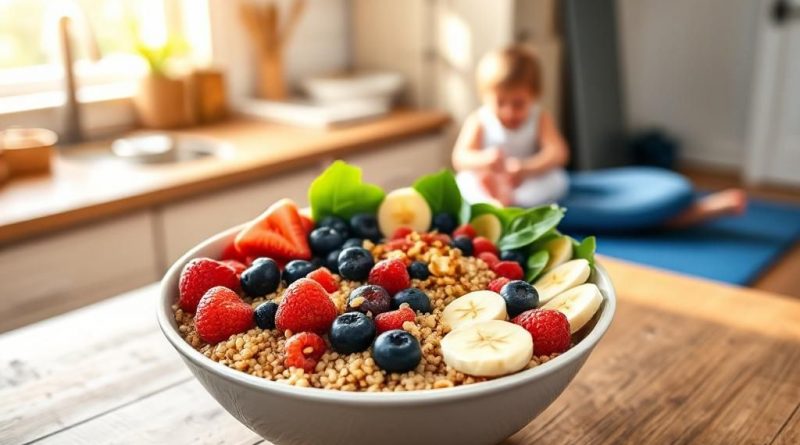
Delicious postpartum superfood bowls for new moms’ energy.
The Ultimate Guide to Postpartum-Friendly Superfood Bowls: Nourish Your Body & Boost Recovery
Navigating the postpartum period can be overwhelming, especially when it comes to prioritizing your own nutrition amid the challenges of new motherhood. With the demands of feedings, diaper changes, and the exhaustion that follows, it’s easy to let healthy eating slip down the priority list. However, postpartum-friendly superfood bowls present a delicious and nutritious solution that addresses your dietary needs during this critical time.
These vibrant bowls are not only easy to prepare but also customizable, allowing you to pack them with the nutrients essential for healing, recovery, and energy replenishment. Let's explore why superfood bowls are perfect as postpartum meals, the essential nutrients your body needs, and how to build your ideal bowl effortlessly.
Why Superfood Bowls Are Perfect for Postpartum Recovery
During the postpartum experience, your body is healing from the physical demands of childbirth and potentially supporting milk production if you're breastfeeding. This unique stage requires specific nutrients to ensure optimal recovery and energy levels. Superfood bowls excel in this regard for several reasons:
- Minimal Effort Required: Superfood bowls can be assembled quickly without complicated cooking steps—perfect for busy new moms.
- Complete Nutrition: They can deliver protein, healthy fats, and complex carbohydrates, all in one dish, catering to your nutritional needs.
- Easy to Eat: They are designed to be eaten with one hand, making them convenient while you manage the demands of caring for your newborn.
- Highly Customizable: You can easily modify these bowls to suit your tastes, dietary restrictions, or what you have on hand.
- Supports Multiple Recovery Goals: These bowls cater not just to recovery needs but also aid in maintaining energy levels and supporting milk supply.
“Postpartum nutrition focuses on strategic nourishment that supports healing and energy,” highlights Dr. Sarah Thompson, a women’s health nutritionist. “Superfood bowls are designed to deliver concentrated nutrients just when your body needs them most.”
Essential Nutrients for Postpartum Recovery (and Where to Find Them)
To effectively nourish your body during this transformative time, it’s important to understand the key nutrients you should incorporate into your postpartum diet. Here’s a breakdown of vital nutrients and their sources:
Iron & Blood Replenishment
After childbirth, you may experience a significant loss of blood, making it imperative to replenish your iron levels. Include these iron-rich foods:
- Lean proteins (chicken, turkey, and salmon)
- Dark leafy greens (kale, spinach, and collard greens)
- Legumes (lentils, chickpeas, and black beans)
- Dried fruits (apricots and raisins)
Protein for Tissue Repair
Your body relies on protein for repairing tissues and supporting milk production. Opt for:
- Greek yogurt or cottage cheese
- Eggs or egg whites
- Salmon or other low-mercury fish
- Tofu or tempeh
- Hard-boiled eggs
Healthy Fats for Hormone Balance
To help stabilize the hormonal fluctuations common in the postpartum phase, healthy fats are essential. Sources include:
- Avocado (often termed a lactation superfood)
- Olive oil or avocado oil
- Nuts and seeds (almonds, walnuts, chia seeds, or flaxseeds)
- Coconut products (coconut milk and oil)
Fiber for Digestive Support
Many new moms experience postpartum constipation due to hormonal changes or medications. Incorporate fiber to aid digestion:
- Whole grains (quinoa, oats, brown rice)
- Fruits (berries, apples, and pears)
- Vegetables (broccoli and sweet potatoes)
- Legumes (lentils and black beans)
Vitamins & Minerals for Overall Health
Specific vitamins and minerals play significant roles in postpartum health:
- Vitamin C: Crucial for tissue repair and immunity. Aim for 80mg daily through sources like mango, citrus fruits, and bell peppers.
- Magnesium: Important for muscle function and reducing cramps. Sources include spinach, pumpkin seeds, and nuts.
- Zinc: Vital for wound healing, found in oysters, beef, and pumpkin seeds.
- Omega-3 Fatty Acids: Support mood and reduce inflammation, available in salmon, chia seeds, and walnuts.
Building Your Perfect Postpartum Superfood Bowl: A Step-by-Step Guide
Creating a nutrient-dense superfood bowl can be a straightforward process once you understand the basic components. Here’s a simple framework to guide you:
Step 1: Choose Your Base (25% of Bowl)
Begin with a foundation of complex carbohydrates and fiber:
– Cooked quinoa or brown rice
– Massaged kale or spinach
– Roasted sweet potato cubes
– Cauliflower rice (for a lower-carb alternative)
Tip: Batch-cook grains and veggies at the start of the week for easy access.
Step 2: Add Protein Power (25% of Bowl)
Aim to include 20-30g of high-quality protein:
– Grilled chicken or turkey
– Baked salmon or sardines
– Chickpeas or lentils
– Tofu or tempeh
For smoothies: incorporate Greek yogurt, cottage cheese, or protein powder.
Step 3: Load Up on Veggies (25% of Bowl)
Increase your vitamin, mineral, and fiber intake with a variety of colorful vegetables:
– Steamed broccoli or asparagus
– Roasted bell peppers and zucchini
– Fresh tomatoes and cucumbers
– Sautéed mushrooms and spinach
Color Tip: Incorporating at least three colors into your bowl maximizes nutrient diversity.
Step 4: Include Healthy Fats (15% of Bowl)
Healthy fats are key for hormone balance and satiety:
– 1/4 avocado, sliced
– 1 tbsp olive oil or avocado oil
– 1 tbsp nuts or seeds (almonds, walnuts, or pumpkin seeds)
Consider adding 1 tbsp of brewer's yeast for a lactation boost.
Step 5: Supercharge with Healing Boosters (10% of Bowl)
Add specific ingredients to target postpartum needs:
– **For inflammation**: Turmeric and ginger
– **For energy**: Maca powder
– **For mood support**: Ashwagandha or lemon balm
– **For digestion**: Probiotic-rich foods like sauerkraut
Pro Tip: A scoop of postnatal protein powder can be added to smoothie bowls for comprehensive nutrition.
Step 6: Dress It Right
Finish with a dressing that adds flavor and nutrients:
– Lemon-tahini dressing (made simply with lemon juice, tahini, garlic, and water)
– Apple cider vinegar with olive oil and herbs
– Greek yogurt mixed with fresh dill
Try to avoid store-bought dressings that are high in sugar and preservatives.
5 Must-Try Postpartum Superfood Bowl Recipes
Get inspired by these delicious and nutritious postpartum superfood bowl recipes, each thoughtfully crafted to support healing and energy:
Mediterranean Healing Bowl (Perfect for Tissue Repair)
Ingredients:
- 1 cup cooked quinoa
- 1 cup chopped cucumber
- 1 cup cherry tomatoes, halved
- 1/2 cup sliced red onion
- 1/2 cup Kalamata olives
- 1/2 cup crumbled feta cheese
- 1/4 cup hummus
- 1 avocado, sliced
- 2 tbsp extra virgin olive oil
- Lemon wedges for serving
Instructions:
- Place quinoa in your bowl as the base.
- Layer cucumbers, tomatoes, and red onion.
- Add olives and feta cheese.
- Place hummus in the center, arranging avocado around it.
- Drizzle with olive oil and lemon juice.
- Season with salt and pepper.
This bowl combines iron-rich olives and vitamin C-loaded tomatoes for optimal iron absorption.
Golden Turmeric Coconut Bowl (Anti-Inflammatory Powerhouse)
Ingredients:
- 1 cup cooked brown rice or quinoa
- 1 cup roasted sweet potato cubes
- 1/2 cup black beans
- 1/2 cup steamed broccoli
- 1/4 cup shredded coconut (unsweetened)
- 1 tbsp turmeric powder
- 1/2 tsp black pepper
- 1/2 avocado, sliced
- 1 tbsp coconut oil
- Fresh cilantro for garnish
Instructions:
- Mix turmeric and black pepper with coconut oil to make a paste.
- Toss warm rice with the turmeric mixture.
- Layer sweet potatoes, black beans, and broccoli on top.
- Garnish with avocado and shredded coconut.
- Sprinkle with fresh cilantro.
This anti-inflammatory bowl aids recovery from childbirth while supporting hormonal balance.
Lactation-Boosting Salmon Bowl (Milk Supply Support)
Ingredients:
- 1 cup cooked quinoa
- 4 oz baked salmon
- 1/2 cup chickpeas
- 1 cup steamed kale
- 1/2 cup roasted beets
- 1 tbsp flax seeds
- 1 tbsp brewer's yeast
- 2 tbsp lemon-tahini dressing
Instructions:
- Start with quinoa as the base.
- Top with salmon, chickpeas, and kale.
- Add roasted beets.
- Sprinkle with flax seeds and brewer's yeast.
- Drizzle with lemon-tahini dressing.
Chickpeas serve as a galactagogue while salmon provides vital omega-3 fatty acids.
Curry Power Bowl (Energy & Digestion Support)
Ingredients:
- 1 cup cooked brown rice or sweet potatoes
- 1/2 cup chickpeas or lentils
- 1 cup mixed roasted vegetables (carrots, cauliflower, bell peppers)
- 1/2 cup spinach
- 2 tbsp curry sauce
Instructions:
- Start with rice or sweet potatoes as a base.
- Layer roasted vegetables and chickpeas.
- Top with fresh spinach and drizzle with curry sauce.
- Add avocado slices and fresh cilantro.
This warm bowl supports digestion and energy—perfect for sleep-deprived new moms.
Mango-Lychee Smoothie Bowl (Vitamin C Powerhouse)
Ingredients:
- 1/2 cup frozen mango
- 1/2 cup frozen lychees
- 1 cup coconut yogurt
- Optional: 1 scoop postnatal protein powder
- Toppings: fresh mango, granola, coconut chips, pomegranate seeds, hemp seeds
Instructions:
- Blend mango, lychees, and coconut yogurt until creamy.
- Pour into a bowl.
- Add desired toppings.
- Enjoy immediately.
With a vitamin C boost, this bowl is a tasty treat that supports your immune system and healing.
By incorporating these nutrient-dense bowls into your postpartum meal planning, you’re equipping your body with the resources it needs to recover fully and thrive during this transformative time. The simplicity of preparation and the abundance of nutrients in each bowl make them a fitting addition to your fourth-trimester routine.
Meal Prep Tips for Busy New Moms
Smart meal prep can drastically reduce the stress surrounding postpartum nutrition, allowing you to spend more time with your little one and less time in the kitchen. Here are practical tips to streamline your cooking process and create nutritious meals with minimal fuss:
Batch Cooking Basics
Planning ahead can turn meal prep from a daunting task into a manageable and straightforward process. Here’s how to effectively batch cook:
- Choose a Day for Meal Prep: Set aside a few hours at the beginning of your week—perhaps while your baby naps or is occupied—to prepare your food.
- Cook Large Portions of Grains: Prepare 2-3 cups of grains like quinoa, rice, or oats to use as a base for your bowls throughout the week. These can be stored in the fridge and added to your meals as needed.
- Roast Vegetables in Bulk: Chop and roast several trays of vegetables, such as sweet potatoes, broccoli, and bell peppers. Store them in airtight containers for easy access throughout the week.
- Prepare Protein Sources: Consider roasting a whole chicken, baking several fillets of fish, or cooking a large batch of lentils or beans to use as toppings for your bowls.
Assembly Line Approach
When you have all your ingredients prepped, assembling meals becomes a breeze:
- Keep Pre-Portioned Ingredients Ready: Store your components in clear containers for quick access. Label them if necessary.
- Create "Bowl Kits": Assemble the base and toppings in separate containers but mix them when you’re ready to eat. This keeps everything fresh and vibrant.
- Have Quick Dressings Ready: Prepare a few dressings to keep your bowls exciting. Keep them in small jars in the fridge for easy drizzling.
Freezer-Friendly Options
Freezing meals or meal components allows for even greater flexibility:
- Portion Smoothie Ingredients: Pack smoothie ingredients into freezer bags. When you're ready for a smoothie, just add liquid and blend for a quick meal.
- Cook and Freeze Grain Portions: Store cooked grains in freezer-safe bags. Label and date them so you know what you have stored.
- Prepare Freezer-Ready Meals: Cook soups or stews in large batches and freeze them. Simply heat them up when you have a hungry moment.
Partner Involvement
Getting your partner involved can make meal prep less overwhelming:
- Team Up for Assembly: While you prep, your partner can help assemble bowls or clean up the kitchen.
- Keep Ingredients Accessible: Set up a designated area with easy-to-reach ingredients and tools for assembling your meals.
- Create a "Mom Menu": Have a simple list of favorite bowls to make it easy to choose meals quickly and avoid decision fatigue.
Common Postpartum Nutrition Mistakes to Avoid
Navigating postpartum nutrition can be tricky, and even well-meaning moms can fall into pitfalls. Here are some common mistakes to watch out for:
Skipping Meals for “Me Time”
While moments alone may seem precious, skipping meals can lead to depleted energy levels and hinder recovery. Instead, prioritize nutrient-rich snacks or mini-meals you can grab quickly. Keeping energy balls or veggie sticks with hummus on hand can help you when you're feeling overwhelmed.
Underestimating Hydration Needs
Breastfeeding mothers have higher fluid needs—approximately 16 cups of fluids daily. To stay hydrated:
- Keep a large water bottle visible at all times.
- Infuse water with fruit for extra flavor and interest.
- Include herbal teas or electrolyte drinks if you're feeling particularly drained.
Overlooking Key Nutrients
While calorie intake is important, focusing on key nutrients is essential for recovery. Ensure your bowls include a variety of foods that supply vital nutrients like iron and omega-3s, using the building framework mentioned earlier.
Relying on Processed “Healthy” Foods
Even though some products boast "healthy" labels, they might still be high in sugar and artificial ingredients. Whenever possible, opt for whole food ingredients that you can prepare yourself, ensuring optimal nutrition without unnecessary additives.
Ignoring Gut Health
Your gut flora affects your mood, energy, and immunity. To support gut health:
- Incorporate probiotic-rich foods, such as yogurt or kefir, into your bowls.
- Add prebiotic-rich fibers like garlic, onions, and asparagus to nourish beneficial gut bacteria.
FAQs About Postpartum Nutrition and Superfood Bowls
As you embark on your postpartum nutrition journey, you may have some questions. Here are some common queries new moms have regarding superfood bowls:
When should I start eating these postpartum superfood bowls?
Starting as soon as possible is beneficial! Begin with easily digestible options like smoothie bowls or blended soups, then gradually incorporate more complex meals once your digestion stabilizes.
Can I make these bowls if I’m not breastfeeding?
Absolutely! These bowls are designed to support your overall recovery, including tissue healing and energy restoration, regardless of how you choose to feed your baby.
How many calories do I need in my postpartum bowls?
While individual caloric needs can vary, most postpartum women generally require 1,800-2,200 calories daily, particularly if breastfeeding. A well-constructed bowl typically contains 400-600 calories with optimal nutrient density to support recovery.
Are there ingredients I should avoid postpartum?
It's wise to limit processed foods, excessive caffeine, and alcohol. Some mothers find dairy or gluten temporarily problematic as their digestive system readjusts, so listen to your body’s responses and adjust accordingly.
Can I meal prep these bowls for the entire week?
While individual components can last 3-4 days in the refrigerator, for maximum freshness and nutritional quality, aim to assemble your bowls within 24 hours of consumption. Freezing components can extend their shelf life for longer-term meal prep.
Incorporating Superfood Bowls Into Your Routine
By integrating these postpartum-friendly superfood bowls into your daily meals, you are not just nourishing your body but also setting the foundation for a smooth recovery. Each nutrient-dense bowl features ingredients that provide essential support for healing, breastfeeding, and energy replenishment. As a new mother, committing to a vibrant and healthful diet can be a powerful step toward reclaiming your strength and vitality.
Remember, perfect nutrition is not the goal, but rather consistent, wholesome foods that fuel your body and wellness. Start with one recipe that excites you, prep some ingredients when you can, and enjoy the process of taking care of yourself as you embrace the joys of motherhood. Your body deserves the nourishment that comes from well-crafted meals, and you have the power to create favorites that your future self will appreciate.