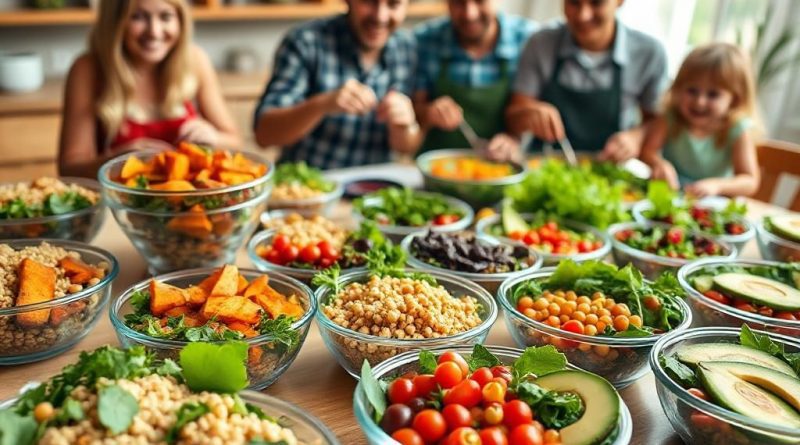
Create colorful meal prep bowls for balanced eating bliss.
The Ultimate Guide to Creating Colorful and Balanced Meal Prep Bowls
Tired of boring lunches and last-minute dinner scrambles? You're not alone. Meal prep bowls have exploded in popularity for good reason—they're the secret weapon for eating healthy without spending hours in the kitchen. These vibrant, nutrient-packed creations deliver balanced nutrition in a single container, making them perfect for busy professionals, fitness enthusiasts, and anyone who wants to eat well without the daily stress of meal decisions.
In this guide, you'll discover exactly how to build meal prep bowls that are as delicious as they are nutritious. I'll walk you through the science-backed formula for perfect balance, share my favorite time-saving strategies, and give you seven foolproof recipes to kickstart your journey. Whether you're trying to lose weight, build muscle, or simply eat more mindfully, these colorful creations will transform your relationship with food.
What Makes a Meal Prep Bowl "Balanced"?
Before we dive into the how-to, let's clarify what "balanced" really means. According to Harvard's Healthy Eating Plate (a more detailed alternative to USDA's MyPlate), a balanced meal consists of:
- 50% vegetables and fruits (aim for color variety—skip potatoes as they impact blood sugar differently)
- 25% whole grains (quinoa, brown rice, farro, barley)
- 25% protein (chicken, fish, beans, tofu, eggs)
- Healthy fats in moderation (avocado, olive oil, nuts, seeds)
This ratio isn't arbitrary—it's designed to keep blood sugar stable, provide sustained energy, and deliver maximum nutrition. Registered dietitians at Berry Street confirm that this balance "naturally combines macronutrients in a way that works for your body," helping clients feel satisfied while reducing cravings.
The magic of meal prep bowls is that they make this balance effortless. Instead of complicated recipes, you're simply assembling components that fit these categories. No calorie counting required—just fill your container following this visual guide.
Your Step-by-Step Guide to Creating Perfect Meal Prep Bowls
Step 1: Plan Your Weekly Menu (Without the Overwhelm)
Start with a 15-minute planning session every Sunday:
- Check your schedule: How many lunches/dinners need prepping? (Aim for 3-5 days to avoid food waste)
- Pick a grain base: Choose 1-2 whole grains (quinoa, brown rice, farro) that cook well together
- Select proteins: Mix plant-based (chickpeas, lentils) and animal proteins (chicken, salmon) for variety
- Choose veggies: Include both roasted (sweet potatoes, Brussels sprouts) and fresh (cucumber, tomatoes)
- Plan dressings: Make 1-2 versatile sauces that work across multiple bowls
Pro tip: Healthline's meal prep experts recommend creating a "modular system" where components can mix and match. Roast a big batch of sweet potatoes that works in both Mediterranean bowls and Asian-inspired creations.
Step 2: Build Your Balanced Bowl Formula
Follow this simple assembly line method:
- Base layer: ½ cup cooked whole grains (¼ of your bowl)
- Protein power: 3-4 oz cooked protein (¼ of your bowl)
- Veggie explosion: 1-1.5 cups mixed vegetables (½ of your bowl)
- Flavor boosters: 1-2 tbsp healthy fats + 2 tbsp dressing
For weight management, Clean Eatz Kitchen recommends keeping meals between 400-600 calories with this balance. Athletes aiming for muscle gain should prioritize 30-40g protein per meal.
Step 3: Master the Meal Prep Process
Save time with these pro techniques:
- Batch cook smart: Roast all veggies on one sheet pan (cut similar sizes for even cooking)
- Grain hack: Cook quinoa in broth instead of water for instant flavor upgrade (Mediterranean Farro Bowl secret!)
- Protein prep: Cook proteins plain, then divide and marinate portions differently
- Dressing strategy: Make 2-3 sauces that cover flavor profiles (creamy tahini, citrus vinaigrette, peanut sauce)
Oh She Glows' 25-minute power bowl method proves you don't need hours: "With my method you'll have power bowls all week with only 25 minutes prep," says the blogger who perfected this system.
Step 4: Store and Reheat Like a Pro
Avoid soggy disasters with these storage secrets:
- Keep components separate: Store dressings in small containers (reusable sauce cups work perfectly)
- Layer strategically: Place grains at bottom, proteins in middle, delicate greens on top
- Reheat properly: Microwave grains/proteins first, then add cold toppings
- Freshen up: Add avocado, microgreens, or herbs right before eating
Most meal prep bowls stay fresh 4-5 days in airtight containers. The CDC confirms proper storage prevents food waste while keeping meals safe to eat.
7 Colorful Meal Prep Bowl Recipes to Try This Week
1. Mediterranean Power Bowl
Base: Quinoa cooked in vegetable broth
Protein: Chickpeas roasted with cumin
Veggies: Roasted red peppers, cucumber, cherry tomatoes
Topper: Kalamata olives, feta, lemon-tahini dressing
Why it works: Combines Harvard's recommended ratios with anti-inflammatory Mediterranean flavors
2. Thai Coconut Quinoa Bowl
Base: Quinoa simmered in light coconut milk
Protein: Grilled chicken or tofu
Veggies: Shredded carrots, red cabbage, snap peas
Topper: Mango chunks, cilantro, peanut-lime dressing
Pro tip: The coconut milk adds healthy fats that help absorb nutrients from veggies
3. Breakfast Power Bowl
Base: Greek yogurt or chia pudding
Protein: Hemp seeds or nut butter
Veggies: Spinach blended into base
Topper: Berries, sliced banana, pumpkin seeds
Meal prep hack: Keep dry toppings separate until serving to maintain crunch
4. Mexican Black Bean Bowl
Base: Cilantro-lime cauliflower rice
Protein: Black beans and corn
Veggies: Roasted sweet potatoes, pico de gallo
Topper: Avocado, lime wedge, Greek yogurt "sour cream"
Weight loss bonus: High fiber content keeps you full between meals
5. Salmon Buddha Bowl
Base: Brown rice
Protein: Baked salmon with dill
Veggies: Roasted broccoli, shredded purple cabbage
Topper: Quick-pickled red onions, everything bagel seasoning
Nutrition highlight: Provides 31g protein plus omega-3s in one serving
6. Greek Chicken Bowl
Base: Herby orzo
Protein: Lemon-herb chicken
Veggies: Cucumber, tomatoes, red onion
Topper: Tzatziki, kalamata olives, fresh dill
Flavor secret: The tzatziki adds probiotics while keeping calories in check
7. Roasted Veggie Power Bowl
Base: Farro
Protein: White beans
Veggies: Sweet potatoes, Brussels sprouts, red onion
Topper: Toasted pepitas, turmeric-tahini dressing
Meal prep superstar: Flavors actually improve after 24 hours
Essential Tools for Meal Prep Bowl Success
You don't need fancy equipment, but these make the process smoother:
- Containers: 32-ounce square containers (they stack better than round)
- Sauce cups: Reusable mini containers for dressings
- Sheet pans: Two large pans for efficient roasting
- Glass meal prep containers: Microwave-safe and eco-friendly
- Portion scoops: For consistent grain/protein measurements
Invest in quality containers—leaky containers ruin the best-prepped meals. Glass containers with separate sauce compartments (like those from BPA-free brands) are worth the splurge for frequent preppers.
Common Meal Prep Bowl Mistakes (and How to Avoid Them)
Mistake #1: Soggy Ingredients
Why it happens: Moist veggies (like tomatoes) sitting on greens all week
Fix: Store wet ingredients separately or place them on top of grains
Mistake #2: Bland Flavors
Why it happens: Forgetting that flavors mellow in the fridge
Fix: Double seasonings and add fresh herbs before serving
Mistake #3: Imbalanced Nutrition
Why it happens: Overloading on one component (usually grains)
Fix: Use the Harvard Healthy Eating Plate as your visual guide
Mistake #4: Poor Storage
Why it happens: Using containers that don't seal properly
Fix: Invest in quality containers and cool food completely before sealing
Mistake #5: Recipe Burnout
Why it happens: Making identical bowls all week
Fix: Prep components, not complete bowls—mix and match daily
Frequently Asked Questions About Meal Prep Bowls
How long do meal prep bowls last in the fridge?
Most stay fresh 4-5 days when stored properly. Cooked grains last longest (5-7 days), while fresh greens and proteins should be consumed within 4 days. Always check for off smells or textures before eating.
Can meal prep bowls help with weight loss?
Absolutely! Healthline's research shows meal preppers consume fewer calories and make healthier choices. The key is balancing protein, fiber, and healthy fats to stay full. A 2022 study found people who meal prep eat 6 fewer fast food meals monthly.
What's the best grain for meal prep bowls?
Quinoa wins for versatility—it's a complete protein and reheats well. Brown rice and farro are close seconds. For low-carb options, try cauliflower rice (but note it doesn't store as well).
How do I keep meal prep bowls interesting?
Create "theme weeks" (Mediterranean, Asian, Mexican) or use the "component method" where you prep separate elements and assemble differently each day. Add fresh herbs or a squeeze of citrus right before eating for instant flavor refresh.
Are meal prep bowls cost-effective?
Yes! The Everygirl calculated that homemade grain bowls cost about $3-5 per serving versus $10-15 for restaurant versions. Plus, you control ingredients to avoid hidden sugars and unhealthy fats.
How to Build a Well-Rounded Meal Prep Plan
To truly harness the power of meal prep bowls, establishing a comprehensive meal prep plan is essential. This strategy simplifies shopping, cooking, and assembling while ensuring that your healthy goals are met consistently. Here’s how to create an effective meal prep plan that aligns with your busy lifestyle.
1. Create a Shopping List
Before you hit the grocery store, develop a structured shopping list based on the planned bowls:
- Produce: Plan for necessary vegetables and fruits. Aim for variety—incorporate leafy greens, root vegetables, and seasonal fruits.
- Grains: Look for whole grains, and consider buying in bulk for cost savings.
- Proteins: Include a mix of animal and plant-based proteins. Canned beans, frozen chicken, and tofu are budget-friendly options.
- Healthy Fats: Invest in high-quality oils, nuts, and seeds.
- Dressings and Spices: Consider preparing homemade dressings to control ingredients and flavors.
Printing your shopping list or using a meal planning app can significantly streamline the process, making grocery shopping more efficient.
2. Prepare a Cooking Schedule
Allocate specific times for cooking in your schedule. Here are some tips:
- Batch Cooking: Dedicate a couple of hours (perhaps Sunday afternoon) to cook your grains, proteins, and veggies. Use methods like roasting, grilling, or sautéing to maximize efficiency.
- Cook Once, Eat Twice: Plan for extras. Cook double portions of proteins like chicken or beans to use in multiple bowls.
- Freezing Options: Consider freezing certain components. Cooked grains and proteins can be frozen in portioned containers for quick access later.
Having a set cooking time keeps you committed to your meal prep routine and can also become a fun family activity.
3. Organizing Your Space
A well-organized kitchen can greatly enhance your meal prep efficiency:
- Designate a Meal Prep Zone: Make sure your workspace has all necessary tools within reach—including knives, cutting boards, and storage containers.
- Label Containers: Use labels for containers to indicate contents and prep dates, ensuring you do not confuse meals or components.
- Proper Storage: Use clear containers to easily see your meals, and stack them for a tidy refrigerator.
An organized kitchen reduces stress and helps speed up the assembly process, making it easier to stick with your meal prepping.
Tips for Staying Motivated
Maintaining consistency with your meal prep can become a struggle. Here are some strategies to keep you motivated:
- Mix It Up: Try new recipes and flavors weekly. Create themed weeks (like Italian or Asian) to keep things fresh.
- Involve Others: Share your meal prep journey with friends or family, turning it into a fun group activity.
- Document Progress: Take photos of your meal prep and bowls. Tracking your journey can be motivating and encourage a sense of accomplishment.
Motivation can wane if meal prep becomes monotonous, so find ways to rejuvenate your experience.
7 More Creative Meal Prep Bowl Ideas
If you're looking for more inspiration, here’s a selection of unique meal prep bowl ideas that can bring variety to your weekly meals:
-
Curry Chickpea Bowl
Base: Brown rice
Protein: Spiced chickpeas
Veggies: Steamed green beans, roasted carrots
Topper: Coconut yogurt, cilantro
Why it works: A delightful mix of spices and creamy yogurt elevates this bowl while delivering plant-based protein. -
Sushi Bowl
Base: Sushi rice (or cauliflower rice for a low-carb option)
Protein: Raw salmon or tofu
Veggies: Avocado, cucumber, seaweed salad
Topper: Soy sauce, sesame seeds
Bonus: This bowl satisfies sushi cravings without the hassle of making rolls! -
BBQ Chicken and Corn Bowl
Base: Quinoa
Protein: Grilled BBQ chicken
Veggies: Corn, bell peppers, avocado
Topper: Black bean salsa, lime dressing
Tip: This southwestern-inspired bowl is great for a flavor-packed, hearty meal. -
Mediterranean Lentil Bowl
Base: Lentils cooked in vegetable broth
Protein: Feta cheese
Veggies: Cucumber, diced tomatoes, red onion
Topper: Olive oil and lemon dressing
Highlight: A great vegetarian option packed with nutrients and flavor. -
Peach and Spinach Salad Bowl
Base: Spinach
Protein: Grilled chicken or almonds
Veggies: Sliced peaches, red onion
Topper: Goat cheese, balsamic dressing
Why it works: A touch of sweetness from the peaches makes this salad a summer hit. -
Zucchini Noodle Bowl
Base: Zucchini noodles
Protein: Turkey meatballs
Veggies: Shredded carrots, bell peppers
Topper: Marinara sauce
Bonus: A low-carb twist on pasta that’s fresh and fun. -
Indian Inspired Tofu Bowl
Base: Basmati rice
Protein: Tofu marinated in tikka seasoning
Veggies: Sautéed spinach and peas
Topper: Yogurt sauce, cilantro
Highlight: A delicious and aromatic option that packs protein and flavor.
Final Thoughts on Meal Prep Bowls
As you dive deeper into creating these colorful and balanced meal prep bowls, remember that the key lies in variety, balance, and preparation. Stay open to experimenting with different ingredients and flavors, and don’t hesitate to adapt recipes to fit your taste and dietary needs.
Using these strategies, tips, and recipes will not only simplify your weekly cooking routine but also enhance your overall health. The journey to mastering meal prep bowls is one of both creativity and nourishment, ensuring you fuel your body with the right foods while enjoying the process.
Integrate these practices into your life, and you'll soon find that nutritious meals can be both accessible and enjoyable. Meal prepping isn't just about saving time; it’s about taking charge of your health, one bowl at a time.
Explore more meal prep ideas and tips on our blog here.