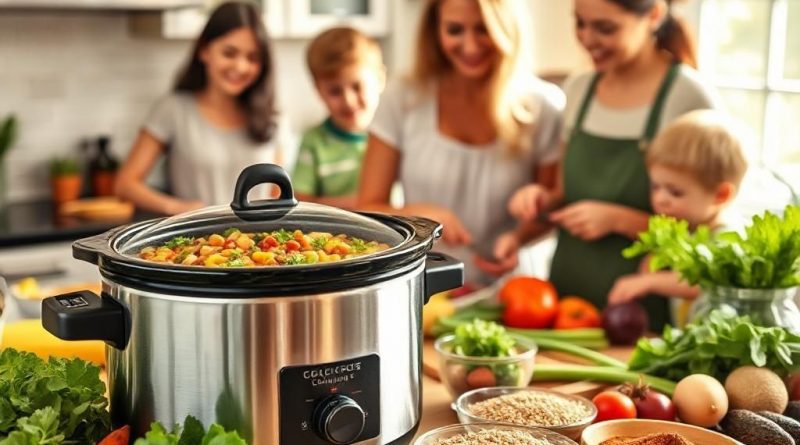
Comforting postpartum slow cooker soup recipes you need.
Nourish & Recover: The Ultimate Guide to Postpartum-Friendly Slow Cooker Soup Recipes
If you're a new mom navigating the beautiful chaos of postpartum life, you've probably realized two things: your body needs serious nourishment to heal, and you have approximately 37 seconds to prepare meals between feedings and diaper changes. That’s where postpartum-friendly slow cooker soup recipes come in—your secret weapon for getting nutrient-dense meals on the table with minimal effort.
In this guide, you'll uncover why slow cooker soups are the perfect postpartum meal solution, the specific nutrients your recovering body craves (and how to get them), and practical meal prep strategies that work with your unpredictable schedule. These recipes deliver the healing power of whole foods without demanding hours in the kitchen. Whether you're breastfeeding or healing from delivery, comfort and nutrition can come together effortlessly.
Why Slow Cooker Soups Are Your Postpartum Superpower
When you're running on newborn sleep schedules, complicated recipes are the last thing you need. Slow cooker soups solve this problem beautifully. According to the USDA's Dietary Guidelines for Americans 2020-2025, nutrient-dense meals are crucial during postpartum recovery, but who has time to cook elaborate dishes?
The magic of slow cooker soups lies in their "dump and go" simplicity. Just chop ingredients (or use pre-cut veggies to save time), toss them in the pot, and let your crockpot work its magic while you care for your baby. Registered dietitian Sarah Chapin explains, "Cooking in big batches is one of the smartest strategies for postpartum nutrition. Soups freeze beautifully and reheat in minutes—perfect for those moments when you need to eat but can't stop caring for your newborn."
Moreover, soups naturally hydrate—a critical factor since many new moms forget to drink enough water while focused on baby care. The warm, comforting nature of soup also supports relaxation during what can be a stressful transition period.
The Nutritional Benefits of Soup for Postpartum Recovery
When considering postpartum nutrition, it's essential to focus on foods that not only provide nourishment but are also easy to prepare and digest. Slow cooker soups can be designed to pack a nutritional punch. They can incorporate key vitamins, minerals, protein, and fiber—all vital for recovery and breastfeeding.
Pumping up the Nutrients
Here are some critical postpartum nutrients and how they can be easily included in your soups:
- Iron: Essential for replenishing blood volume lost during delivery, iron helps in combatting postpartum fatigue. Ingredients like lentils, beans, and dark leafy greens elevate the iron content.
- Protein: Essential for healing and maintaining your energy levels, adequate protein is vital, especially for nursing mothers. Chicken, lentils, and beans can serve as excellent additions.
- Choline: Vital for brain health and milk production, choline is often lacking in traditional diets. You can find it in eggs and certain vegetables like broccoli.
- Fiber: With 52% of postpartum moms experiencing constipation, fiber-rich ingredients like beans, lentils, and various vegetables can help ensure regularity.
- Healthy Fats: Foods rich in omega-3 fatty acids support hormone balance and can facilitate milk production.
By including these nutrients in your slow cooker soups, you're not just preparing a meal; you're creating a delightful, hearty dish that supports the health of both you and your baby.
Essential Postpartum Nutrients and How Soups Deliver Them
Your body has unique nutritional needs after giving birth, whether you're breastfeeding or not. Understanding these requirements helps you create meals that actively support healing. According to the CDC, breastfeeding mothers need approximately 330-400 extra calories daily, plus increased amounts of specific nutrients.
The Postpartum Powerhouse Nutrients
-
Iron & B12: Critical for rebuilding blood stores after delivery (especially if you experienced significant blood loss). Iron can be found in lean meats, lentils, and dark leafy greens.
-
Choline: Often overlooked but vital for brain health and milk production. Breastfeeding women need 550mg daily (per CDC recommendations). Eggs, chicken, and cruciferous vegetables are excellent sources.
-
Iodine: Essential for brain development in babies if breastfeeding. The CDC recommends 290mcg daily for nursing moms. Seafood, dairy, and iodized salt provide this nutrient.
-
Fiber: With many new moms experiencing constipation, fiber-rich foods such as beans, lentils, and vegetables become necessary for smooth digestion.
-
Protein: Needed for tissue repair and milk production. Aim for around 20-30g per meal. Chicken, beans, lentils, and Greek yogurt are excellent sources.
-
Healthy Fats: These are crucial for hormone balance and milk production. Olive oil, avocado, nuts, and fatty fish provide these essential fats.
The beauty of slow cooker soups? They effortlessly combine these nutrients in one bowl, supporting genuine healing without complicated rules that can often complicate meal planning for new moms.
Top 5 Postpartum-Friendly Slow Cooker Soup Recipes
These recipes were specifically designed with postpartum nutritional needs in mind, delivering targeted nutrients while requiring minimal active cooking time.
Detox Lentil Power Soup (Iron & Fiber Boost)
This isn't some restrictive cleanse; it's a nutrient-dense powerhouse that supports genuine healing. Lentils provide iron and fiber, while kale adds vitamins A and C.
Ingredients:
- 1 cup dried green or brown lentils (rinsed)
- 1 onion, chopped
- 3 carrots, sliced
- 3 celery stalks, chopped
- 3 garlic cloves, minced
- 1 sweet potato, peeled and cubed
- 6 cups low-sodium vegetable broth
- 2 cups chopped kale
- 2 tbsp olive oil
- 1 tsp cumin
- Salt and pepper to taste
- Juice of ½ lemon
Instructions:
- Place all ingredients except kale, olive oil, and lemon juice in the slow cooker.
- Cook on low for 6-7 hours.
- Stir in kale and olive oil during the last 30 minutes.
- Finish with lemon juice before serving.
Pro Tip: Blend 2 cups of soup until creamy, then return to pot for extra richness that helps with nutrient absorption. This soup freezes beautifully for future meal prep.
Healing Chicken Wild Rice Soup (Choline & Protein Powerhouse)
Wild rice provides more protein than white rice, while chicken delivers choline and complete protein—perfect for breastfeeding moms needing that extra nutritional boost.
Ingredients:
- 1.5 lbs boneless, skinless chicken breasts
- 1 cup uncooked wild rice blend
- 1 onion, chopped
- 3 carrots, sliced
- 3 celery stalks, chopped
- 8 oz mushrooms, sliced
- 6 cups low-sodium chicken broth
- 2 garlic cloves, minced
- 1 tsp dried thyme
- 2 bay leaves
- ¼ cup fresh parsley
- Salt and pepper to taste
Instructions:
- Place all ingredients except parsley in the slow cooker.
- Cook on low for 6-7 hours.
- Remove chicken, shred with forks, and return to the pot.
- Discard bay leaves and stir in fresh parsley.
- Season with additional salt and pepper if needed.
Why it works for postpartum: The wild rice provides sustained energy without blood sugar spikes, while chicken delivers choline, crucial for milk production. This soup provides approximately 30g of protein per serving—exactly what your healing body needs.
Constipation-Relief Vegetable Medley (Fiber Focus)
Designed specifically to combat postpartum constipation, this soup packs fiber from multiple sources without causing bloating.
Ingredients:
- 3 cups diced potatoes
- 2 cups chopped zucchini
- 2 cups green beans, trimmed
- 1 cup frozen corn
- 1 can (14.5 oz) diced tomatoes
- 2 tbsp tomato paste
- 8 cups low-sodium vegetable broth
- 1 tsp paprika
- ½ tsp each dried thyme, basil, oregano
- ¼ cup fresh lemon juice
Instructions:
- Add all ingredients except corn and lemon juice to the slow cooker.
- Cook on low for 6 hours.
- Stir in corn during the last 30 minutes.
- Finish with fresh lemon juice before serving.
Postpartum perk: The lemon juice enhances iron absorption from the vegetables. This soup delivers 12g of fiber per serving, helping keep things moving comfortably.
Choline-Boosting Pumpkin Soup (Breastfeeding Essential)
Pumpkin provides beta-carotene (which converts to vitamin A), while white beans add extra protein and choline—critical for nursing moms.
Ingredients:
- 2 cups pumpkin puree (not pie filling)
- 1 can (15 oz) white beans, rinsed
- 1 onion, chopped
- 2 carrots, sliced
- 4 cups low-sodium vegetable broth
- 1 tsp sage
- ½ tsp cinnamon
- ¼ tsp nutmeg
- 2 tbsp olive oil
- Salt and pepper to taste
Instructions:
- Combine all ingredients in the slow cooker.
- Cook on low for 4-5 hours.
- Use an immersion blender to partially puree soup.
- Adjust seasonings before serving.
Nutrition note: One serving provides approximately 120mg of choline—nearly 25% of the daily requirement for breastfeeding women. Pair with a slice of whole grain bread for an even bigger choline boost.
Iron-Rich Spinach Bean Soup (Postpartum Recovery)
This simple soup delivers iron from multiple sources (beans and spinach) plus vitamin C from tomatoes to enhance absorption—perfect for rebuilding blood stores.
Ingredients:
- 2 cans (15 oz each) mixed beans, rinsed
- 1 onion, chopped
- 3 garlic cloves, minced
- 1 can (14.5 oz) diced tomatoes
- 4 cups low-sodium vegetable broth
- 4 cups fresh spinach
- 1 tsp cumin
- 2 tbsp olive oil
- Salt and pepper to taste
Instructions:
- Place all ingredients except spinach in the slow cooker.
- Cook on low for 5-6 hours.
- Stir in spinach during the last 30 minutes.
- Finish with olive oil and additional seasonings.
Postpartum advantage: The combination of plant-based iron (from beans and spinach) with vitamin C (from tomatoes) creates optimal conditions for iron absorption—critical after blood loss during delivery.
Smart Meal Prep Strategies for Exhausted New Moms
You don't need elaborate meal prep systems to eat well postpartum. Here are practical strategies that work with your reality:
-
The "Double Batch" Method: Always make two portions of each soup. Eat one immediately and freeze the other in individual portions. Registered dietitian Sarah Chapin suggests, "Having single-serving containers ready to go means you can grab one, heat it, and eat while nursing—no extra steps required."
-
Freezer-Friendly Containers: Use wide-mouth pint-sized mason jars (leave 1-inch headspace for expansion) or silicone freezer bags laid flat. Label with contents and date.
-
Prep-Ahead Ingredient Kits: On a "good day," chop all vegetables for 2-3 soups and store in labeled containers in the fridge. When you need a meal, just dump ingredients in the slow cooker with broth.
-
The "5-Minute Toppings" System: Keep these items on hand to boost nutrition and flavor in seconds:
- Fresh lemon or lime wedges (enhances iron absorption)
- Pumpkin seeds (zinc and magnesium)
- Nutritional yeast (B vitamins)
- Olive oil or avocado oil (healthy fats)
- Fresh herbs (extra antioxidants)
-
Slow Cooker Hacks for New Moms: Set it before bed for morning soup (perfect for early feedings) and use the "warm" setting to keep your soup ready between unpredictable feedings.
5 Common Postpartum Nutrition Mistakes (and How to Avoid Them)
Even well-intentioned new moms fall into these pitfalls. Here's how to avoid them:
-
Skipping meals to "lose baby weight"
Your body requires adequate fuel to heal and produce milk. Restrictive eating actually slows metabolism and can decrease milk supply. Fix: Keep soup portions ready to eat to avoid going more than 4 hours without food. -
Relying on processed "postpartum" foods
Many marketed products are high in sugar and low in actual nutrients. Fix: Stick with whole food ingredients in your slow cooker soups, controlling exactly what goes in. -
Forgetting hydration
Breastfeeding moms need approximately 16 cups of fluid daily. Fix: Keep a large water bottle by your nursing station and have a cup of warm soup with each feeding. -
Ignoring constipation triggers
Focusing on fiber can lead to unintentional consumption of constipating foods (like cheese). Fix: Load soups with high-fiber veggies and avoid constipating foods during the first weeks postpartum. -
Not adjusting for individual needs
C-section recovery requires more protein; vegan moms will need different iron sources. Fix: Consult a registered dietitian specializing in postpartum nutrition to personalize your approach.
This structured approach ensures you have both the nourishment and convenience you need during this critical time in your life. By actively planning and preparing, you'll maximize your ability to heal while continuing to care for your newborn.
Postpartum Slow Cooker Soup FAQs
As you embark on your journey to nourish your body with these delicious soups, you may have some lingering questions. Let's address a few of the most common inquiries surrounding postpartum nutrition and slow cooking.
Q: How soon after delivery can I start eating these soups?
A: Most women can begin eating broth-based soups within 24 hours of delivery (check with your provider first). Start with clear broths, then progress to more substantial recipes as your digestive system readjusts.
Q: Can I make these soups vegetarian or vegan?
A: Absolutely! All recipes can be made plant-based by using vegetable broth instead of chicken broth. For protein, increase beans or add tofu. Breastfeeding vegan moms should consider supplementing with B12 and a DHA supplement.
Q: How long do these soups stay fresh in the fridge?
A: Properly stored in airtight containers, they’ll last 5-7 days in the refrigerator. For longer storage, freeze portions for up to 3 months.
Q: What if I’m not hungry but know I should eat?
A: Try eating smaller, more frequent portions. Have a cup of soup with each nursing session rather than three large meals. Your body needs consistent fuel, especially if breastfeeding.
Q: Can I add supplements to my soups?
A: Some protein powders and collagen peptides blend well into warm soups without altering flavor. Always check with your healthcare provider before adding supplements to your diet.
Meal Prep Strategies Revisited
Now that you have an arsenal of soups to help fuel your postpartum recovery, let's enhance your meal prep strategy to ensure you’re never caught off guard. Flexibility is key in the postpartum period, so consider these additional suggestions to make meal prep as painless as possible.
Utilize Your Freezer Wisely
When it comes to postpartum meal prep, making use of your freezer can save you a lot of headaches. Here are a few tools and practices to keep in mind:
- Silicone Freezer Bags: These are excellent for freezing soups since they are lightweight and eliminate the need for bulky containers. Plus, they lay flat, making them easy to stack.
- Portion Control: Consider freezing soups in muffin tins or ice cube trays for small portions. Once frozen, pop out the cubes and transfer them to resealable bags. This allows you to reheat just the amount you need.
- Label Everything: When freezing soups, include the name, date, and reheating instructions (if necessary). It helps simplify your meal choices when time is tight.
Incorporate Healing Herbs and Spices
Your soups can be easily enhanced with herbs and spices that offer additional health benefits, supporting your recovery:
- Turmeric: Known for its anti-inflammatory properties, adding turmeric can help ease discomfort and encourage healing.
- Ginger: Another anti-inflammatory that can also aid digestion, ginger can boost the flavor profile of your soups.
- Garlic: Apart from offering flavor, garlic supports the immune system, something especially important during postpartum recovery.
Postpartum Nutrition Tips for Long-Term Wellness
As you settle into life with your newborn, transitioning from meal prep to a more robust nutritional strategy will benefit your overall well-being in the months ahead. Here are some actionable tips to carry you through:
1. Plan for Balanced Meals
Beyond soups, aim to fill your plate with a variety of foods to meet your nutritional needs. Focus on incorporating:
- Whole grains (quinoa, brown rice)
- Fruits and vegetables of different colors
- Healthy fats (avocados, nuts, seeds)
- Lean proteins (fish, poultry, or plant-based proteins)
2. Stay Mindful of Caffeine and Sugar
While it might be tempting to reach for that extra cup of coffee or sugary snacks, both can impact your energy levels and milk supply. Limit caffeine to one serving a day, and opt for whole fruits over candies for that sweet indulgence.
3. Regularly Hydrate
Eating nutrient-dense foods is essential, but hydration is equally crucial. Keep a water bottle nearby, and try to refill it regularly. Herbal teas (like chamomile or peppermint) can also count towards your fluid intake and can be comforting in the postpartum period.
Adjusting Your Diet as You Heal
As you recover, your body's needs will continue to change. Pay attention to how your body responds to different foods, and be ready to adjust your diet accordingly. You may find that certain foods help maintain your energy levels and mood, while others may not agree with your system. Here are some tips to navigate dietary adjustments:
Listen to Your Body
If you notice certain foods heighten your anxiety or discomfort, consider eliminating them temporarily. Take note of how your body feels postpartum; your feelings about food may change as your body progresses through recovery.
Seek Professional Guidance
Consulting with a registered dietitian specializing in postpartum care can provide you with personalized insights tailored specifically to your needs. They can help you navigate changing nutritional requirements as your recovery progresses.
Creating a Supportive Nutrition Environment
As a new mom, leaning on your support system can be invaluable, especially when it comes to meal prep and nutrition. Here are some ways to engage your friends and family:
Meal Chains and Support Groups
Coordinating with friends or family to set up a meal chain can ensure you’re not solely responsible for cooking. Friends can drop off prepped meals or ingredients when they visit, giving you a boost during those tiring early days.
Encourage Family Involvement
Involve your partner and other family members in meal prep. It can be a bonding experience and help alleviate some of the pressure you might feel to provide everything for the family.
Final Thoughts on Your Postpartum Nutrition Journey
Navigating postpartum life is no small feat, but by prioritizing nutrient-dense meals like slow cooker soups and staying mindful of your nutritional needs, you can support your body’s healing process. Embrace the flexibility that comes with meal prep and lean on your support system for a smoother transition into motherhood.
Remember, nourishing yourself is not just about feeding your body; it's about creating a foundation for your new family. Each nutritious bit helps nurture not only your well-being but also the health of your little one. Embrace this journey, and enjoy each bowl of warmth that offers healing and comfort during this wonderful, chaotic time.