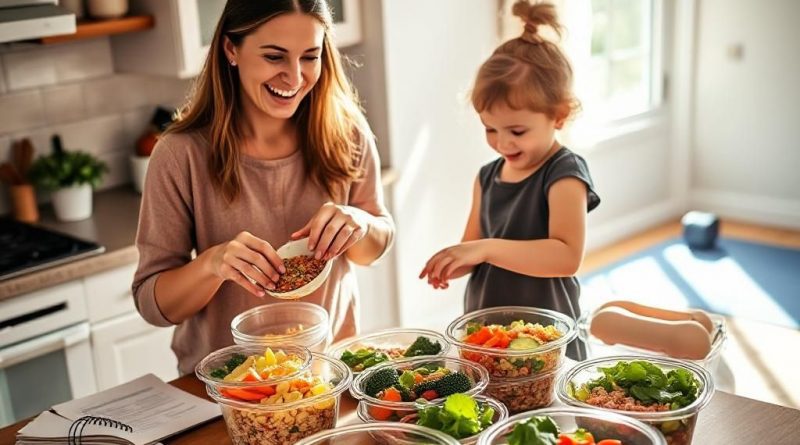
Budget-friendly meal prep tips for new moms to thrive during postpartum.
The Ultimate Guide to Postpartum Meal Prep on a Budget: Nourish Yourself Without Breaking the Bank
Let's be real: the postpartum period is overwhelming enough without worrying about what's for dinner. Between newborn feedings, healing from birth, and adjusting to life with a tiny human, cooking elaborate meals feels impossible. But here's the good news: with smart planning, you can create a freezer full of nourishing, budget-friendly postpartum meals that support your recovery without draining your wallet.
This guide will walk you through exactly how to organize postpartum meal prep on a budget—no fancy equipment needed, just practical strategies that work. You'll learn which nutrient-dense foods truly matter for healing, how to stretch your grocery dollars, and the most efficient ways to stock your freezer with meals that actually taste good after reheating. By the end, you'll have a clear roadmap to nourish yourself properly during those precious early weeks with your newborn.
Why Budget-Friendly Postpartum Nutrition Matters More Than You Think
During postpartum recovery, your body needs specific nutrients to heal, maintain energy, and (if you're breastfeeding) support milk production. But when you're exhausted and on a tight budget, it's easy to default to convenience foods that don't provide what your body truly needs.
According to nutrition experts, prioritizing protein, calcium, fiber, healthy fats, and hydration significantly improves energy levels and recovery time. Traditional Chinese Medicine (TCM) and Ayurvedic practices emphasize warming, easily digestible foods that "build blood" and restore energy—perfect for postpartum when your body is depleted.
Incorporating budget-friendly postpartum nutrition is crucial for several reasons:
-
Healing and Recovery: Your body has gone through significant changes, and it's essential to replenish lost nutrients. Foods rich in protein promote healing, while calcium supports bone health, which is especially important if you're breastfeeding.
-
Energy Sustenance: Caring for a newborn requires abundant energy, and balanced meals help prevent fatigue. Adequate hydration and healthy fats, such as those found in nuts and avocados, can provide lasting energy.
-
Supporting Milk Production: Nutritional quality is vital during breastfeeding, making it essential to consume a variety of nutrient-dense foods.
The challenge? Making these nutrient-dense meals affordable. The average new parent spends $50-$100 weekly on groceries, but with strategic planning, you can cut that nearly in half while still getting optimal nutrition. The key is focusing on whole foods that freeze well and stretch across multiple meals.
Your Step-by-Step Plan for Budget-Friendly Postpartum Meal Prep
Assess Your Needs and Resources First
Before you start cooking, take stock of your situation:
- How much freezer space do you have? If your freezer is small (like most apartment dwellers), focus on portioning meals into single servings rather than family-sized containers.
- Who will be eating these meals? Just you? You and your partner? Factor this into portion planning.
- What's your budget? Determine how much you can realistically spend on postpartum meal prep without causing financial stress.
Most experts recommend preparing 15-20 meals to cover the first two to three weeks postpartum. If you have freezer space, prepping up to 30 meals ensures you're covered through the initial adjustment period.
Smart Grocery Shopping Strategies That Save Money
You don't need specialty ingredients to create healing postpartum meals. Focus on these budget-friendly staples:
Pantry essentials:
- Dried rice, quinoa, and oats
- Canned beans and lentils (look for sales or buy in bulk)
- Nut butters (peanut, almond, or sunflower)
- Canned tomatoes and broth
- Warming spices like ginger, turmeric, and cinnamon
- Dried fruits like dates and apricots
Freezer-friendly proteins:
- Chicken thighs (cheaper than breasts and more flavorful)
- Ground turkey or lean beef
- Eggs (the ultimate budget protein)
- Canned tuna or salmon
Pro tip: Shop sales and stock up on proteins when they're discounted. A whole chicken costs less per pound than pre-cut pieces and provides multiple meals—roast it, use the meat for soups and salads, then make broth from the bones.
Batch Cooking Techniques That Maximize Your Time and Money
The magic of postpartum meal prep on a budget happens when you cook once and eat multiple times. Here's how to do it efficiently:
1. Master the art of "cook once, eat thrice":
- Roast one whole chicken → use in:
- Chicken soup (freeze portions)
- Chicken salad sandwiches
- Chicken and vegetable stir-fry
2. Focus on these budget-friendly meal categories that freeze exceptionally well:
| Category | Budget-Friendly Examples | Why They Work |
|---|---|---|
| Soups & Broths | Chicken bone broth, lentil soup, vegetable-bean soup | Inexpensive ingredients, nutrient-dense, and TCM-approved for healing |
| Grain-Based Meals | Congee (rice porridge), quinoa bowls, oatmeal packets | Uses affordable staples, easily customized, and warming for postpartum |
| Protein Packs | Shredded chicken, cooked lentils, hard-boiled eggs | Versatile building blocks for multiple meals |
| Breakfast Burritos | Egg and cheese, black bean and sweet potato | Freezes perfectly, provides balanced nutrition |
3. Double batches while pregnant: As you approach your due date, double recipes you're already making (like chili or soup) and freeze half immediately. This "slow stock" method prevents last-minute panic.
Organizing Your Freezer Like a Pro
A well-organized freezer prevents waste and makes meal retrieval effortless when you're sleep-deprived. Follow these steps:
-
Label everything clearly: Use masking tape and a marker to note:
- Meal name
- Date prepared
- Reheating instructions (e.g., "Thaw overnight, microwave 2 minutes")
-
Portion strategically:
- Single servings for when it's just you eating
- Family-sized portions for when your partner joins you
- Small snack portions (like lactation bites or smoothie packs)
-
Use the right containers:
- Glass containers (like Pyrex) for soups and stews
- Silicone freezer bags (lay flat to save space)
- Muffin tins for portioning items like meatballs or egg bites
-
Create a freezer map: Take a photo of your organized freezer and keep it on your phone so you remember where everything is stored.
Top 5 Budget-Friendly Postpartum Meals That Actually Taste Good
You don't need fancy recipes—just simple, nourishing meals that freeze well. Here are the most cost-effective options based on real mom experiences:
1. Healing Chicken Bone Broth Soup ($1.50/serving)
Why it works: Bone broth is incredibly healing (rich in collagen for tissue repair) and costs pennies when made from chicken bones. Add inexpensive veggies like carrots, celery, and frozen spinach.
Budget tip: Save vegetable scraps (onion ends, carrot peels) in a freezer bag to make broth later—zero waste, zero extra cost.
2. Congee with Ginger and Scallions ($1.25/serving)
Why it works: This TCM-recommended rice porridge costs almost nothing to make but provides easily digestible carbohydrates and warmth crucial for postpartum recovery.
Budget tip: Use leftover rice or cook a big batch of rice specifically for congee. One cup of dry rice makes 3-4 servings of congee.
3. Black Bean and Sweet Potato Burritos ($1.75/serving)
Why it works: Canned black beans and frozen sweet potato cubes create a fiber-rich, protein-packed meal that freezes beautifully.
Budget tip: Buy sweet potatoes in bulk when in season (fall) and freeze cubed portions. Use store-brand canned beans—they're identical to name brands.
4. Egg and Veggie Muffins ($0.90/serving)
Why it works: Eggs are the most affordable high-quality protein. Whisk with frozen spinach and diced bell peppers for a nutrient-dense breakfast that reheats in 30 seconds.
Budget tip: Buy eggs in bulk (18-count cartons) when on sale—they freeze well for up to 6 months.
5. Lentil and Vegetable Soup ($1.00/serving)
Why it works: Dried lentils cost about $1.50/pound and make 6-8 servings of soup. Add frozen mixed vegetables for minimal effort and maximum nutrition.
Budget tip: Make a huge batch (2-3 pounds of lentils) when you have time—it's nearly impossible to overdo lentil soup for postpartum.
Common Postpartum Meal Prep Mistakes That Blow Your Budget
Avoid these pitfalls that many new parents encounter:
Mistake #1: Overcomplicating recipes
Stick to 5-ingredient meals. That fancy recipe with 15 specialty ingredients? Save it for later. Your postpartum meals should be simple, nourishing, and affordable.
Mistake #2: Ignoring portion sizes
Freezing family-sized portions when you'll only eat one serving leads to waste. Portion meals based on who will eat them and how quickly they'll be consumed.
Mistake #3: Forgetting the pantry
A well-stocked pantry means you can turn basic proteins and grains into complete meals. Keep on hand:
- Canned tomatoes
- Olive oil
- Vinegar
- Basic spices
- Canned beans
Mistake #4: Not using what you have
Before buying new ingredients, check your pantry and freezer. That bag of frozen corn? Perfect for adding to soups and burritos.
This guide sets the groundwork for a streamlined and budget-friendly postpartum meal prep plan. With these strategies in mind, you'll be ready to tackle eating well during your postpartum journey.
Common Postpartum Meal Prep Mistakes That Blow Your Budget
Avoid these pitfalls that many new parents encounter:
Mistake #1: Overcomplicating Recipes
Stick to 5-ingredient meals. That fancy recipe with 15 specialty ingredients? Save it for later. Your postpartum meals should be simple, nourishing, and affordable.
Mistake #2: Ignoring Portion Sizes
Freezing family-sized portions when you’ll only eat one serving leads to waste. Portion meals based on who will eat them and how quickly they’ll be consumed.
Mistake #3: Forgetting the Pantry
A well-stocked pantry means you can turn basic proteins and grains into complete meals. Keep on hand:
- Canned tomatoes
- Olive oil
- Vinegar
- Basic spices
- Canned beans
Mistake #4: Not Using What You Have
Before buying new ingredients, check your pantry and freezer. That bag of frozen corn? Perfect for adding to soups and burritos.
FAQs About Budget-Friendly Postpartum Meal Prep
Q: How many meals should I prep for postpartum?
Aim for 15-20 meals to cover the first two to three weeks after giving birth. This amount ensures that you won’t feel pressured to cook every day and can focus on your self-care and new baby.
Q: What foods freeze the best for postpartum?
Casseroles, soups, stews, burritos, and well-cooked proteins freeze exceptionally well. Plan to prepare these dishes in bulk; they can be easily reheated for a nourishing meal.
Q: How far in advance should I prep postpartum meals?
You can start prepping meals about 4-6 weeks before your due date. This allows you to stock your freezer without the last-minute panic and ensures you have plenty of time to take breaks for self-care as needed.
Q: What are the most important nutrients for postpartum recovery?
Focus on:
- Protein: Essential for healing and tissue repair.
- Calcium: Important for bone strength, particularly if breastfeeding.
- Fiber: Helps restore digestion and maintain energy levels.
- Healthy Fats: Crucial for brain health and hormone regulation.
- Hydration: Vital for overall health and milk production if nursing.
Q: How do I organize my freezer for postpartum meals?
Label all containers clearly with the meal name, date prepared, and any reheating instructions. Arrange meals in a way that allows easy access to what you need, such as grouping soups together, proteins in another section, and breakfast items in another.
Q: What if my partner doesn’t want to eat the same meals?
If you anticipate different tastes, consider prepping a couple of interchangeable meals. Make larger batches of neutral base items like grains or proteins, then customize them with different sauces or sides based on individual preferences.
Conclusion: Start Your Meal Prep Journey Today
You do not need to be a culinary expert to make postpartum meal prep work for you. The combination of smart planning, efficient cooking methods, and a well-organized freezer will empower you to nourish your body effectively. As you move forward, focus on creating a comfortable, enjoyable food experience that supports your recovery and allows you to cherish those early moments with your newborn.
By prioritizing nutritious foods and establishing a streamlined meal prep routine, you are making a powerful investment in your health and well-being as a new parent. Remember, each meal you prepare is a small step towards a smoother, restorative postpartum journey—one that sets the foundation for your energy, mood, and connection with your little one.