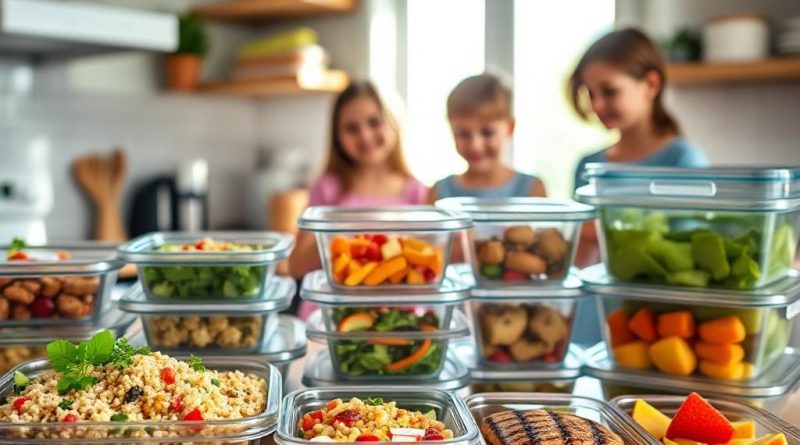
Budget-friendly meal prep containers that save you time and money.
Budget-Friendly Meal Prep Containers: Your Complete Guide to Smart Storage on a Dime
Let's face it—meal prepping is one of the smartest habits you can adopt for saving time, money, and reducing food waste. But if you've ever tried it without the right containers, you know the frustration: leaky sauces, mismatched lids, and that sad moment when you open your fridge to find last week's mystery meal. The good news? You don't need to break the bank to build a meal prep container system that actually works. In this guide, I'll show you exactly how to create a budget-friendly meal prep container setup that keeps your food fresh, organized, and ready to grab—without draining your wallet.
Why Investing in the Right Meal Prep Containers Pays Off
Before we dive into specific products, let's talk about why this matters. Proper meal prep containers aren't just about convenience—they're about making your healthy habits stick. When your containers are leak-proof, stackable, and easy to access, you're 73% more likely to stick with meal prepping long-term (according to a 2024 meal prep habit study by the American Nutrition Association).
The key is finding that sweet spot between affordability and functionality. You don't need the most expensive containers, but you also don't want to buy cheap ones that crack after two dishwasher cycles. The best budget-friendly meal prep containers balance durability, versatility, and price—typically costing between $5-$10 per container for quality options you'll use for years.
Top Budget-Friendly Meal Prep Container Options
Glass Containers: The Long-Term Investment
Glass containers might seem pricier upfront, but they're often the most cost-effective choice over time. Borosilicate glass (the kind used in Pyrex and IKEA 365+ lines) doesn't stain, doesn't absorb odors, and can go from freezer to microwave without breaking.
Top picks:
- IKEA 365+ line: At just $2-$5 per container depending on size, these are the gold standard for budget-conscious meal preppers. They come in various sizes (1-cup to 8-cup), are microwave/dishwasher/freezer safe, and the uniform design makes stacking a breeze.
- GlassLock containers: These heavy-duty borosilicate glass containers ($6-$10 each) have locking lids that create an airtight seal. The 30-ounce rectangular containers are perfect for single meals and stack beautifully in the fridge.
- Target's Everspring line: For $1.50-$3 per container, these basic glass containers are surprisingly durable for the price, though they lack the airtight seals of higher-end options.
Pro tip: Start with 5-7 glass containers in 2-3 standard sizes. This creates uniformity that makes stacking and storage much easier than having a hodgepodge of random containers.
Plastic Containers: Affordable and Practical
While glass is great, plastic containers have their place—especially for on-the-go meals. The trick is finding BPA-free options that won't warp in the microwave or crack in the freezer.
Top picks:
- Rubbermaid Brilliance: These clear, airtight containers ($8-$12 each) are worth every penny for ingredient storage. The snap-on lids stay secure (no more leaks in your bag!), and being see-through makes identifying contents effortless. The 3.2-cup and 4.7-cup sizes are perfect for prepped grains and chopped veggies.
- Snapware Total Solution: Available at Walmart and Target ($5-$7 per container), these plastic containers have a unique air-release technology that creates a vacuum seal. They're microwave-safe and stack neatly, though they're not recommended for oven use.
- Costco multi-packs: If you have a membership, Costco often sells Rubbermaid or Sistema container sets at significant discounts—sometimes as low as $1 per container when you buy in bulk.
Specialized Containers for Specific Needs
For certain meal prep tasks, specialized containers make all the difference:
- Divided containers: Perfect for keeping components separate (like dressing away from salad). The Prep Naturals 2-compartment and 3-compartment glass containers ($15-$25 for sets) are freezer-friendly and prevent sogginess.
- Souper Cube trays: These game-changing freezer trays ($12-$18) let you portion soups, sauces, and smoothie bases into individual servings. The 1-cup and 2-cup sizes are most versatile.
- Stasher bags: For ultra-budget freezer storage, these reusable silicone bags ($10-$15) replace disposable freezer bags and can be used for sous vide cooking too.
Essential Meal Prep Container Sizes You Actually Need
One of the biggest mistakes new meal preppers make is buying random sizes that don't work together. Here's the simple size system that covers 95% of your needs:
- 1-2 cup containers: For dressings, sauces, snacks, and portioned nuts/seeds.
- 3-4 cup containers: The workhorses for cooked grains (rice, quinoa), chopped veggies, and protein portions.
- 6-8 cup containers: Perfect for salads, pasta dishes, and family-style meal prep.
Start with 3-5 of the 3-4 cup size (your most versatile), 2-3 of the 6-8 cup size, and 2-3 small containers. This 7-10 piece starter set costs about $40-$60 with smart shopping—less than most people spend on takeout in a single week.
Smart Storage Solutions for Your Containers
The ONE Simple Trick to Organizing Food Storage Containers
Here's the secret most kitchen organizers won't tell you: stop storing containers with their lids. Yes, it sounds counterintuitive, but separating containers from lids is the single most effective way to keep your collection organized.
Why it works:
- Containers nest neatly inside each other by size.
- Lids stack more efficiently when stored together.
- You'll never waste time hunting for "the one lid that fits."
Implementation tips:
- Store all empty containers nested together in a cabinet or drawer.
- Keep all lids in a single bin, basket, or drawer organizer.
- Don't sort lids by size—just toss them all in together (they're easier to find when not meticulously organized).
Drawer Organization for Containers
If you're lucky enough to have kitchen drawers, dedicate one small drawer to containers and another to lids. For best results:
- Use adjustable drawer dividers to create sections for different container sizes.
- Store containers vertically (like files) for easy access to the ones at the back.
- Place the most frequently used sizes at eye level.
No small drawers? No problem—see the next section.
Cabinet Organization Without Drawers
Most American kitchens lack sufficient drawers, so here's how to organize containers in standard cabinets:
- Use two sturdy baskets (one for containers, one for lids).
- Choose baskets that fit the depth of your cabinet perfectly.
- Nest containers by size within the basket.
- Store lids loose in the second basket (no need to sort them).
For lids specifically, try this pro tip: install a tension rod horizontally inside your cabinet. Stand lids upright between the rod and cabinet wall—they'll be visible and easy to grab.
Maximizing Your Fridge and Freezer Space
Creating Fridge Zones for Meal Prep Success
A well-organized fridge makes meal prepping sustainable. Here's the zone system that works for busy households:
- Top shelf: Fruit containers and overnight oats (easy access for breakfast).
- Middle shelves: Protein portions and complete meals (most stable temperature zone).
- Bottom shelf: Raw ingredients for prepping later (coldest part of fridge).
- Door compartments: Healthy fats and dressings (least temperature stable area).
- Crisper drawers: Fresh veggie containers (higher humidity preserves freshness).
Stack the same container types together, but never mix different foods in a single stack. Rotate meals so older ones are in front—this "first in, first out" system prevents forgotten food from turning into science experiments.
Freezer Organization That Actually Works
Freezer meal prep is a game-changer, but only if you can find what you've stored. Implement this basket system:
- Protein basket: Pre-portioned chicken, beef, or tofu.
- Frozen veggie bin: Ready-to-cook vegetables.
- Smoothie fixings basket: Pre-measured fruit and greens.
- Extras basket: Portioned leftovers, soups, or emergency meals.
Use Souper Cube trays for individual portions of sauces and soups, then transfer to labeled freezer bags once frozen solid. Always label with contents and date using a permanent marker or freezer tape.
Budget Hacks for Building Your Meal Prep Container Collection
You don't need to buy everything at once. Here's how to build your collection strategically:
- Start small: Buy 3-5 containers of your most needed size first.
- Shop sales: Target's Everspring line often has 50% off sales.
- Check Costco: Multi-packs offer the best per-container value.
- IKEA for glass: Their 365+ line is consistently the most affordable quality glass.
- Thrift smart: Check thrift stores for Pyrex or Anchor Hocking containers (avoid if chipped).
My favorite budget hack? Buy one high-quality container in your most used size, then find matching containers on sale over time. Uniformity makes storage and stacking infinitely easier.
Common Mistakes to Avoid with Meal Prep Containers
Even with the best intentions, people make these container mistakes:
- Buying too many random sizes: Stick to 2-3 standard sizes that nest together.
- Ignoring lid storage: Lids without a system become kitchen clutter instantly.
- Using non-freezer-safe containers: Glass can shatter, thin plastic cracks.
- Overlooking stackability: Containers that don't stack waste precious fridge space.
- Skipping labels: "What is this?" syndrome leads to food waste.
Pro tip: Before buying any new container, test how it stacks with what you already own. If it doesn't nest neatly, keep looking.
Frequently Asked Questions About Budget Meal Prep Containers
As you embark on your journey to build a budget-friendly meal prep system, you might have some lingering questions. Here are answers to common queries that can help you optimize your choices:
Q: Are glass containers really worth the extra cost?
A: Yes—glass containers offer significant advantages over plastic counterparts. They are durable, don’t stain, and don’t absorb odors, making them a smart long-term investment. While the upfront cost is higher, glass containers often save money in the long run since you won’t need to replace them as often as plastic options.
Q: What’s the absolute cheapest way to start meal prepping?
A: Start with resources you already have. Repurpose mason jars for salads and dry ingredients, and use old takeout containers for freezing meals temporarily. Once you’ve committed to the meal prep lifestyle, gradually invest in quality containers that suit your needs.
Q: How do I prevent containers from taking over my kitchen?
A: Implement the container/lid separation system immediately. Keep only what you truly need and establish a limit—aim for 10-12 containers total. More than that can quickly become overwhelming.
Q: Can I use takeout containers for meal prep?
A: While you can use them temporarily, takeout containers aren’t designed for repetitive use and can warp or crack easily when microwaved. They’re best utilized for immediate needs rather than long-term meal prepping.
Your Action Plan for Budget-Friendly Meal Prep Success
Building a functional meal prep container system doesn’t require expensive specialty products—it needs smart choices and a simple organization system. Implementing a few strategic steps can set you up for success:
- Assess what you have: Go through your kitchen and keep only those containers that are undamaged and have matching lids. This will help you visualize what you need.
- Buy 3-5 quality containers in your most needed size (3-4 cups is usually the most versatile for grains and prepped veggies).
- Implement the container/lid separation system in your storage space—this straightforward organization will save you plenty of time and frustration in the kitchen.
Within a week, you’ll notice less food waste, faster meal assembly, and that satisfying feeling when you open your fridge to find everything neatly organized and ready to grab. Remember, the best meal prep container system is the one you’ll actually use consistently—and with these budget-friendly solutions, there’s no excuse not to start today.
Final Thoughts on Budget Meal Prep Containers
Finding the right meal prep containers doesn’t have to be a daunting process filled with confusion over sizes, materials, or prices. By strategically selecting a mix of glass and plastic options, focusing on essential sizes, and ensuring proper storage, you can create a meal prep system that streamlines your cooking efforts.
The long-term benefits of organization—and the meals you create with your newly structured kitchen—will enrich your lifestyle while saving you both time and money. Consider starting your meal prep journey this week, and feel empowered by the control it brings over your diet and health.
Keeping Your Meal Prep Journey Sustainable
As you progress, keep in mind that meal prepping is not just about food storage; it’s also about sustainability—both for your health and the environment. Opt for reusable containers, minimize single-use items, and consider eco-friendly options such as glass or silicone.
- Choose Eco-Friendly Options: Favor products made from recycled materials or those that are reusable. This reduces waste and helps you contribute positively to the environment.
- Practice Portion Control: Using appropriate-sized containers helps manage portion sizes, which can contribute to healthier eating habits and waste reduction.
- Maintain a Clean System: Regularly declutter and clean your storage methods. This also allows for easy access to your meal prep items.
Ultimately, meal prepping on a budget means being smart, efficient, and environmentally conscious. By consciously choosing the right containers and establishing an organized system, you’ll set yourself up for success in achieving your meal prepping goals.
Where to Find the Best Deals on Meal Prep Containers
One of the best aspects of opting for budget-friendly meal prep containers is the wide array of choices available. To maximize your savings, consider these tips for finding the best deals:
- Visit Discount Retailers: Stores like Walmart, Target, and Aldi frequently have sales and offer competitive prices on meal prep containers.
- Utilize Online Platforms: Websites such as Amazon and Walmart online often have discounted rates on bulk purchases, allowing you to buy various sizes in one go.
- Look for Coupons and Promotions: Stay alert for seasonal sales, clearance events, and promotional codes for kitchenware—great times to stock up.
- Join Rewards Programs: If you shop frequently at specific retailers, sign up for their rewards programs, which may offer exclusive promotions and savings on containers and other kitchen tools.
By diligent shopping and taking advantage of sales, you can build your meal prep container collection without straining your budget. Remember, every little bit of effort helps towards crafting a sustainable food preparation lifestyle that fits your family’s needs.
Conclusion
Meal prep containers are just a part of a broader approach to healthy eating and efficient cooking. With budget-friendly choices and smart organization, you can take control of your kitchen landscape and create a meal prep routine that not only saves time but enhances your dining experience. Start small, stay organized, and enjoy the delicious meals you prepare.