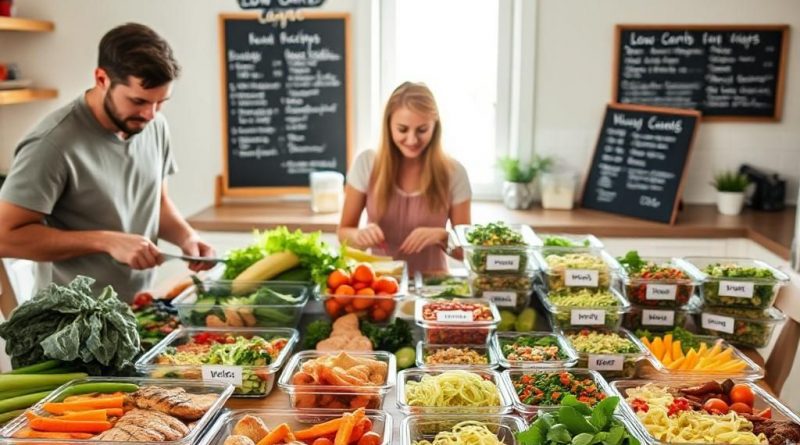
Budget-friendly low-carb meal prep ideas you’ll love.
Budget-Friendly Low-Carb Meal Prep Recipes: Eat Well Without Breaking the Bank
Let’s bust a myth right now: eating low-carb doesn’t have to cost a fortune. In fact, with smart planning, low-carb meal prep can actually save you money compared to eating out or grabbing processed convenience foods. If you’ve been avoiding low-carb diets because you think they’re too expensive, this guide is for you. I’ll show you exactly how to create delicious, satisfying low-carb meals that won’t drain your wallet—plus the meal prep strategies that make it sustainable long-term.
Why Low-Carb Doesn't Have to Break the Bank
The misconception that low-carb eating is expensive usually comes from focusing too much on specialty products and expensive cuts of meat. But the truth? The most affordable foods happen to be naturally low in carbs: eggs, canned fish, ground meats, seasonal vegetables, and legumes.
According to Diet Doctor's budget-friendly meal research, keeping meals simple is key to staying on budget without sacrificing flavor. Think tuna casserole, chicken wings, or hamburger gratin—dishes that make excellent lunch boxes and save you money compared to eating out.
The real savings come from meal prepping. When you plan and prepare your low-carb meals in advance, you avoid impulse purchases, reduce food waste, and eliminate those expensive "I don't know what to eat" takeout orders.
Essential Budget-Friendly Low-Carb Staples
Before diving into recipes, let’s talk about your shopping list. These affordable low-carb staples form the foundation of budget-friendly meal prep:
Proteins:
- Eggs: The ultimate budget protein.
- Canned tuna and salmon: Great for salads or casseroles.
- Ground turkey or chicken: Versatile and economical.
- Chicken thighs: Cheaper than breasts and flavorful.
- Beans and lentils: Yes, they’re low-carb in moderation!
Vegetables:
- Cabbage: Versatile and lasts for weeks.
- Broccoli: Nutrient-dense and filling.
- Zucchini: Perfect for noodles or stir-fries.
- Cauliflower: Fresh or frozen, a fantastic low-carb alternative.
- Spinach and other leafy greens: Great for salads and cooking.
- Bell peppers: Adds color and flavor to dishes.
Pantry Items:
- Olive oil: Essential for cooking and dressings.
- Vinegar: For homemade dressings.
- Spices and herbs: They build flavor without carbs.
- Canned tomatoes: Useful for sauces and soups.
- Mustard and hot sauce: For an extra kick.
Pro tip: Buy frozen vegetables when fresh options are expensive or out of season. They’re just as nutritious and often more affordable.
5 Common Low-Carb Meal Prep Mistakes (and How to Fix Them)
Even with the best intentions, many people sabotage their low-carb meal prep efforts. Here’s how to avoid these pitfalls:
Mistake 1: Skipping Vegetables
Many people focus so much on protein they forget vegetables—the most affordable part of your low-carb plate! Non-starchy veggies are low in carbs, high in fiber, and packed with nutrients.
Fix: Fill half your plate with low-carb vegetables. As CleanEatz Kitchen recommends, "Don’t skip non-starchy veggies—they’re your secret weapon for staying full and getting essential nutrients without breaking your carb budget."
Mistake 2: Poor Protein Management
Too much protein can disrupt ketosis; too little can lead to muscle loss. And buying expensive cuts consistently will drain your wallet.
Fix: Stick with affordable proteins like eggs, ground meats, and chicken thighs. Aim for 4-6 ounces per meal—about the size of a deck of cards. Batch cook proteins at the beginning of the week to save time.
Mistake 3: Missing Healthy Fats
Fats are your main energy source on low-carb diets, but expensive specialty oils and avocado every day add up quickly.
Fix: Use affordable healthy fats like olive oil, avocado oil, and the natural fats in your proteins. Add a tablespoon of oil to your cooking instead of buying pre-made dressings.
Mistake 4: No Meal Prep Strategy
Winging it leads to wasted food and expensive last-minute decisions.
Fix: As Aaptiv points out, "Calculate the number of meals you’re making as well as the serving size of each component before you start cooking." This prevents waste and ensures consistent portions.
Mistake 5: Wrong Portion Sizes
Even low-carb foods can stall progress if overeaten, and oversized portions waste money.
Fix: Use visual cues for portions. Protein should be about the size of your palm, fats about the size of your thumb, and non-starchy vegetables can be plentiful.
Your Step-by-Step Guide to Budget-Friendly Low-Carb Meal Prep
Follow this simple process every Sunday (or your preferred prep day) to set yourself up for low-carb success all week:
Step 1: Plan Your Weekly Menu
Choose 3-4 main recipes that share ingredients to minimize waste. For example, if you buy a head of cauliflower, plan to use it in multiple meals—cauliflower rice for one dinner, roasted florets for another.
Step 2: Create a Smart Shopping List
Organize your list by grocery store sections to save time and avoid impulse buys. Stick to your list—no exceptions!
Step 3: Batch Cook Proteins and Veggies
Cook all your proteins at once. Roast multiple sheet pans of vegetables. Make a big batch of cauliflower rice. This "cook once, eat multiple times" approach saves significant time.
Step 4: Use Smart Substitutions
As BudgetBytes demonstrates, simple swaps make traditional recipes low-carb and budget-friendly:
- Use cauliflower rice instead of regular rice.
- Opt for zucchini noodles in place of pasta.
- Wrap fillings in lettuce instead of tortillas.
- Swap potatoes with cauliflower for "mashed potatoes."
Step 5: Proper Storage Techniques
Store components separately for maximum freshness. Keep dressings and sauces in small containers to add just before eating. Most prepped meals will stay fresh for 3-5 days in the refrigerator.
7 Budget-Friendly Low-Carb Meal Prep Recipes
Here are seven affordable, easy-to-prep recipes that form the backbone of a week’s worth of low-carb meals:
1. Taco Beef Bowls with Cauliflower Rice
Ingredients: 1 lb ground beef, 2 tbsp taco seasoning, 1 head cauliflower (riced), 1 can black beans (optional), 1 cup salsa, toppings of choice
Prep: Brown beef with taco seasoning. Rice cauliflower (or buy pre-riced). Portion into containers with beef, cauliflower rice, black beans, and salsa. Add fresh toppings when serving.
Cost per serving: ~$2.50
2. Chicken and Vegetable Stir Fry
Ingredients: 1.5 lbs chicken thighs (cut into chunks), 3 cups mixed vegetables (broccoli, bell peppers, snap peas), 3 tbsp soy sauce or tamari, 1 tbsp sesame oil, 2 cloves garlic
Prep: Cook chicken in sesame oil until done. Add vegetables and stir-fry until crisp-tender. Add soy sauce and garlic. Portion into containers.
Cost per serving: ~$2.75
3. Greek Turkey Meatballs with Zucchini Noodles
Ingredients: 1 lb ground turkey, 1 egg, 1/4 cup grated parmesan, 1 tsp dried oregano, 2 medium zucchinis, 1 cup marinara sauce (check carb count)
Prep: Mix turkey, egg, parmesan, and oregano. Form into meatballs and bake at 400°F for 20 minutes. Spiralize zucchini. Portion meatballs with zoodles and sauce.
Cost per serving: ~$3.00
4. White Bean and Sausage Skillet
Ingredients: 1 lb smoked sausage (sliced), 2 cups white beans, 2 cups spinach, 1 onion (diced), 2 cloves garlic
Prep: Brown sausage, then add onion and garlic. Stir in beans and spinach until wilted. Portion into containers.
Cost per serving: ~$2.25
5. Low-Carb Breakfast Egg Muffins
Ingredients: 8 eggs, 1 cup spinach (chopped), 1/2 cup diced bell peppers, 1/4 cup feta cheese, salt and pepper
Prep: Whisk eggs with veggies and cheese. Pour into greased muffin tin. Bake at 350°F for 20 minutes. Store in refrigerator.
Cost per serving (2 muffins): ~$0.75
6. Lentil and Vegetable Soup
Ingredients: 1 cup dried lentils, 4 cups vegetable broth, 2 cups mixed vegetables (carrots, celery, zucchini), 1 can diced tomatoes, 2 cloves garlic
Prep: Sauté garlic and vegetables. Add lentils, broth, and tomatoes. Simmer until lentils are tender. Portion into containers.
Cost per serving: ~$1.50
7. Salmon and Roasted Broccoli
Ingredients: 4 salmon fillets, 2 large heads broccoli, 2 tbsp olive oil, lemon wedges, garlic powder
Prep: Toss broccoli with olive oil and roast at 400°F for 20 minutes. Season salmon and bake alongside broccoli for 12-15 minutes. Portion into containers.
Cost per serving: ~$3.50 (salmon is pricier but worth it for omega-3s—sub canned tuna when budget is tight)
Smart Swaps to Keep Costs Down
The key to budget-friendly low-carb eating is knowing which simple substitutions deliver maximum savings:
- Cauliflower rice instead of regular rice (saves $1-2 per serving)
- Zucchini noodles instead of pasta (saves $2-3 per serving)
- Lettuce wraps instead of tortillas (saves $0.50-1 per serving)
- Eggs as your primary protein source (cheapest complete protein available)
- Canned fish instead of fresh (saves 50-75%)
- Frozen vegetables when fresh are expensive (often same nutrition at lower cost)
Sweet Peas and Saffron notes that these swaps aren’t just budget-friendly—they’re also "veggie-heavy with ample protein" to keep you full and satisfied.
Meal Prep Containers and Storage Tips
Using the right containers makes or breaks your meal prep success. Here’s what works best:
- Glass containers with locking lids (they don’t stain and are microwave-safe)
- Mason jars for salads (dressing on bottom, then proteins, then greens on top)
- Small containers for dressings and sauces
- Freezer bags for batch-cooked proteins
Storage Tips:
- Keep dressings separate until ready to eat.
- Store cooked proteins and vegetables separately for maximum freshness.
- Most prepped meals last 3-5 days in the refrigerator.
- Freeze portions you won’t eat within 4 days.
- Label everything with contents and date.
As Palm South Beach Diet points out, "Choosing the right containers is essential when it comes to having the best meal prep experience." Don’t use warped containers with mismatched lids—they lead to frustration and food waste.
FAQs About Budget-Friendly Low-Carb Meal Prep
Q: How do I start low-carb meal prep on a tight budget?
A: Begin with just 2-3 recipes that share ingredients. Focus on affordable proteins like eggs and ground meat, and load up on seasonal vegetables. Start small—prepping just lunches for the week is a great beginning.
Q: What are the cheapest low-carb vegetables?
A: Cabbage, cauliflower, broccoli, zucchini, and spinach are typically the most affordable year-round. Buy in-season produce when possible for even better prices.
Q: How can I keep my low-carb meals interesting without spending more?
A: As Aaptiv suggests, try "swapping the protein from chicken to turkey,” “switching up the herbs and spices,” or “a new carb source such as quinoa instead of brown rice.” Small changes keep meals exciting without increasing costs.
Q: Are beans really low-carb enough for meal prep?
A: Yes, in moderation! White beans, lentils, and black beans have fiber that offsets their carb count. BudgetBytes includes several bean-based low-carb recipes that prove you don’t have to eliminate legumes entirely.
Q: How do I avoid getting bored with the same meals all week?
A: Prep components separately rather than full meals. Mix and match proteins, vegetables, and sauces throughout the week. One batch of roasted vegetables can become three different meals with different seasonings.
Meal Prep Containers and Storage Tips
Using the right containers makes or breaks your meal prep success. Here are some practical tips on selecting the best types of containers for low-carb meal prep:
Best Containers for Low-Carb Meal Prep
- Glass containers: These are durable, microwave-safe, and won’t stain or absorb odors. Look for ones with locking lids to prevent spills.
- Mason jars: Ideal for layering salads. Put the dressing at the bottom, followed by proteins, grains (if using), and then greens on top to keep everything fresh until you’re ready to eat.
- Small containers: Use these for portioning out dressings and dipping sauces. This will help you control calories and keep your meals low-carb.
- Freezer bags: Great for batch-cooked proteins; just label them with the date and contents. They save space and can be laid flat in the freezer for easy storage.
Storage Tips
- Keep dressings separate until ready to eat to avoid soggy salads.
- Store cooked proteins and vegetables separately for maximum freshness. This method allows you to mix and match throughout the week.
- Most prepped meals will last 3-5 days in the refrigerator. Utilize freezer bags for items you won’t consume within this period to reduce waste.
- Label everything with the contents and a date so you can keep track of freshness.
As Palm South Beach Diet points out, choosing the right containers is essential for an effective meal prep experience. Avoid warped containers with mismatched lids—they lead to frustration and food waste!
7 Budget-Friendly Low-Carb Meal Prep Recipes
Now that you're set for meal prep, let’s dive into some delicious recipes that fit perfectly into your budget and low-carb lifestyle. These recipes not only save you money but also ensure you're getting the nutrients you need without breaking the bank.
1. Taco Beef Bowls with Cauliflower Rice
Ingredients: 1 lb ground beef, 2 tbsp taco seasoning, 1 head cauliflower (riced), 1 can black beans (optional), 1 cup salsa, toppings of choice.
Prep: Brown the beef with taco seasoning in a skillet. While that’s cooking, rice the cauliflower (or buy pre-riced). Portion the beef and cauliflower rice into meal prep containers and top with beans and salsa. Add fresh toppings when you’re ready to eat.
Cost per serving: ~$2.50
2. Chicken and Vegetable Stir Fry
Ingredients: 1.5 lbs chicken thighs (cut into chunks), 3 cups mixed vegetables (broccoli, bell peppers, snap peas), 3 tbsp soy sauce or tamari, 1 tbsp sesame oil, 2 cloves garlic.
Prep: In a large pan, heat sesame oil and cook chicken until golden brown. Add mixed vegetables and stir-fry until crisp-tender. Pour in soy sauce and minced garlic just before removing from heat. Portion into meal prep containers.
Cost per serving: ~$2.75
3. Greek Turkey Meatballs with Zucchini Noodles
Ingredients: 1 lb ground turkey, 1 egg, 1/4 cup grated parmesan, 1 tsp dried oregano, 2 medium zucchinis, 1 cup marinara sauce (check carb count).
Prep: Preheat oven to 400°F. In a mixing bowl, combine the turkey, egg, parmesan, and oregano. Form into meatballs and place on a baking sheet; bake for about 20 minutes. Spiralize the zucchini and set aside. Portion the meatballs over zoodles and add marinara sauce when serving.
Cost per serving: ~$3.00
4. White Bean and Sausage Skillet
Ingredients: 1 lb smoked sausage (sliced), 2 cups white beans, 2 cups spinach, 1 onion (diced), 2 cloves garlic.
Prep: In a large skillet, brown the sausage. Add diced onion and garlic, cooking until translucent. Stir in the white beans and spinach until the spinach wilts. Portion into containers for later meals.
Cost per serving: ~$2.25
5. Low-Carb Breakfast Egg Muffins
Ingredients: 8 eggs, 1 cup spinach (chopped), 1/2 cup diced bell peppers, 1/4 cup feta cheese, salt and pepper.
Prep: Preheat the oven to 350°F. Whisk together the eggs with the vegetables and feta. Pour the mixture into a greased muffin tin and bake for about 20 minutes. These can be stored in the refrigerator for quick breakfasts.
Cost per serving (2 muffins): ~$0.75
6. Lentil and Vegetable Soup
Ingredients: 1 cup dried lentils, 4 cups vegetable broth, 2 cups mixed vegetables (carrots, celery, zucchini), 1 can diced tomatoes, 2 cloves garlic.
Prep: In a large pot, sauté garlic and vegetables until soft. Add lentils, broth, and diced tomatoes. Bring to a boil and let simmer for 25-30 minutes. Portion into containers for easy servings throughout the week.
Cost per serving: ~$1.50
7. Salmon and Roasted Broccoli
Ingredients: 4 salmon fillets, 2 large heads of broccoli, 2 tbsp olive oil, lemon wedges, garlic powder.
Prep: Toss broccoli with olive oil, salt, and garlic powder, then roast in an oven at 400°F for 20 minutes. Season salmon fillets and bake them alongside the broccoli for 12-15 minutes. Portion into containers, serve with lemon wedges for flavor.
Cost per serving: ~$3.50 (salmon is pricier but worth it for omega-3s; substitute canned tuna when on a tighter budget).
Smart Swaps to Keep Costs Down
The key to budget-friendly low-carb eating is knowing which simple substitutions deliver maximum savings. Here are a few to consider:
- Cauliflower rice: A cost-effective alternative to rice that is low in carbs.
- Zucchini noodles: Perfect for substituting traditional pasta; much lower in carbs and adds fiber.
- Lettuce wraps: Use these instead of tortillas to save on carbs and calories.
- Eggs: An affordable source of complete protein. They’re incredibly versatile—boil, scramble, or bake.
- Canned fish: Usually cheaper than fresh and packed with omega-3s; use in salads, wraps, or as a main dish.
- Frozen vegetables: Less expensive than fresh when out of season and often just as nutritious.
As Sweet Peas and Saffron notes, these swaps aren't just budget-friendly—they're also "veggie-heavy with ample protein" to keep you full and satisfied.
FAQs About Budget-Friendly Low-Carb Meal Prep
How do I start low-carb meal prep on a tight budget?
Begin with just a few recipes that share ingredients. Prioritize affordable proteins like eggs and ground meat, and load up on seasonal vegetables. Start small by prepping lunches for the week as a great beginning.
What are the cheapest low-carb vegetables?
Cabbage, cauliflower, broccoli, zucchini, and spinach are generally the most affordable options year-round. Purchasing in-season produce further helps you save on costs.
How can I keep my low-carb meals interesting without spending more?
Change things up by swapping proteins (like chicken to turkey), altering herbs and spices, or trying new carb sources such as quinoa instead of brown rice. Small variations keep meals exciting without ramping up expenses.
Are beans really low-carb enough for meal prep?
Yes, in moderation! Varieties like white beans, lentils, and black beans have fiber that offsets their carb count, making them viable choices for your meal prep.
How do I avoid getting bored with the same meals all week?
Prep components separately instead of full meals. This allows you to mix and match proteins, vegetables, and sauces throughout the week, ensuring variety and keeping your palate engaged.
Remember, with the right approach, you can enjoy a low-carb lifestyle that is not only delicious but also budget-friendly. The key lies in planning, making smart ingredient choices, and having fun with your meal prep!