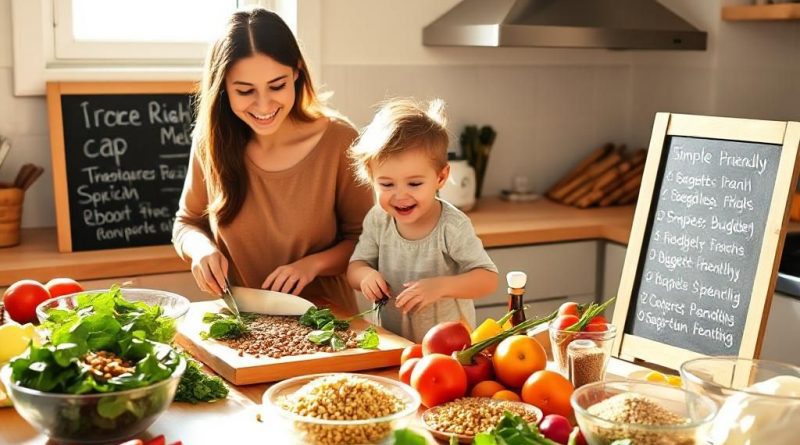
Boost Your Postpartum Health with Iron-Rich Meal Prep.
Postpartum Meal Prep: Your Iron-Rich Recovery Roadmap
If you're navigating the beautiful chaos of new motherhood, you've probably noticed that your energy levels aren't quite what they used to be. That's where strategic postpartum meal prep with iron-rich foods comes in—a game-changer for your recovery. After childbirth, your body is working overtime to heal, and iron is one of the most critical nutrients you need to replenish. In this guide, you'll discover exactly how to meal prep iron-rich foods that actually fit into your newborn's unpredictable schedule, help combat fatigue, and support your overall recovery. Let's transform your fourth trimester nutrition from an afterthought to your secret weapon.
Why Iron Matters More Than Ever After Giving Birth
During pregnancy and delivery, your iron stores take a serious hit. The average woman loses about 500 milliliters of blood during a vaginal delivery (and even more with a C-section), which directly impacts your iron levels. As Baby2Body explains, "Pregnancy can deplete iron stores, so it's important these stores are replenished postpartum."
Low iron leads to low energy—something you can't afford when you're caring for a newborn. Iron is essential for:
- Oxygen transport throughout your body
- Energy production at the cellular level
- Supporting your immune system
- Maintaining healthy hair, nails, and skin
Without adequate iron, you might experience:
- Persistent fatigue that sleep doesn’t fix
- Difficulty concentrating ("mom brain" on steroids)
- Shortness of breath during simple tasks
- Pale skin and brittle nails
The good news? Strategic meal prep focused on iron-rich foods can significantly speed your recovery. As Michigan Family Doulas notes, "Iron-rich meals are crucial for postpartum recovery, especially if you experienced significant blood loss during delivery."
The Iron Equation: Heme vs. Non-Heme Iron
Not all iron is created equal. Understanding the two types will help you maximize your meal prep:
Heme iron (from animal sources):
- Found in red meat, poultry, and fish
- Absorbed at a rate of 15-35%
- More readily available to your body
- Examples: lean beef, chicken, turkey, salmon, sardines
Non-heme iron (from plant sources):
- Found in legumes, leafy greens, and fortified grains
- Absorbed at a rate of 2-20%
- Requires vitamin C for optimal absorption
- Examples: lentils, spinach, tofu, quinoa, fortified cereals
For new moms following plant-based diets, this distinction is crucial. Ready Set Grow Nutrition emphasizes: "If you follow a plant-based diet, pair iron-rich foods with vitamin C sources to enhance absorption." This means adding lemon juice to your spinach salad or having orange slices with your lentil soup.
Your Postpartum Iron Needs: How Much Is Enough?
The Recommended Dietary Allowance (RDA) for iron jumps significantly after childbirth:
- Non-pregnant women: 18 mg/day
- Pregnant women: 27 mg/day
- Breastfeeding women: 9-10 mg/day
- Women with significant blood loss: Up to 27 mg/day
Wait—why does the requirement drop if you're breastfeeding? Because you're not menstruating, which conserves iron. However, if you experienced heavy bleeding during delivery or have symptoms of anemia, your needs may be higher.
The American College of Obstetricians and Gynecologists recommends:
- Getting iron primarily from food sources
- Considering supplements only if blood tests confirm deficiency
- Continuing prenatal vitamins for at least 6 weeks postpartum
The Ultimate Iron-Rich Pantry: Stocking Your Kitchen
Before diving into meal prep, stock these iron-rich staples:
Protein Powerhouses:
- Lean ground beef or turkey
- Canned tuna or salmon
- Chicken thighs (dark meat has more iron)
- Lentils and beans (black, kidney, chickpeas)
- Tofu and tempeh
Iron-Boosting Produce:
- Spinach and Swiss chard
- Broccoli and sweet potatoes
- Bell peppers (for vitamin C pairing)
- Tomatoes (canned or fresh)
Smart Carbs:
- Quinoa (a complete protein)
- Brown rice
- Oats (iron-fortified)
- Whole grain bread
Flavor Enhancers:
- Lemon juice (vitamin C booster)
- Tomato paste (iron + vitamin C)
- Pumpkin seeds (iron-rich snack)
- Dark chocolate (70%+ for iron)
Ready Set Grow Nutrition suggests keeping "peanut butter [which is] rich in protein, choline, and a source of iron" on hand—it's a quick, easy, and super nutritious food you can easily incorporate postpartum.
Meal Prep Magic: Iron-Rich Recipes That Actually Work for New Moms
The key to successful postpartum meal prep? Recipes that can be made in under 30 minutes, freeze well, and require minimal cleanup. Here are my top picks from dietitian-approved sources:
1. The 25-Minute Burrito Bowl (Makes 2 servings)
Why it works: Combines heme iron (beef) with vitamin C (bell peppers, lime), plus fiber-rich beans.
Ingredients:
- 8 oz lean ground beef
- 1 can black beans, rinsed
- ½ cup uncooked brown rice
- 2 bell peppers, sliced
- 1 red onion, diced
- 1 lime
- 1 Tbsp Mexican seasoning
- 2 cups romaine lettuce
- Toppings: avocado, salsa, cilantro
Prep:
- Cook rice according to package instructions.
- Sauté onions and peppers until tender.
- Brown beef with seasoning.
- Mix beans with cooked veggies.
- Assemble bowls with rice, meat mixture, and toppings.
Pro tip: Double the recipe and store portions in containers for quick reheating.
2. One-Pan Spinach & Feta Frittata (Makes 4 servings)
Why it works: Eggs provide heme iron while spinach adds non-heme iron—perfect for breakfast or dinner.
Ingredients:
- 8 large eggs
- ¼ cup milk
- 4 cups fresh spinach
- ½ cup crumbled feta
- 1 small onion, diced
- 2 garlic cloves, minced
- Olive oil
Prep:
- Sauté onions and garlic in olive oil.
- Add spinach until wilted.
- Whisk eggs with milk, salt, and pepper.
- Pour over veggies in oven-safe skillet.
- Sprinkle with feta and bake at 375°F for 15-20 minutes.
Meal prep hack: Slice into portions and freeze individual servings. Reheat in the microwave for 90 seconds.
3. Weeknight Veggie Chili (Makes 4 servings)
Why it works: Packed with plant-based iron from beans and quinoa, plus vitamin C from tomatoes.
Ingredients:
- 1 onion, diced
- 2 garlic cloves, minced
- 2 bell peppers, chopped
- 2 cans chopped tomatoes
- 1 can each: kidney beans, black beans
- ½ cup uncooked quinoa
- 2 Tbsp chili powder
- 1 cup vegetable stock
Prep:
- Sauté onions, garlic, and chili powder.
- Add peppers and cook until softened.
- Stir in tomatoes, beans, quinoa, and stock.
- Simmer covered for 45 minutes.
- Garnish with avocado or cheese.
Freezer-friendly: This chili tastes even better the next day and freezes beautifully for up to 3 months.
Smart Pairings: Boosting Iron Absorption Like a Pro
Knowing what to pair with your iron-rich foods makes all the difference. Here's how to maximize absorption:
Vitamin C Power Combos:
- Beef stir-fry with bell peppers and broccoli
- Lentil soup with tomatoes
- Spinach salad with orange slices
- Tuna sandwich on whole wheat with tomato
Avoid These Iron Blockers:
- Tea and coffee within 1 hour of iron-rich meals (tannins reduce absorption)
- Calcium supplements taken with iron-rich meals
- High-fiber meals immediately after iron supplements
BBC Good Food notes that their "Zingy teriyaki beef skewers" are "rich in folate, fibre, iron and vitamin C, plus 3 of your 5-a-day"—a perfect example of strategic nutrient pairing.
For plant-based moms, Haven Women's Health Center recommends "stewed fruits with nut topping" which supports digestion while providing iron from nuts and vitamin C from fruits.
Common Postpartum Meal Prep Mistakes (and How to Avoid Them)
Even with the best intentions, new moms often fall into these traps:
1. Overcomplicating recipes
The fix: Stick to 5-ingredient meals like the "Easy Burrito Bowl" from Baby2Body. As Michigan Family Doulas states, "It takes about 10 minutes of prep, making it an ideal choice for the busy postpartum household."
2. Ignoring iron timing
The fix: Eat your most iron-rich meal when you have the most energy (usually morning). Save simpler meals for evening when you're more exhausted.
3. Forgetting snacks
The fix: Prep iron-rich snacks like:
- Hard-boiled eggs with wholegrain crackers
- Trail mix with dried apricots and pumpkin seeds
- Peanut butter on whole wheat toast
4. Not prepping in advance
The fix: Dedicate 2 hours weekly to:
- Cook a big batch of quinoa or brown rice
- Roast sweet potatoes and veggies
- Portion proteins into freezer bags
Begin With Balance emphasizes that "iron-rich foods, including lean meats, beans, nuts, leafy greens, and dried fruits, are also important for healing, especially if you experienced blood loss."
With your kitchen equipped and a clear understanding of your iron needs, you're well on your way to an effective postpartum meal prep strategy that will empower both you and your recovery journey as a new mom.
FAQs: Your Iron-Rich Postpartum Questions, Answered
Q: How soon after delivery should I focus on iron-rich foods?
A: Start immediately! Your body begins recovery the moment you give birth. Even in the hospital, ask for iron-rich options like lean meat and spinach.
Q: Can I get enough iron just from food?
A: Yes, if you’re strategic. Focus on combining heme and non-heme sources throughout the day. If your levels are critically low, your provider may recommend supplements.
Q: How long does it take to replenish iron stores?
A: Typically 3-6 months with proper nutrition. Consistent meal prep is key—your iron levels won’t bounce back from one good meal.
Q: What are quick iron-rich snacks for busy new moms?
A: Try these 5-minute options:
- Avocado egg salad on whole grain bread
- Greek yogurt with iron-fortified cereal
- Hummus with red pepper slices
- Dark chocolate (70%+) with almonds
Q: Are there vegetarian iron-rich meal prep options?
A: Absolutely! BBC Good Food’s “Spinach, sweet potato & lentil dhal” is “a comforting vegan one-pot recipe that counts for 3 of your 5-a-day!” Pair it with lemon wedges for maximum absorption.
Your Iron-Rich Postpartum Action Plan
Your fourth trimester deserves the same careful planning as your pregnancy. By focusing on iron-rich meal prep, you’re not just eating—you’re actively healing.
Start small this week:
- Pick ONE iron-rich recipe to try (the burrito bowl is my top recommendation).
- Prep two servings—one for now, one for the freezer.
- Add a vitamin C source to every iron-rich meal.
- Notice how you feel after 3 days of consistent iron intake.
Remember what Ready Set Grow Nutrition wisely notes: “Iron stores are depleted during pregnancy and need to be replenished postpartum.” This isn’t just about nutrition—it’s about giving yourself the energy to fully embrace motherhood.
Meal Prep Strategies for New Moms
Meal prepping can seem daunting when you’re adjusting to life with a newborn, but with a few strategies in place, you can make it manageable and effective. Here are some tips tailored for busy new moms:
1. Plan Ahead
Dedicate time each week (ideally on weekends) to plan your meals. Use a simple template to map out your meals for the week—include breakfast, lunch, dinner, and snacks. Having a clear plan reduces stress and makes shopping easier.
2. Batch Cook
Choose one or two days a week for batch cooking. Prepare larger quantities of recipes like soups, stews, or grain bowls. Divide into.single-serving containers to grab when you’re short on time.
3. Utilize Freezer Space
Freezing is your friend. Foods like frittatas, burrito bowls, and veggie chili freeze exceptionally well. Label each item with the date and contents to keep track.
4. Incorporate Family Favorites
Adapt family recipes to be iron-rich. For example, if you love chili, add in some lentils or beans, and use ground turkey instead of higher-fat meats. Make it a family affair; involve your partner or older kids in the cooking process!
5. Snack Smart
Don’t forget about snacks. Iron-rich snacks can help bridge the gap between meals and keep your energy level up. Prepare snacks like:
- Homemade trail mix with pumpkin seeds, nuts, and dried fruit
- Energy bites made from oats, nut butter, and dark chocolate chips
- Roasted chickpeas with your favorite seasonings
Supporting Your Body Postpartum
In addition to iron-rich foods, certain lifestyle factors also contribute to a successful postpartum recovery:
Hydration
Staying hydrated is crucial for your overall health and can also aid in nutrient absorption. Aim for 8-10 glasses of water a day, and consider herbal teas that are safe for breastfeeding.
Mindfulness
Your mental well-being matters just as much as your physical health. Take time for yourself, even if it’s just a few minutes a day. This can be as simple as enjoying a cup of tea in silence or taking a quick walk outside.
Social Connections
Engage with fellow new moms, whether through social media groups, local mother-baby meetups, or even virtual chats. Sharing experiences can provide emotional support and tips on managing postpartum challenges.
As you embark on this journey of postpartum nutrition, remember that every choice counts. Each meal, each snack, and each moment of self-care contributes to your overall recovery and well-being. With thoughtful meal prep focused on iron-rich foods, you’re setting the stage for a healthier, energized version of yourself—ready to tackle the beautiful adventure of motherhood.
Conclusion: Celebrate Progress, Not Perfection
As you adjust to life as a new mom, it’s essential to recognize that every small step you take in nourishing your body is a victory. Meal prep doesn’t have to be perfect; it just has to be practical and suit your lifestyle.
Embrace the journey of postpartum recovery, armed with the knowledge of how to boost your iron levels. You’re not alone in this—by prioritizing your nutrition, you’re also prioritizing your family’s well-being.
To delve deeper into meal planning and explore even more meal prep ideas, check out this guide for inspiration and tips that go beyond postpartum recovery!