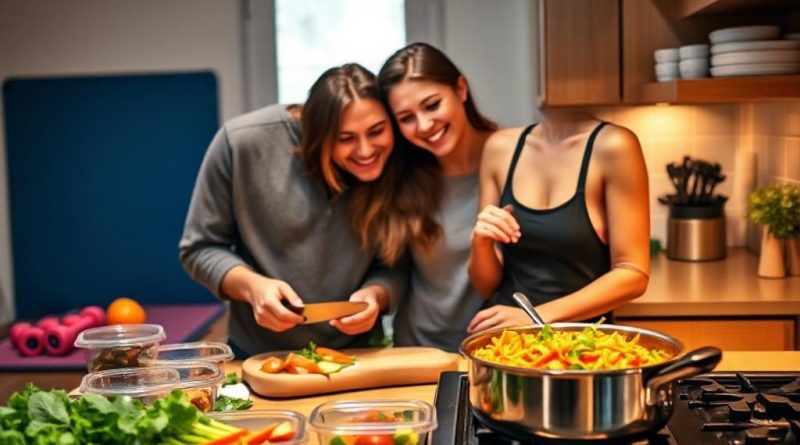
Boost Nutrition When Cooking for Two: Tips You Need.
How to Maximize Nutrition When Cooking for Two: Your Complete Guide to Healthier Meals Without the Waste
Cooking for two can present unique challenges. You want to enjoy balanced, nutritious meals, but you also have to manage portion sizes, ingredient waste, and the occasional temptation to opt for convenience over health. Yet, there is a hidden gem in cooking for two: the opportunity to optimize every meal, making it not just healthier, but also more enjoyable and resource-efficient.
Research indicates that people who frequently cook at home tend to consume fewer calories, consume more nutritious foods, and enjoy better health overall. By focusing on nutrition when cooking for just two, you can maximize flavor, minimize waste, and enjoy the benefits of meal creativity that may be lost when cooking for larger crowds.
This comprehensive guide delves into practical strategies for maximizing nutrition while cooking for two. From meal planning and recipe adaptations to shopping smart and reducing waste, we’ll cover everything you need to transform your kitchen into a nutrition powerhouse for two.
Understanding Balanced Nutrition for Two People
To start maximizing nutrition, it's crucial to understand what balanced nutrition looks like for two people. It's not just about choosing the right foods; it’s about knowing how to portion them effectively.
The Plate Method (Perfect for Two)
A great tool for creating balanced meals is the Plate Method recommended by the USDA. For two people, consider this guideline:
- Half your plate should be filled with colorful fruits and vegetables. Aim for variety to ensure a range of nutrients—think of it as “eating the rainbow.”
- One quarter of the plate should be allocated to protein sources, providing important building blocks for cells and tissues.
- The last quarter should be reserved for whole grains or starchy vegetables, offering necessary carbohydrates and energy.
Translating this into practical terms for two individuals, consider:
- Each person should aim for about 2 cups of mixed vegetables.
- Include 3 to 4 ounces of protein per person, which is roughly the size of a deck of cards.
- A serving of whole grains should be around ½ to 1 cup per person.
Key Nutrients to Prioritize
When planning meals for two, it’s essential to focus on nutrients that are often lacking in the average diet. Here are some key nutrients to prioritize:
- Fiber: Aim for 25-30 grams per day from fruits, vegetables, and whole grains.
- Calcium: Include foods like low-fat dairy or fortified plant alternatives to meet calcium needs.
- Vitamin D: Choose fatty fish, egg yolks, and fortified foods to stay within the recommended intake.
- Potassium: Incorporate foods like bananas, sweet potatoes, and leafy greens.
- Omega-3 Fatty Acids: These can be obtained from fatty fish, walnuts, and flaxseeds.
Smart Meal Planning Strategies That Actually Work
The secret to nutritional success when cooking for two often lies in the planning phase—not just in the cooking itself. Here’s how to effectively plan your meals.
The Weekly Planning Framework
- Inventory Check: Take stock of what you already have in your pantry and fridge. This helps you utilize ingredients that need to be consumed soon, preventing waste.
- Theme Nights: Assign simple, themed nights like "Taco Tuesday" or "Meatless Monday" to keep things interesting without decision fatigue.
- Ingredient Overlap: Create meals that share core ingredients. For example, a roasted chicken dinner can provide leftovers for salads and soups for the following days.
- Flex Meals: Introduce one or two "flex meals" each week to account for leftovers or spontaneous culinary choices.
The 3-2-1 Meal Formula
This equation helps ensure you’re creating balanced plates effortlessly:
- 3 parts vegetables (different colors for diversity)
- 2 parts protein (can be plant-based or animal-based)
- 1 part whole grain or starchy vegetable
For example, if you're preparing dinner, consider making a plate with:
- 1½ cups of roasted mixed vegetables (3 parts)
- 3 ounces of grilled chicken (2 parts)
- ½ cup of quinoa (1 part)
Recipe Adaptation: Cooking for Two Without the Guesswork
Most traditional recipes are designed for 4 to 6 servings, making it a challenge to scale them down effectively. Here’s how to adapt recipes while keeping nutrition in focus.
The Scaling-Down Cheat Sheet
| Original Recipe | For Two People | Key Adjustments |
|---|---|---|
| 4-6 servings | 2 servings | Cut all ingredients in half |
| Liquid ingredients | Reduce by 30-40% | Liquids don’t scale down linearly |
| Spices & seasonings | Reduce by about 30-40% | Adjust to taste at the end |
| Baking powder/soda | Cut by 25% | Necessary for proper rising |
| Cooking time | Reduce by 15-25% | Always check for doneness earlier |
Common Scaling Mistakes to Avoid
It’s easy to make mistakes when adjusting recipes:
- Over-reducing liquids can lead to thick soups or sauces that lack flavor.
- Under-seasoning can make meals taste bland—smaller quantities still need intense flavor.
- Choosing the wrong pan size can lead to uneven cooking; choose pans that match your reduced ingredient amounts.
- Neglecting cooking methods: Some methods work better in smaller batches, such as baking vs. stovetop cooking.
As a handy tip, keep a small notebook dedicated to logging your adaptations and notes on what worked or didn’t; it will be beneficial for future cooking sessions.
Smart Shopping for Two: Getting Maximum Nutrition Per Dollar
Shopping appropriately is vital for sustaining a nutritious eating plan when cooking for two. Here’s how to maximize your grocery run:
The Two-Person Grocery List Framework
Priority Proteins:
- Frozen fish fillets that are individually wrapped for convenience.
- Canned beans and lentils (look for low-sodium options).
- Eggs, a great source of protein.
- Small packages of lean meats (consider freezing half immediately).
- Tofu, which can also be frozen to extend its longevity.
Selecting Vegetables:
- Pre-cut frozen vegetables are great for convenience without added sauces.
- Fresh leafy greens (opt for smaller containers to reduce waste).
- Root vegetables like carrots have a longer shelf life.
- Cherry tomatoes minimize waste in comparison to full-sized ones.
- Bell peppers can be used gradually, one at a time.
Grains & Carbs:
- Seek out microwaveable whole grain pouches that save cooking time.
- Consider small bags of quinoa or brown rice.
- Whole grain English muffins can be frozen and used as needed.
- Oats are versatile for breakfasts and baking alike.
Pantry Essentials:
- Buy olive oil in smaller bottles to keep it fresh.
- Stock up on different vinegars (like balsamic and apple cider) for variety.
- Look for dried herbs and spices from bulk bins to control costs effectively.
Maximizing Leftovers: The "Cook Once, Eat Twice" Principle
One of the most effective strategies when maximizing nutrition while cooking for two is embracing the concept of leftovers—not merely as an afterthought but as a strategic approach.
Leftover Transformation Techniques
By pairing leftovers with fresh ingredients, you can craft new meals with minimal effort and zero waste:
Savvy Protein Use:
- Cook a whole roasted chicken and transform:
- Dinner 1: Roasted chicken with assorted veggies
- Lunch 2: Chicken salad sandwiches
- Dinner 3: Chicken soup with rice
Clever Grain Uses:
- Cook 1 cup of dry brown rice and reuse:
- Dinner 1: As a side with sautéed greens
- Lunch 2: Mixed into a veggie stir-fry
- Dinner 3: Incorporated into a grain bowl topped with leftover proteins
Ingenious Veggies:
- Roast a sheet pan of mixed vegetables and utilize them:
- Dinner 1: As a side dish
- Lunch 2: Stirred into an omelet
- Dinner 3: Blended into a nutrient-rich soup
By focusing on the "cook once, eat twice" principle, you not only save time but also ensure a diverse range of meals that keep nutritional needs in check.
Freezer Hacks That Preserve Nutrients
Freezing is a fantastic way to maximize resources:
- Use muffin tins to freeze soups, stews, or sauces; once frozen, transfer them to storage bags.
- For a more efficient use of space, employ lay-flat freezer bags to store meal portions.
- Don’t forget to label everything with the date and contents; this helps maintain organization.
- Thaw meats properly by moving them to the fridge a day before or utilizing your microwave’s defrost setting.
By adhering to best practices for freezing, you can maintain the nutritional quality of leftovers—making them just as enjoyable when reheated.
Essential Kitchen Tools for Two-Person Nutrition
You don’t need a sprawling kitchen to create nutritious meals. Here are some essential tools that make cooking for two easier and more efficient:
Must-Have Small-Batch Cooking Tools
- 8-inch skillet: Ideal for preparing individual servings of omelets or stir-fries.
- 3-quart saucepan: Perfect for small batches of soups or grains.
- Toaster oven: Great for minimizing energy use when preparing small portions.
- Air fryer: Excellent for reheating leftovers while keeping them crisp.
- Small food processor: Handy for chopping smaller quantities of vegetables quickly.
- Muffin tins: Useful for portioning meals and freezing them efficiently.
Storage Solutions That Reduce Waste
- Invest in glass containers sized for one to two servings.
- Reusable silicone food covers can replace plastic wrap.
- A vacuum sealer can help prolong the life of frozen items.
- Consider clear freezer bags to optimize space in your freezer.
By building a kitchen equipped with these essentials, you’ll streamline your cooking process, making it easier to create healthy, enjoyable meals for two.
Sample One-Day Meal Plan for Two
Putting these strategies into practice can easily be showcased through a practical meal plan. Here’s a one-day plan to demonstrate how to maximize nutrition while minimizing waste.
Breakfast (serves 2):
- Scrambled eggs (2 per person) with spinach and mushrooms
- Sliced avocado (½ per person)
- Whole-grain English muffin (1 per person)
- Nutrition: Approximately 450 calories, 22g protein, 18g fiber.
Lunch (serves 2):
- Leftover vegetable and bean soup from dinner
- Small side salad with vinaigrette
- Nutrition: About 380 calories, 15g protein, 14g fiber.
Dinner (serves 2):
- Baked salmon (6 ounces total, 3 ounces per person)
- Roasted mixed veggies (2 cups total, roughly 1 cup per person)
- Cooked quinoa (1 cup total, ½ cup per person)
- Nutrition: Roughly 580 calories, 35g protein, 12g fiber.
This example illustrates how to piece together balanced, tasty meals that adhere to nutritional guidelines, supporting an active lifestyle without the hassle of extensive meal preparation.
Incorporating these practices into your routine when cooking for two will empower you to create nutritious meals efficiently, reducing waste and enhancing your overall dining experience. Maintain this approach, and you’ll soon find that cooking for two might just be the easiest path to better nutrition.
Common Mistakes That Sabotage Your Nutrition Goals
While the strategies for maximizing nutrition when cooking for two are straightforward, common pitfalls can derail your efforts. Here are some mistakes to watch out for:
The Perishable Trap
One of the biggest challenges when cooking for two is purchasing perishable items. Many people buy fresh produce in large quantities, only to find it spoiling before they get a chance to eat it. To avoid this trap:
- Opt for pre-cut vegetables in smaller portions to minimize waste.
- Select hardy produce like carrots, cabbage, and squash that have a longer shelf life.
- Incorporate frozen vegetables into your meals, which maintain their nutritional value and have a longer lifespan.
- Plan to consume delicate greens within a few days to ensure freshness and flavor.
The Seasoning Shortfall
Small batches can often end up tasting bland due to improper seasoning. It's important to adjust your approach when scaling down recipes:
- Reduce salt by about 30-40%, but remember smaller portions can still need significant flavor.
- Maintain similar quantities of herbs and spices; they don’t scale linearly and may require adjustments.
- Add acidity, such as lemon juice or vinegar, at the end of cooking to brighten flavors.
- Always taste dishes before serving, allowing for final seasoning adjustments.
The Leftover Limbo
Leftovers can be a boon to meal planning, but they can also become an overlooked source of waste. To combat this:
- Store leftovers in clear, labeled containers at eye level in the fridge for easy access.
- Designate one night a week as “leftover night” to encourage the consumption of stored meals.
- Think creatively about repurposing leftovers; for example, transform roasts into stir-fries or soups.
Frequently Asked Questions
Q: How can I ensure variety in meals without overbuying ingredients?
A: Focus on “ingredient stacking”; choose versatile ingredients that can be used in multiple dishes throughout the week. For example, a package of bell peppers could be incorporated into omelets, stir-fries, salads, and casseroles. That way, you enjoy different meals without excessive food waste.
Q: What’s the best way to freeze cooked meats in two-person portions?
A: Portion cooked meats into 3-4 ounce servings, which is typically a suitable amount for one person’s meal. Wrap tightly in freezer-safe paper or place in vacuum-sealed bags for freshness and label them with the date and contents. Most cooked meats stay usable for about 2-3 months in the freezer.
Q: How do I adjust baking recipes for two instead of a full batch?
A: To halve a baking recipe, use a smaller pan and reduce cooking time by 15-25%. Always check for doneness 10 minutes early to prevent overbaking. If you find yourself baking often, consider making full recipes and freezing portions of baked goods for later enjoyment.
Q: Which nutrient-dense foods should I prioritize when cooking for two?
A: Focus on a variety of foods known for their nutrient density. Examples include leafy greens, berries, fatty fish (like salmon), beans, nuts, seeds, and Greek yogurt. These foods provide excellent nutritional value with minimal risk of waste due to their versatility and longer shelf life.
Your Nutrition-Boosting Action Plan
Maximizing nutrition when cooking for two involves a mix of strategic meal planning and flexible creativity. Start implementing these practices so they become a natural part of your cooking routine:
- Choose one meal planning technique: Whether it be ingredient stacking or the 3-2-1 formula, pick one to focus on this week.
- Adapt a favorite recipe: Select any dish you love and scale it down using the scaling cheat sheet outlined above.
- Experiment with one freezer hack: Implement strategies for freezing meals or portions of ingredients effectively, like muffin tins for soups.
By applying these methods, you not only gain the benefits of healthier, more nutritious meals but also transform the way you think about cooking for two. It becomes not just an exercise in kitchen efficiency, but also a pathway to flourishing nutrition.
As you continue to enhance your culinary skills, keep in mind the benefits of home cooking—less food waste, cost-effective meal prep, and enjoying the physical and mental health benefits of a nutritious diet. With these techniques and tips in place, you are well on your way to mastering the art of cooking for two while prioritizing your health and enjoyment in every bite!
For more meal prep strategies and ideas, check out our article on easy meal prep ideas for busy weeknights.